
Livraison le jour même ou le lendemain

Qualité garantie

Débloquez vos offres de bienvenue: Livraison GRATUITE | Jusqu'à -80 % | 30 jours d'essai gratuits à JoyPlus
Téléchargez l'application
After colouring, hair can quickly lose its brightness, become drier or develop yellow and brassy tones. Choosing a shampoo for coloured hair is not simply a matter of looking for the words ‘colour protection’ on the bottle. You also need to consider the type of colouring, how sensitive your hair is and how often you wash it.
A colour-protecting shampoo is designed to cleanse the hair without accelerating colour fade. An anti-yellow shampoo, also known as a purple shampoo, has a different purpose: its purple pigments visually tone down yellow hues in blonde, white, grey or bleached hair.
Applying a purple product to copper or red hair will therefore not necessarily produce the desired result. To revive a red, copper or pink tone, it is better to choose a pigmented treatment in a suitable shade.
A sulphate-free formula may suit sensitised hair or people looking for a gentler cleansing base. However, this claim alone is not enough to assess a formula. You should also examine the conditioning agents, fragrances, oils and ingredients that may not suit a reactive scalp.
Conversely, the presence of sodium laureth sulfate does not automatically make a shampoo unsuitable. It all depends on how often you wash your hair, how much product you use and the condition of the hair fibre.
Pigments can build up on porous areas, particularly after bleaching or having highlights done. Leaving the product on for too long can create an overly cool or uneven tone. Start with a short application time, rinse thoroughly and gradually adjust it according to how your hair reacts.
If you wash your hair several times a week, choose a formula described as gentle and use a small amount, mainly on the scalp. The lengths are cleansed by the lather running through them as you rinse; rubbing them directly can make them even drier.
People looking for a sulphate-free shampoo can opt for cleansing bases containing, for example, sodium cocoamphoacetate, glucosides or amino-acid derivatives. Even so, check the full ingredients list and the directions for use.
To neutralise yellow tones, look for purple pigments, often listed among the ingredients as ‘Acid Violet 43’ or ‘CI 60730’. These are commonly found in a shampoo for blonde hair, a shampoo for highlighted hair or a treatment designed for grey and white hair.
The concentration and application time are just as important as the presence of the pigment. A highly concentrated product will generally be better suited to occasional use than to every wash.
A shampoo does not necessarily replace conditioner or a hair mask. Formulas containing conditioning agents, hydrolysed proteins, glycerine or oils can improve the hair’s softness, but their effect varies depending on its porosity and condition.
For a consistent coloured-hair care routine, apply conditioner to the mid-lengths and ends without weighing down the roots. Heat protection and moderate sun exposure can also help preserve your hair’s glossy appearance.
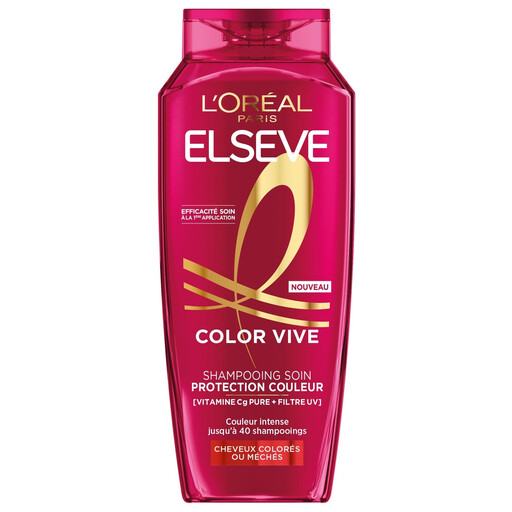
Why this choice suits this profile : a formula designed for coloured or highlighted hair, in a 300 ml size suited to a regular routine and easy use at home.
The product information states that it is suitable for coloured or highlighted hair and recommends using it with a conditioner or mask from the same range, rather than promising a one-size-fits-all result.
Vitamin Cg according to the product information, UV filters and made in France.
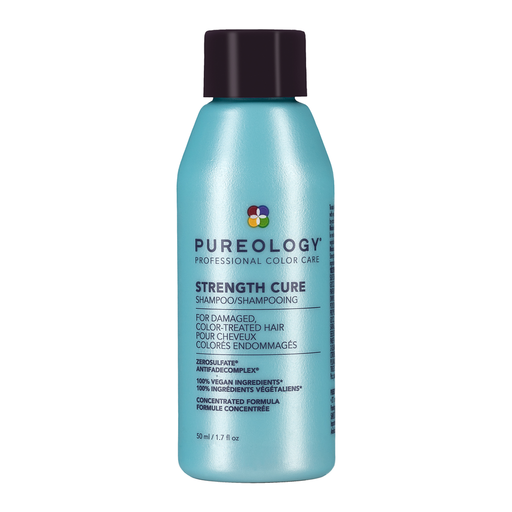
Why this choice suits this profile : its small size lets you try a routine designed for sensitised coloured hair before moving on to a larger bottle.
The formula is described as free from sulphates, parabens and mineral oil, as well as ingredients of animal origin. The product information also recommends testing it on a small area if you have sensitive skin.
50 ml size, stated sulphate-free cleansing agents and sunflower seed extract according to the supplied composition.
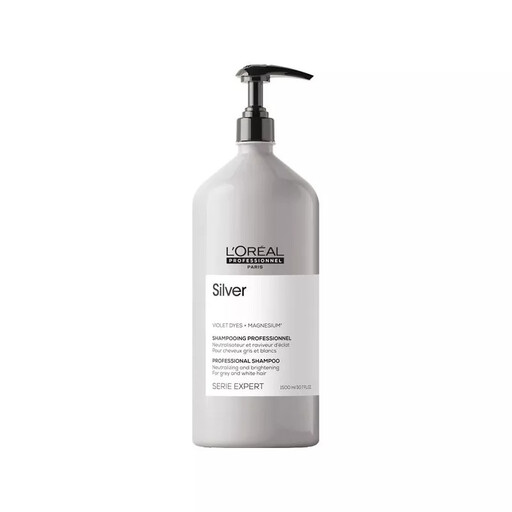
Why this choice suits this profile : its large size is ideal for regular users of anti-yellow shampoo on blonde, grey, white, silver or bleached hair.
The product information recommends using it once or twice a week, or as needed, with an application time of three to five minutes. This helps limit pigment build-up.
Stated purple pigment, hydrolysed wheat proteins and amino acids included in the composition.
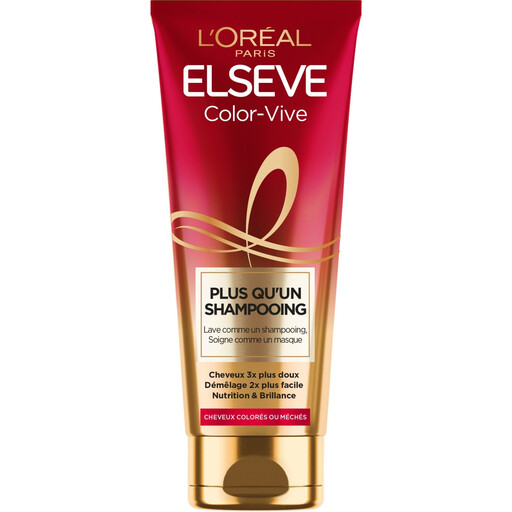
Why this choice suits this profile : this product combines cleansing and conditioning, making it a practical solution for busy mornings or hair that tangles easily.
The product information recommends applying it to the scalp and lengths, followed by immediate rinsing. It should therefore not be treated like a mask that is left on.
200 ml size, coconut oil and conditioning agents listed among the ingredients.
We have put together a complete, real-time updated list of products that meet these strict selection criteria and European safety regulations.
If irritation, redness or an unusual reaction occurs, stop using the product. Avoid contact with the eyes and store each treatment according to the instructions on its packaging.
If your blonde hair has yellow tones, a purple shampoo can help visually correct warm hues. Start by using it once or twice a week, then adjust the frequency according to the result. If your highlights are dry, alternate it with a colour-protecting shampoo and a nourishing treatment.
Not necessarily. Pigments can build up on porous areas and alter the colour tone. Follow the frequency stated on the product, start with a short application time and use a classic shampoo between applications.
No. A sulphate-free formula can be part of certain haircare routines, but colour longevity also depends on how often you wash your hair, the water temperature, sun exposure and the condition of the hair fibre. Check the full ingredients list and choose a suitable complementary treatment.