
Same-day & Next-day Delivery

Quality Guaranteed

Unlock Your Welcome Offers: FREE Delivery | Up to 80% OFF | Free 30-day JoyPlus trial
Download the APP
A new hair color, whether subtle or bold, is a real investment. You leave the salon or finish your at-home color session with vibrant, luminous hair. The problem? After just a few washes, disappointment sets in: the color fades, unwanted tones appear, and your hair becomes dull. Choosing the right shampoo for color-treated hair is therefore crucial to preserving your color's vibrancy.
But here's the catch: the market is saturated with marketing promises that don't always deliver. As the Head of Product Recommendations at Joybuy, my role is to help you see through the noise and make the right choice. Let's break down the pitfalls to avoid and the criteria that truly matter for protecting your color long-term.
Before you even choose a product, you need to know how to sidestep certain myths and marketing strategies that lead straight to a bad purchase.
To make the right choice, it all comes down to the product's composition. Here are the three things to scrutinize on the label.
The goal is to cleanse without stripping. Instead of focusing solely on the "sulfate-free" claim, examine the ingredient list.
A good anti-fade shampoo does more than just wash gently; it actively protects the hair fiber.
It can't be said enough: personalization is key.
Enough theory, let's get practical. Here are a few products that meet specific needs, perfectly aligning with the criteria we've just established.
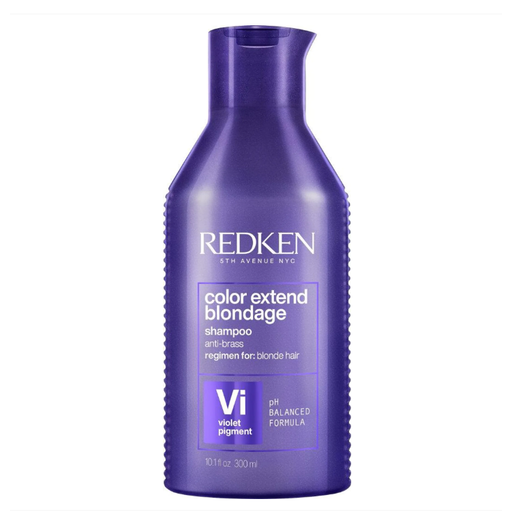
Why we chose it: Ideal for those fighting yellow or brassy tones in their blonde or highlighted hair. It's a targeted solution for maintaining a cool, bright shade between salon visits.
This isn't a generic shampoo. It addresses a specific need (pitfall #3) with its purple pigments that actively correct color, a function a classic shampoo can't perform.
Neutralizes unwanted warm tones while incorporating proteins to strengthen the hair fiber, which is often sensitized by bleaching.
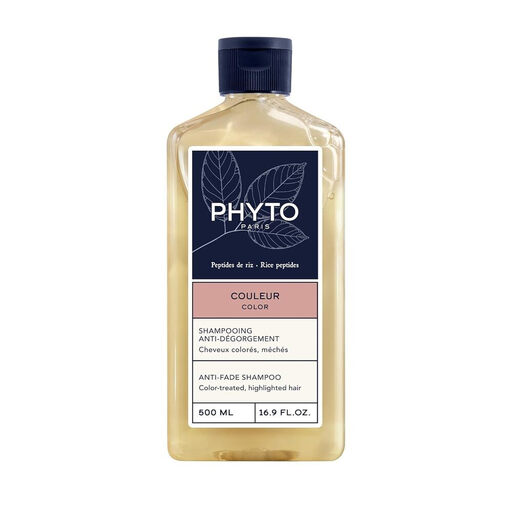
Why we chose it: Perfect for those seeking a more natural and gentle approach. Its sulfate-free and silicone-free formula is designed for sensitive scalps and to preserve color integrity with plant-based ingredients.
It proves that a sulfate-free shampoo can be effective (pitfall #1). Its gentle cleansing base cleans without leaving residue, while plant extracts actively protect the color.
Combines a rice peptide complex with tara tannin and sunflower sprout extracts for anti-fade and antioxidant protection.
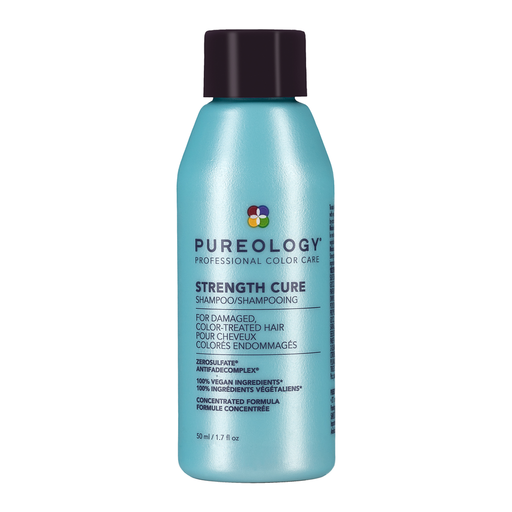
Why we chose it: Designed for hair that has suffered from chemical treatments. It offers dual action: protecting color and strengthening the weakened hair fiber to reduce breakage.
It doesn't promise a "miracle repair" (pitfall #2), but offers a targeted approach with ingredients like Keravis and Astaxanthin to fortify the fiber from within, all while protecting the color.
Sulfate-free, vegan formula that includes the patented Antifade Complex for lasting color protection, while also targeting the repair of damaged hair.
We have compiled a complete, up-to-date list of products that meet these strict selection criteria.
How often you use a purple shampoo depends on how quickly your hair develops yellow tones. Generally, once or twice a week is sufficient. Alternate with a hydrating shampoo for color-treated hair to avoid drying out the hair fiber, as purple shampoos can be slightly more drying.
Not necessarily. A well-formulated sulfate-free shampoo is an excellent choice, but a shampoo containing gentle sulfates combined with plenty of hydrating and protective agents can be just as effective, and even better at cleansing for those with oily scalps. The key is the overall balance of the formula, much more than the absence of a single ingredient.
A few simple habits can make all the difference. Wash your hair less frequently. Use lukewarm water instead of hot, as heat opens the cuticles and releases pigments. Always follow with a conditioner or mask for color-treated hair to seal the cuticle. Finally, using a leave-in treatment with UV protection can make a huge difference.