
Livraison le jour même ou le lendemain

Qualité garantie

Débloquez vos offres de bienvenue: Livraison GRATUITE | Jusqu'à -80 % | 30 jours d'essai gratuits à JoyPlus
Téléchargez l'application
Blonde, bleached, highlighted, grey and coloured hair each have their own needs. Your shampoo should therefore be chosen according to its condition, as well as its tone. Claims such as « anti-yellow », « colour-protecting » or « professional » are not enough on their own to help you choose between two formulas.
A purple shampoo can help visually neutralise certain yellow tones, but it may not meet the needs of a sensitive scalp or very dry hair. Conversely, a colour-protecting shampoo can preserve the vibrancy of your colour without reducing coppery tones. Here are the criteria to consider before placing your order.
Purple is opposite yellow on the colour wheel. Purple pigments are therefore used in anti-yellow shampoos to visually reduce yellow tones. Orange or copper tones may, however, require a different approach, depending on the base colour and level of lightening.
An anti-yellow shampoo does not recolour the hair and is not a substitute for a salon toner. Its result depends in particular on the porosity of the hair fibre, the processing time and how often it is used.
The term « sulphate-free » indicates the absence of certain types of sulphated surfactants, but on its own it does not guarantee a formula that is better suited to all hair types. You should also check the INCI list, fragrance, declared allergens, silicones and conditioning agents.
Conversely, several products for blonde hair contain Sodium Laureth Sulfate. They may suit people looking for a more foaming wash, but are less suitable for those wishing to limit this type of surfactant.
A 1 000 or 1 500 ml bottle can be practical for frequent or family use. However, a concentrated purple shampoo is not necessarily intended for use every time you wash your hair. A smaller size can sometimes allow you to test how well your hair tolerates the product and how intense the correction is before investing in a larger format.
To neutralise yellow and copper tones, look for purple pigments, often listed under the names CI 60730 or Acid Violet 43 in the ingredients list. The processing time should also be clearly stated.
Wearing gloves is recommended when specified by the brand, particularly with highly pigmented formulas.
Bleached hair is often drier and more porous. Check for surfactants, glycerine, hydrolysed proteins, oils and conditioning agents. If you are looking for a sulphate-free shampoo, consult the full INCI list rather than relying solely on the product title.
Sulphate- and silicone-free formulas may suit a more minimalist routine. However, they are not automatically suitable for reactive scalps : fragrances and certain preservatives can also cause irritation or discomfort.
Before comparing prices, start by identifying your main need :
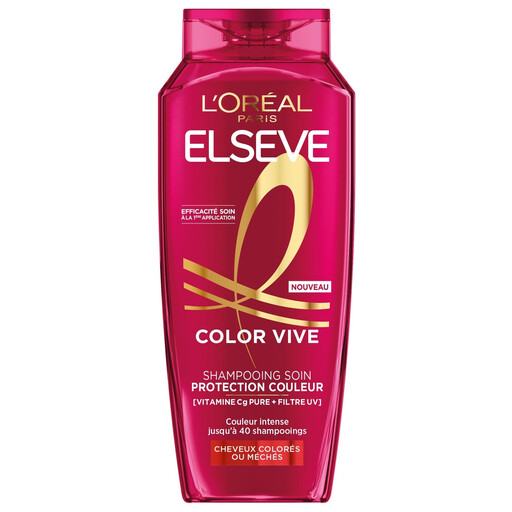
Why this choice suits this profile : At 300 ml, this size lets you start a maintenance routine for coloured or highlighted hair without immediately committing to a larger bottle.
This is a colour-protecting shampoo, not a purple shampoo presented as a universal corrective product. The product information mentions UV filters and a vitamin C derivative.
300 ml size, formula designed for coloured or highlighted hair, made in France as stated.
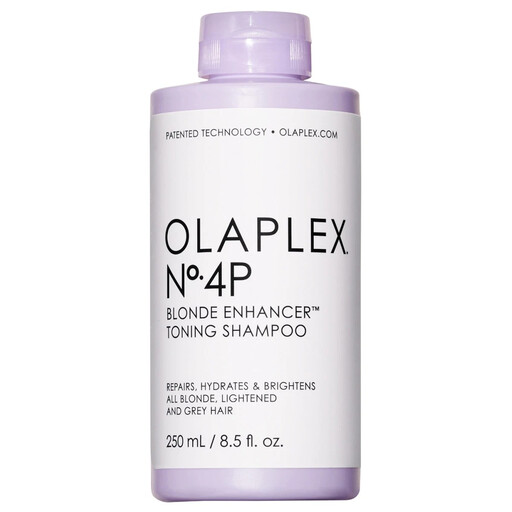
Why this choice suits this profile : This sulphate-free formula contains purple pigments and offers an adjustable processing time. It is designed for blonde or grey hair, whether natural or treated.
The product information states that it is sulphate-free and recommends leaving it on for 1 to 3 minutes, increasing this to up to 5 minutes for a more noticeable correction.
250 ml size, stated to contain Acid Violet 43 pigments, with a recommended frequency of 2 to 3 uses per week depending on your needs.
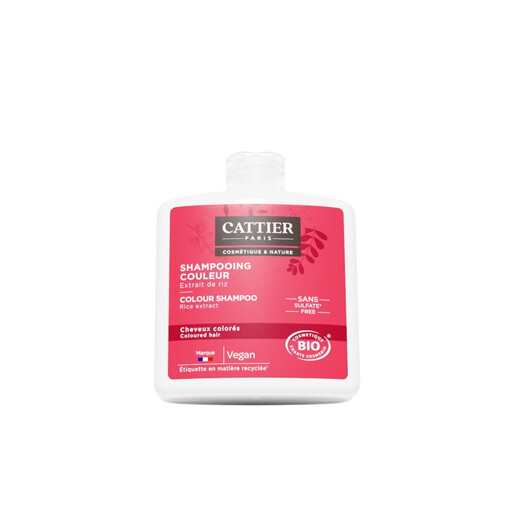
Why this choice suits this profile : This formula is designed to care for coloured hair. The product information describes it as free from sulphates and silicones, in a 250 ml size.
It does not promise purple correction : its role is to gently cleanse coloured hair. This helps you avoid buying an anti-yellow shampoo when your colour has no yellow tones.
Stated composition of 99 % naturally derived ingredients, stated Ecocert organic certification, free from sulphates and silicones.
We have created a complete, real-time updated list of products that meet these strict selection criteria and European safety regulations.
Start by applying the product to wet hair, then gently massage your scalp and lengths. Follow the processing time stated on the packaging. When using it for the first time, a short processing time allows you to check how the most porous highlights react.
Rinse thoroughly, then apply conditioner or a hair mask if your lengths are dry. Avoid contact with the eyes and stop using the product if irritation occurs. The brand’s recommendations should always take priority, particularly for products that require gloves to be worn.
With a classic colour-protecting shampoo, you can generally maintain your usual washing routine. With an anti-yellow shampoo, however, alternate it with a cleansing and nourishing formula if your hair starts to feel coarse or the cool tone becomes too pronounced.
It all depends on the intensity of the tones and the porosity of your hair. Some brands recommend using it once or twice a week, but the right frequency should be adjusted according to the result you achieve and the instructions on the bottle.
Yes. Several formulas are designed for blonde, grey or white hair and primarily target yellowish tones. On very porous hair, reduce the processing time to minimise the risk of a temporary violet tint appearing.
No. The absence of sulphates alone does not guarantee better colour retention. Also check for gentle cleansing agents, the claimed protective function, usage instructions and compatibility with your hair type.