
Livraison le jour même ou le lendemain

Qualité garantie

Débloquez vos offres de bienvenue: Livraison GRATUITE | Jusqu'à -80 % | 30 jours d'essai gratuits à JoyPlus
Téléchargez l'application
Rough, dull, brittle or difficult-to-detangle hair: there is no need to automatically opt for the richest formula. The right shampoo for dry hair should above all match the condition of your lengths, your scalp type and how often you wash your hair. A cleansing base that is too harsh may increase discomfort, while a treatment that is too nourishing can weigh down the roots.
A moisturising shampoo helps restore flexibility and reduce the feeling of rough hair. A nourishing shampoo is more specifically aimed at fibres lacking lipids, particularly after colouring, bleaching or repeated use of heated styling tools. The two needs may overlap, but they are not exactly the same.
Claims such as “deep repair” or “intense nourishment” describe the product’s marketing positioning. They do not guarantee a lasting transformation of the hair fibre. Shampoo is rinsed out after just a few minutes: when hair is very dry or damaged, conditioner, a hair mask and, if necessary, a leave-in oil generally all have a place in your routine.
A sulphate-free shampoo may suit people looking for a gentler cleansing base or who do not tolerate traditional shampoos well. However, the absence of sulphates alone is not enough to judge the quality of a formula. You should also look at the other cleansing agents, fragrance, preservatives and ingredients that may not suit your scalp.
Conversely, the presence of Sodium Laureth Sulfate or Sodium Lauryl Sulfate does not automatically mean that the product is unsuitable. Tolerance varies from person to person and also depends on how often the product is used.
Dry shampoo absorbs some of the sebum at the roots and temporarily gives the hair a fresher appearance. However, it does not replace washing with water: it does not completely remove styling-product residue, pollution or perspiration. Aerosols are also flammable. Follow the recommended application distance, keep them away from sources of heat and avoid contact with the eyes.
An organic shampoo for dry hair should be backed by an identifiable certification, such as COSMOS Organic, rather than relying solely on claims such as “natural” or “plant-based”. Avril and So’Bio étic, for example, display COSMOS Organic certification on the products featured here.
The INCI list remains essential. It helps you identify oils, proteins, cleansing agents and fragrance ingredients. As formulas may change, always check the ingredients shown on the packaging you receive before first use.
A 1 000 ml bottle may reduce the cost per use, but it takes up more space and should be used up before any possible formula change or the date shown on the packaging. A 250 to 500 ml size is often more suitable for trying a product. For dry hair, also consider the cost of your complete routine: a weekly mask may prevent you from compensating for an overly harsh shampoo by adding several treatments.
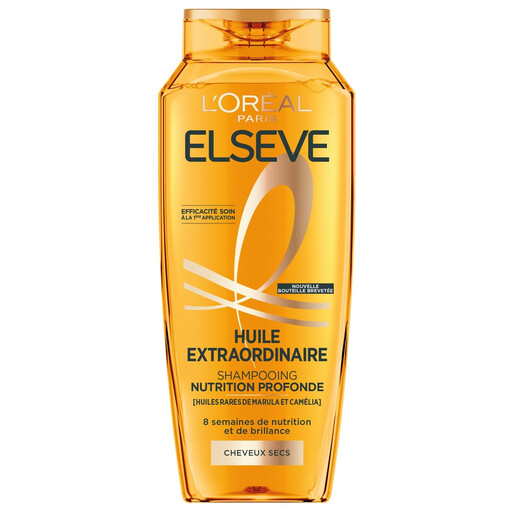
Why this choice suits this profile : at 250 ml, this size lets you try a nourishing shampoo without investing in a large bottle. The formula highlights marula and camellia oils.
The ingredients and volume are clearly stated. This allows you to compare the product with other sizes instead of relying solely on a general claim.
250 ml size, made in France and a bottle stated to be made from recycled plastic.
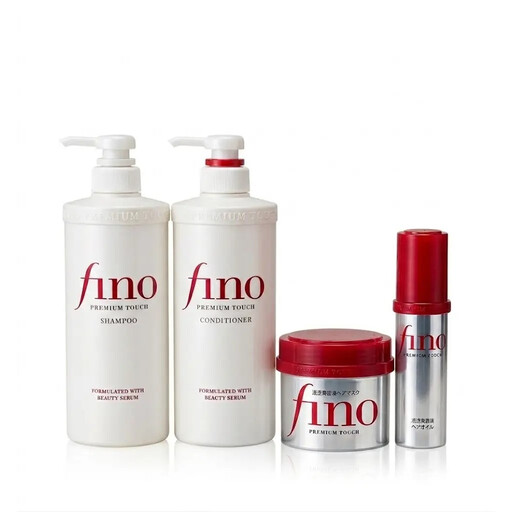
Why this choice suits this profile : this complete routine is designed for anyone who wants to coordinate washing, detangling, masking and finishing for dry or damaged hair.
The four steps are detailed separately: the 230 g mask is intended for weekly care, while the 70 ml oil is used as a finishing treatment.
A set including a 550 ml shampoo, a 550 ml conditioner, a mask and an oil.
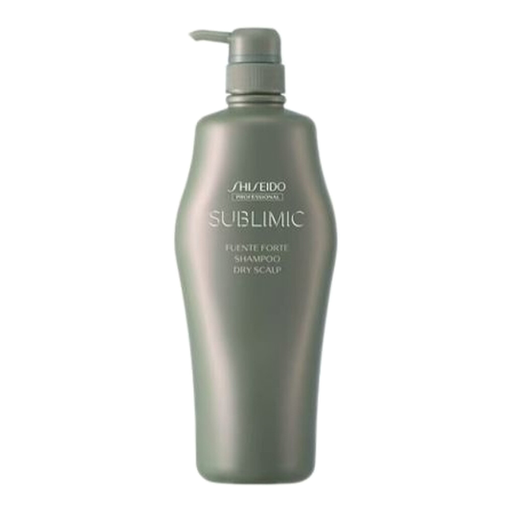
Why this choice suits this profile : its large size is suitable for people who wash their hair regularly and are looking for a product aimed at dry scalps.
The product details list the ingredients, volume and usage precautions. However, its cleansing base contains sulphates, so check your tolerance before using it regularly.
1 000 ml size and a formula designed to cleanse while helping preserve the scalp’s moisture.
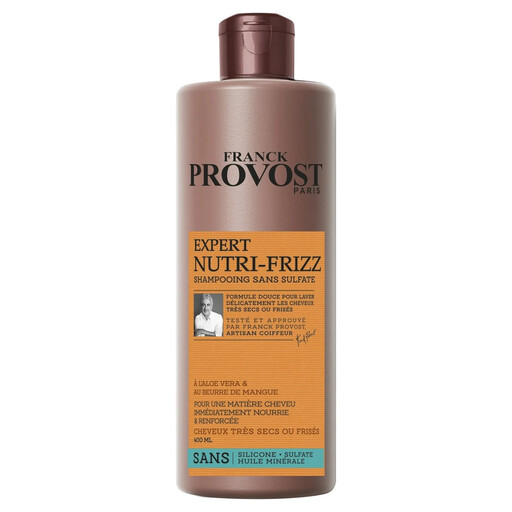
Why this choice suits this profile : this sulphate- and silicone-free formula is designed for very dry or curly hair. It contains aloe vera and mango butter, among other ingredients.
The product details clearly distinguish the absence of sulphates and silicones. However, check the INCI list, particularly if you are sensitive to fragrance.
Formula stated to be free from sulphates, silicones and mineral oil, in a 400 ml bottle.
We have brought together a complete, real-time selection of products that meet these strict criteria while complying with European safety regulations.
You can apply a balancing shampoo to the roots, then use a conditioner or mask to nourish the lengths. The Dessange white clay product is presented for oily roots and dry ends. Its formula contains salicylic acid, clay and sulphates, among other ingredients, so check your tolerance.
There is no routine that works for everyone. Gradually leave more time between washes according to your sebum levels and daily activity, without waiting until your scalp becomes uncomfortable. You can alternate a gentle shampoo with a more nourishing treatment. Very dry lengths will benefit most from a suitable conditioner and mask.
Yes, provided you use it occasionally, for example to freshen up the roots between washes. It does not nourish the lengths and does not replace a classic shampoo for dry hair. If you notice residue, itching or irritation, stop using it and wash your hair thoroughly.