
Livraison le jour même ou le lendemain

Qualité garantie

Débloquez vos offres de bienvenue: Livraison GRATUITE | Jusqu'à -80 % | 30 jours d'essai gratuits à JoyPlus
Téléchargez l'application
A shampoo for blonde hair does more than cleanse. Depending on its formula, it can help maintain your colour, boost shine or tone down some yellow and brassy tones. But marketing claims alone won’t help you make the right choice, particularly if your hair is highlighted, balayaged or bleached.
A purple or blue shampoo won’t necessarily lighten your hair. Its pigments visually correct an overly warm tone, while a brightening shampoo mainly aims to enhance the appearance of shine. So, if you want to neutralise brassy tones, consider the colour of the pigments and the result you’re actually looking for.
A highly pigmented formula can leave a cool or even violet tone if you use it too often — especially on very porous hair. Follow the leave-in time stated on the bottle. In most cases, it’s best to alternate with a gentle shampoo and a nourishing treatment.
This doesn’t tell you much about the formula, size or recommended frequency of use. Instead, check the ingredients, volume, pigments and any usage precautions. For sensitised hair, the texture and how the shampoo works with a conditioner or mask matter just as much as its colour claims.
First, decide which tone you want to correct. A purple shampoo, such as OLAPLEX N°4P, contains the pigment Acid Violet 43, which is found in several products designed for blonde, white or grey hair. A blue shampoo, such as Dessange’s blue toning treatment, is described as suitable for yellow and orange tones.
Your starting colour also plays an important part: very light blonde hair, white hair and light brown balayage won’t all respond in the same way. If you simply want to add shine, a lightly pigmented brightening product may be more suitable.
The leave-in time directly affects how intense the result will be. OLAPLEX N°4P recommends leaving it on for 1 to 3 minutes, with the option to leave it for up to 5 minutes for more noticeable toning. Redken Color Extend Blondage, meanwhile, recommends a leave-in time of 3 to 5 minutes.
To maintain blonde hair, start by spacing out applications, then adjust how often you use the shampoo as your tones change. White or very porous hair may need a shorter leave-in time. If you use several pigmented products, wear gloves to avoid temporarily staining your hands.
Bleached hair often needs a more complete routine than shampoo alone. In particular, check for:
Ingredient lists can change, so always check the label on the product you receive, especially if you have a known allergy. Avoid contact with your eyes and stop using the product if irritation occurs.
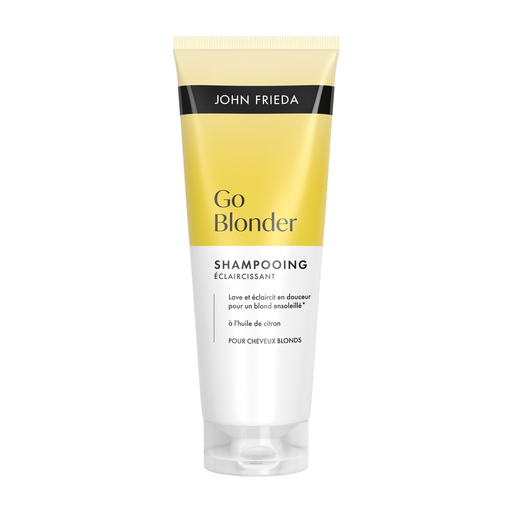
Why it suits this profile : Its 250 ml size and simple application make it a good starting point for a blonde haircare routine, without aiming for intense purple toning.
It isn’t marketed as a highly pigmented yellow-toning treatment, making it a good choice if you’d rather start gradually and see how your blonde hair responds.
The formula is designed for blonde hair. Apply to wet hair, massage in, then rinse.
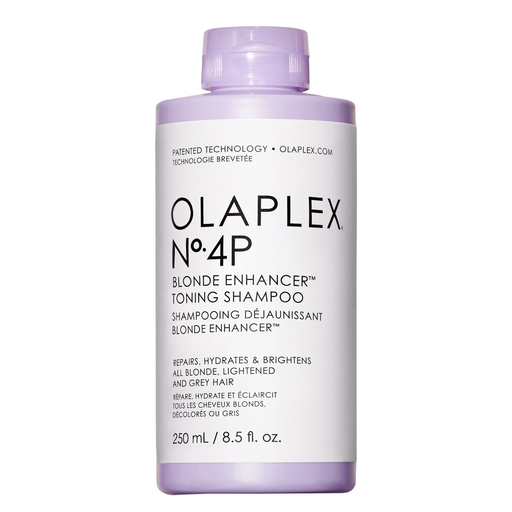
Why it suits this profile : It combines highly pigmented purple colour with a haircare routine designed for blonde, white, grey or bleached hair.
The leave-in time is clearly stated and can range from 1 to 5 minutes. This helps you avoid uneven toning or a result that’s too cool.
Purple pigment Acid Violet 43, a 250 ml size and bonding technology highlighted by the brand in its formula.
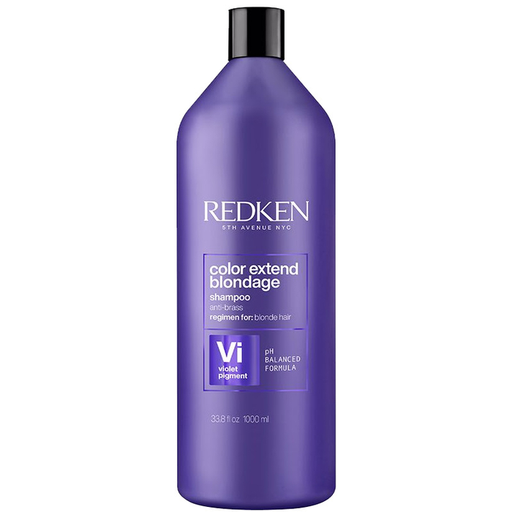
Why it suits this profile : Its generous size is ideal if you regularly use a shampoo to tone down yellow tones, or want to share it.
The instructions explain how to massage it in and rinse it out, and recommend a leave-in time of 3 to 5 minutes. This helps you avoid using it without a clear plan.
A generous 1 000 ml size, purple pigments and amino acids listed in the formula.
We’ve brought together a comprehensive, real-time selection of products that meet these exacting criteria and European safety standards.
It depends on the product’s pigmentation, your hair’s porosity and the shade you’re looking for. To start with, space out applications so you can see how your hair responds. Alternate with a regular shampoo suited to coloured hair, and apply conditioner to the lengths.
A yellow-toning shampoo cleanses your hair while depositing pigments, usually with a short leave-in time. A blonde toning treatment, such as Dessange California Blonde blue treatment, is generally left on for longer and used less often. It can complement your routine, but won’t necessarily replace your usual shampoo.
There’s no one-size-fits-all timeframe. Adjust your routine as your tones change, after colouring your hair, or depending on exposure to the sun, chlorine and hard water. Always check the date on the packaging, and replace the product if its appearance, smell or texture changes.