
Livraison le jour même ou le lendemain

Qualité garantie

Débloquez vos offres de bienvenue: Livraison GRATUITE | Jusqu'à -80 % | 30 jours d'essai gratuits à JoyPlus
Téléchargez l'application
Sesame sauce has become a staple for many fans of Asian cuisine in the UK and beyond. Whether you're looking to elevate a salad, prepare a dipping sauce for a Chinese hot pot, or season a noodle dish, finding the right product can be a challenge given the ever-expanding market. As a Product Recommendation Officer at Joybuy, my role is to help you navigate the options, providing practical tips to make an informed choice, away from often confusing marketing claims.
This guide focuses on objective criteria, such as reading labels and matching the product to your intended use, to help you select the Asian condiment that truly meets your needs.
Choosing a sesame sauce is about more than just grabbing the first bottle you see. Here are a few things to consider to ensure you're making the right purchase.
In accordance with European regulations, ingredients are listed in descending order by weight. For a sesame paste or sauce, the position of sesame in this list is very telling.
Also, check for allergens, which must be clearly indicated (usually in bold or all caps), such as SESAME, soy, or wheat.
The terms can be used interchangeably, but they often refer to different products:
Identifying your primary need will guide you to the most suitable product.
The taste of a roasted sesame sauce can vary significantly. Some sauces include vinegar for a touch of acidity, sugar for sweetness, or chilli oil for heat. The absence of additives like flavour enhancers (e.g., E621) or thickeners can be a deciding factor for those seeking a simpler, more natural product.
Taking the above criteria into account, here is a selection of products with diverse profiles available on the market.
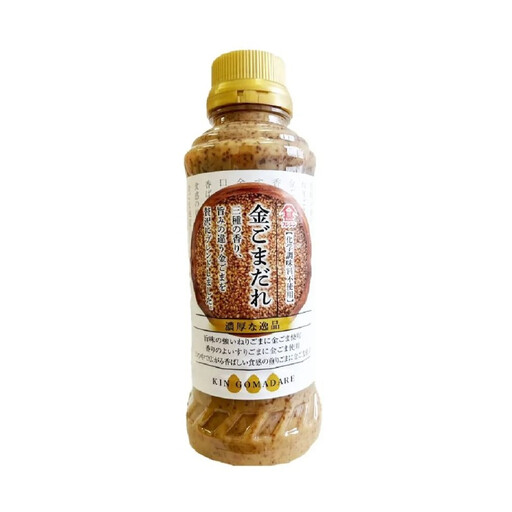
Why we recommend it: This Japanese sesame sauce is an excellent example of a versatile, ready-to-use condiment. Its smooth texture and rich, nutty flavour, typical of "Goma Dare" sauces, make it a go-to partner for everyday cooking. Made by Fujijin Shoyu, a renowned Japanese brand, it offers a perfect balance of sweet and savoury notes with the depth of roasted sesame.
Pros:
Who it's for: Individuals looking for an authentic and easy-to-use roasted sesame sauce to accompany a wide variety of dishes without any extra prep work.

Why we recommend it: This product is specifically designed for Chinese hot pot enthusiasts. It combines the richness of sesame (20%) with a base of chilli (50%) and Sichuan pepper, creating a complex flavour that is fragrant, spicy, and slightly numbing. It's a bold sauce that brings an authentic Sichuan touch to your meals.
Pros:
Who it's for: Fans of bold flavours and Sichuan cuisine who want a powerful, authentic sauce for their hot pot or other dishes that call for a spicy condiment.
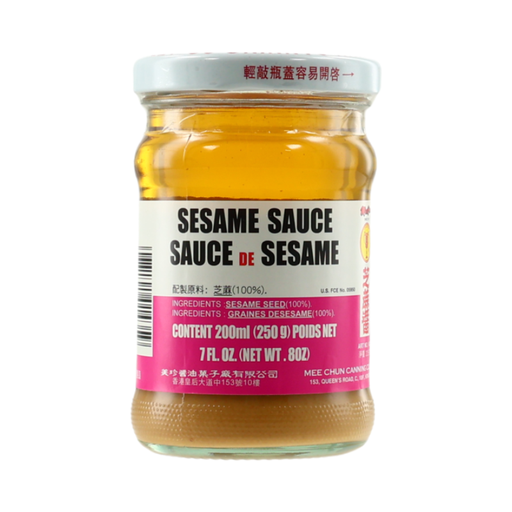
Why we recommend it: This product is a pure sesame paste, made from 100% roasted sesame. It is the ultimate base ingredient, offering total flexibility in the kitchen. Its dense texture and intense roasted sesame aroma make it the ideal starting point for creating your own custom sauces, whether for a hot pot, Dan Dan noodles, or a vinaigrette.
Pros:
Who it's for: Cooks who like to control their seasonings and are looking for a quality base to prepare an authentic Chinese hot pot dipping sauce or other dishes requiring a pure sesame paste.
If the products in our selection aren't quite what you're looking for, or if you simply want to discover a wider variety of seasonings, other options are available. Since every recipe and palate is unique, sometimes a broader search is necessary.
We invite you to browse our full category of Sesame Dressing to find the condiment that will elevate your dishes.
1. What is the difference between sesame paste and sesame sauce? Sesame paste (often called tahini in Middle Eastern cuisine or zhima jiang in China) is typically a thick preparation made solely from ground sesame seeds. It is a base ingredient. Sesame sauce is a finished, ready-to-use product where the sesame paste has already been mixed with other ingredients like soy sauce, vinegar, sugar, or oil.
2. How can I use sesame sauce in cooking? Its versatility is its greatest strength. You can use it:
3. How should I store sesame sauce after opening? It is best to refer to the instructions on the product's packaging. Generally, once opened, a sesame sauce or paste should be stored in the refrigerator to maintain its freshness and prevent the oils from oxidizing. For pure pastes, it's normal for the oil to separate and rise to the top; simply stir it well before each use.