
Livraison le jour même ou le lendemain

Qualité garantie

Débloquez vos offres de bienvenue: Livraison GRATUITE | Jusqu'à -80 % | 30 jours d'essai gratuits à JoyPlus
Téléchargez l'application
Finding the right flavour in Asian cooking can be a real challenge, especially in the condiment aisle. Faced with a multitude of jars labelled "sesame paste," it's easy to get lost: which one should I choose for my Chinese hot pot, my dan dan noodles, or my homemade dressing? Colour, texture, composition… it's hard to know where to start.
As a product expert at Joybuy, my mission is to guide you. This guide will help you unlock the secrets of sesame paste and its variations, with practical tips for choosing the right product, without any unnecessary jargon.
A few simple criteria are all you need to make the right choice.
The first thing to check: is it a pure paste or a blend?
The colour and taste of the paste depend entirely on the degree to which the seeds are roasted. A dark colour indicates a deep roast, which gives it that rich, smoky aroma. This is what sets it apart from Middle Eastern tahini, which is often lighter and milder because it's made with raw or very lightly toasted seeds. To capture the authentic taste of Asian cuisine, opt for a paste made from well-roasted sesame.
A quick look at the label often tells you everything you need to know. A good sesame paste contains only sesame seeds, and sometimes a little sesame oil for a smoother consistency. Avoid long ingredient lists: added sugars, vegetable oils (other than sesame), or preservatives are a sign of a product that strays from the traditional recipe.
To get you started, here is our selection of products that perfectly illustrate these differences, each with its own preferred use.
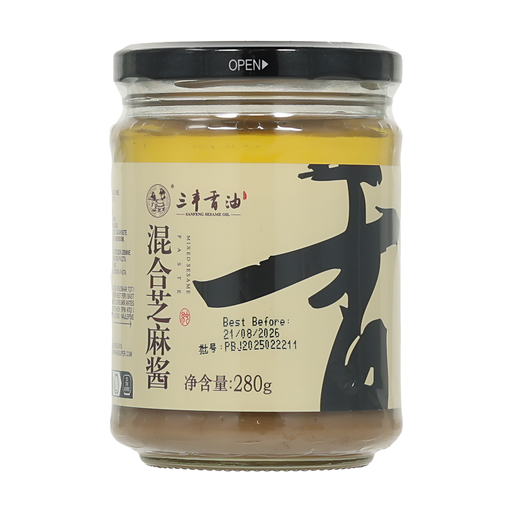
Key features
This paste is a classic example of traditional Chinese sesame paste. It's made from a blend of white and black sesame seeds, roasted to perfection to develop a rich and complex flavour. Its particularly smooth texture makes it very easy to dilute for creating sauces or to incorporate into pastries.
Benefits
Who is it for?
For those looking for a pure and versatile sesame paste that can adapt to a multitude of Asian recipes. It's the ideal gateway into the world of Asian condiments.
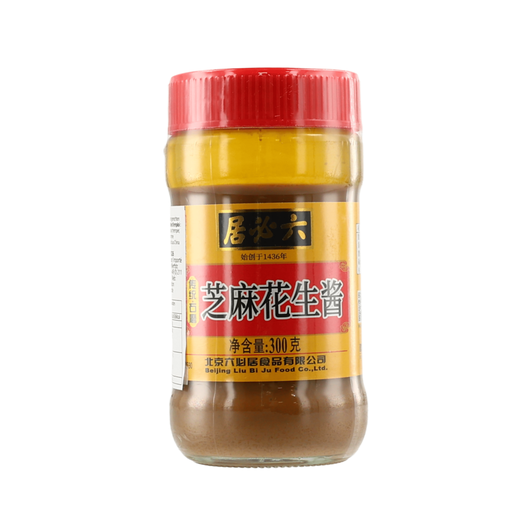
Key features
Liu Bi Ju is an institution in China, a brand whose history dates back to the Ming Dynasty. This sesame peanut sauce is a true classic. The blend is perfectly balanced (50% sesame, 50% peanuts), offering a creamy texture and an indulgent taste that softens the natural bitterness of the sesame. The brand highlights its traditional stone-grinding method, a guarantee of quality.
Benefits
Who is it for?
A must-have for hot pot enthusiasts who want the authentic taste of the dipping sauce. It's also perfect for dishes like Wuhan hot dry noodles (热干面, rè gān miàn) or for anyone who prefers a milder flavour than that of pure sesame paste.
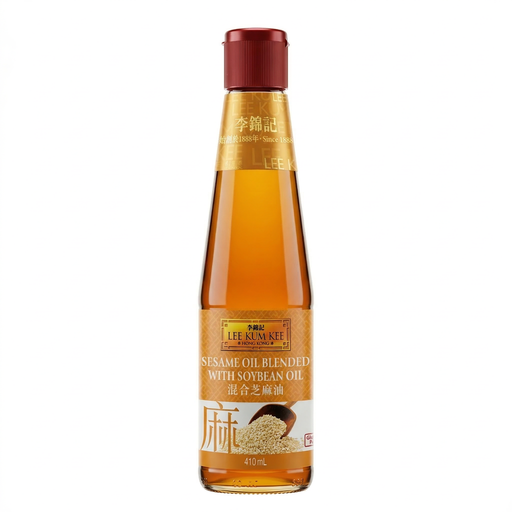
Key features
While not a paste, toasted sesame oil is its essential companion. This version from Lee Kum Kee is a seasoning oil, designed as a finishing touch. It's not used for cooking, but for finishing: a few drops are all you need to perfume a stir-fry, soup, marinade, or salad just before serving.
Benefits
Who is it for?
For all lovers of Asian cuisine. It's a staple to have in your pantry, just like soy sauce. Indispensable for perfecting a seasoning and adding that characteristic roasted note.
Our selection covers the essentials, but the world of Asian condiments is endless. To explore other pastes, flours, or seeds and discover more variety, feel free to browse our full catalogue.
? Discover our full range of Mixed Grains to find the perfect ingredient for your next recipe.
1. What is the difference between Chinese sesame paste and tahini? The main difference comes from the roasting of the seeds. Chinese sesame paste is made from deeply roasted seeds, which gives it its dark colour, powerful aroma, and more pronounced taste with a hint of bitterness. Tahini, a star of Levantine cuisine, is made with raw or very lightly toasted seeds. It is therefore lighter in colour and milder in taste.
2. How do I use sesame paste in cooking? Sesame paste is incredibly versatile. Dilute it with a little water, soy sauce, vinegar, and garlic to create a noodle sauce or dressing in seconds. It's also the essential base for Chinese hot pot dipping sauce. On the sweet side, it works wonders in buns, biscuits, or mochi, giving them that intense black sesame flavour.
3. The oil has separated and risen to the top of my sesame paste. Is this normal? Yes, this is completely normal and is actually a sign of quality! It proves that the product is natural and contains no emulsifiers to keep the mixture homogeneous. Simply stir it well with a spoon or a chopstick before use to restore its perfect texture.