
Livraison le jour même ou le lendemain

Qualité garantie

Débloquez vos offres de bienvenue: Livraison GRATUITE | Jusqu'à -80 % | 30 jours d'essai gratuits à JoyPlus
Téléchargez l'application
Fragrant stir-fries, Korean BBQ marinades, gyoza dipping sauces… the dilemma is always the same: which sesame oil should you choose? Faced with rows of bottles on the shelf—light, amber, spicy—it's easy to get lost. Yet, sesame oil is far more than just a cooking fat; it's a key ingredient in Asian cuisine, capable of transforming an everyday dish into a true culinary experience.
This guide is here to help you make sense of it all. We'll explain how to distinguish between the different types of oils, understand their uses, and choose the perfect bottle for your recipes, cutting through the marketing noise.
Before diving into our selection, here are a few key points to understand. Once you've mastered these basics, you'll be able to choose with confidence and elevate your dishes.
The oil's colour is your first clue: it tells you a lot about how to use it.
Craving a more intense experience? Flavoured oils are for you.
Choose a bottle size that matches your consumption. Toasted sesame oil is highly aromatic and used sparingly; a small bottle is often sufficient for home use and ensures better freshness. Heavy users or professionals might opt for larger, often more economical, formats. Finally, take a look at the ingredients list: a quality oil contains only sesame seeds. Avoid products with additives or filler oils (except, of course, for flavoured versions).
Here are some of our recommendations, each tailored to a specific culinary need.
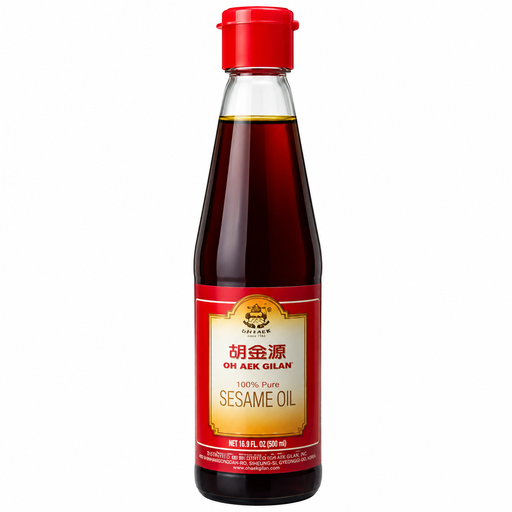
Why It Stands Out A true classic of pure and authentic toasted sesame oil. Produced in Singapore, it's made from rigorously selected sesame seeds, which are then roasted to achieve that deep amber colour and rich, lingering nutty aroma. Its 100% sesame composition, with no additives, makes it a reliable choice.
Key Features
Who Is It For? For home cooks and professionals alike who are looking for an excellent everyday toasted sesame oil. A versatile essential for any Asian-inspired recipe.
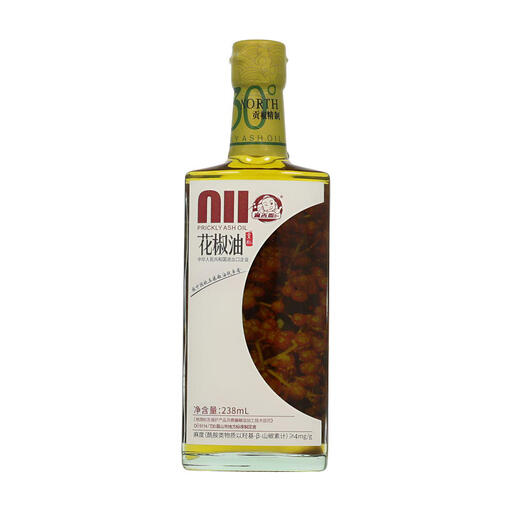
Why It Stands Out This Sichuan peppercorn oil is for purists seeking the authentic flavours of the Chinese province. It perfectly captures the famous "málà" sensation—that unique blend of chili heat and the tingling, almost numbing effect of Sichuan peppercorns, all built on a sesame oil base.
Key Features
Who Is It For? For foodies and adventurous cooks who want to recreate authentic Sichuan dishes or simply add a complex, vibrant touch to their creations.
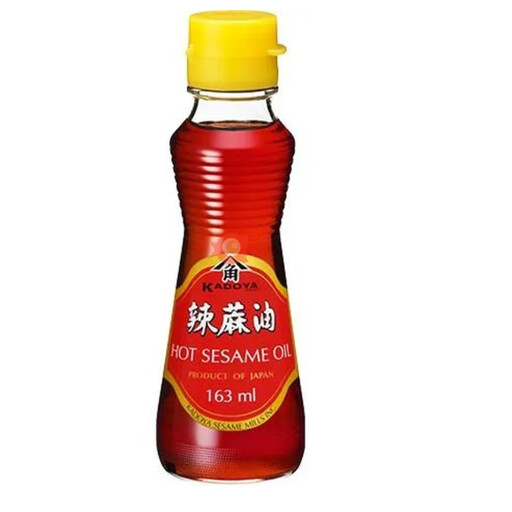
Why It Stands Out The Japanese brand Kadoya is an undisputed benchmark in the sesame oil market. This chili version marries the nutty aroma of their classic oil with a perfectly balanced touch of heat. A simple and devilishly effective condiment to awaken a dish in an instant.
Key Features
Who Is It For? For anyone who likes a bit of heat and is looking for a 2-in-1 condiment that combines the fragrance of sesame with the warmth of chili.
Our selection is just a starting point. To master the art of Asian seasoning, feel free to explore our full range. You'll find other brands, different formats, and also Asian vinegars to create the perfect dressings.
Shop All Our Sesame Oils and Vinegars
1. What's the difference between light and toasted sesame oil? Light oil comes from raw, cold-pressed seeds. It has a neutral taste and can withstand cooking heat. Toasted oil is made from roasted seeds. It's dark, highly fragrant, and used as a finishing oil after cooking.
2. Can you cook with sesame oil? Yes, but it depends on which one! Light sesame oil can handle medium-heat cooking. However, toasted sesame oil has a low smoke point: never heat it at high temperatures, as it will turn bitter and lose all its flavour. It should be reserved for flavouring dishes just before serving.
3. How should I store sesame oil? To preserve its freshness and aromatic intensity, store your bottle away from light and heat, such as in a cupboard. Remember to close the cap tightly after each use to limit contact with air, which can cause it to go rancid.