
Livraison le jour même ou le lendemain

Qualité garantie

Débloquez vos offres de bienvenue: Livraison GRATUITE | Jusqu'à -80 % | 30 jours d'essai gratuits à JoyPlus
Téléchargez l'application
The sesame ball: the name alone is enough to evoke the rich, comforting flavours of Asian cuisine. Yet, behind this name lies a fascinating diversity of textures and tastes. Between chewy sesame mochi, soft sesame daifuku, and the traditional crispy fried sesame ball, it's not always easy to know where to start.
Our role is to guide you through this delicious world. This guide will break down the differences between these delicacies and help you find the perfect one, whether you're a seasoned connoisseur or a curious newcomer.
A few simple criteria are all you need to find the perfect sesame ball. Follow our guide!
The first major difference is the texture, which is a direct result of the preparation method.
The filling is the soul of the sesame ball. The two most common variations offer very different experiences.
Sesame balls come in different formats. Packs of 200 to 250g are perfect for a first tasting or a solo indulgence. For family meals, special occasions, or simply for true fans, the generous 400g+ sizes are both more convenient and cost-effective.
To put theory into practice, here are three products that perfectly illustrate the richness of the Asian sesame dessert world.
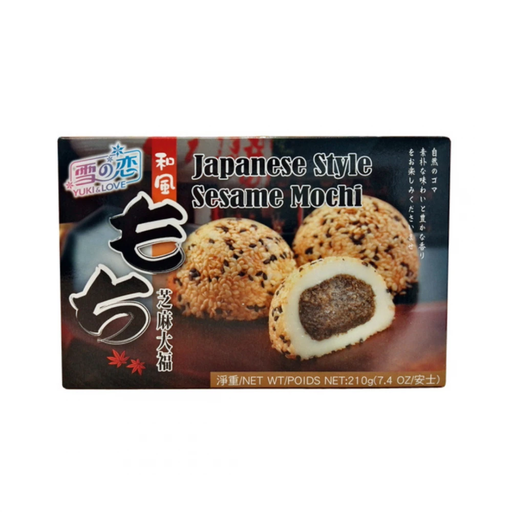
Why we love it: This daifuku is the epitome of sweetness and convenience. With its melt-in-your-mouth texture and generous filling, it's the perfect introduction to the world of sesame mochi.
Highlights:
Who is it for?: For those who want a quick and easy dessert and are fans of the unique texture of Japanese mochi.
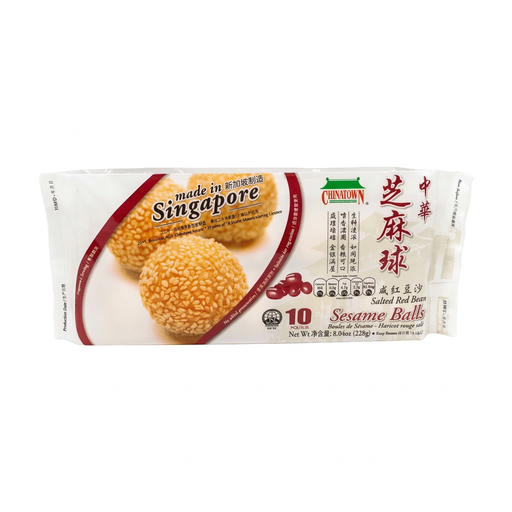
Why we love it: This version of the fried sesame ball stands out with its bold filling. The touch of salt in the traditional red bean paste creates a sweet and savoury balance that tantalises the taste buds.
Highlights:
Who is it for?: For adventurous foodies who love sweet and savoury combinations and enjoy preparing a warm, crispy dessert at home.
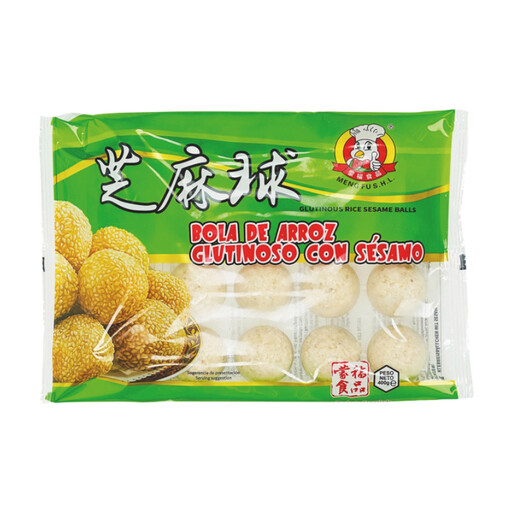
Why we love it: This product focuses on the classic and comforting flavour of the red bean sesame ball, all in a generous format perfect for sharing.
Highlights:
Who is it for?: For families and anyone who wants to serve a traditional Asian dessert in a large quantity, relying on a sure thing.
If this guide has given you some ideas, why not give it a try yourself? To prepare your own fillings, sweet soups, and other traditional recipes, check out our selection of bean seeds.
It's all a matter of preparation and texture. Sesame mochi (or daifuku) is made from steamed glutinous rice dough, which gives it its soft and elastic texture. It is ready-to-eat. The fried sesame ball (jian dui), on the other hand, is sold raw. It must be cooked (usually deep-fried) to achieve its famous contrast between the crispy exterior and the soft interior.
It depends on the type. Ready-to-eat daifuku can be stored at room temperature, simply by observing the best-before date on the package. Fried sesame balls, which are sold frozen, should be kept in the freezer at -18°C. Be careful not to refreeze them once they have been thawed.
Absolutely. Deep-frying remains the gold standard for an authentic, crispy, and golden-brown result. However, many sesame balls can also be baked in the oven or cooked in an air fryer. This is an excellent alternative for a lighter result. For optimal results, just be sure to follow the cooking instructions on the package.