
Livraison le jour même ou le lendemain

Qualité garantie

Débloquez vos offres de bienvenue: Livraison GRATUITE | Jusqu'à -80 % | 30 jours d'essai gratuits à JoyPlus
Téléchargez l'application
A serving tray should make things easier to carry, present food and drinks beautifully, and fit naturally into your daily routine. Yet it’s still all too easy to choose one on looks alone. A stylish design may hide a surface that’s too small, impractical edges or a finish that’s a hassle to care for.
Before buying a display tray, meal tray or snack tray, focus on three essentials: the space you actually have, the material and the care instructions. These checks can help you avoid buying a tray that doesn’t suit your needs, whether you’re serving drinks, laying the table or presenting a dessert.
Handles, rims and feet can significantly reduce the usable surface area. For breakfast, allow enough room for a mug, a plate and cutlery. For a snack tray, check that it can hold bowls, small glasses and serving accessories without becoming overcrowded.
A 24 cm design won’t meet the same needs as a 33 cm tray or a large rectangular one. Also consider how heavy it will be when full, especially if you’ll need to carry it across a room or up a few steps.
A wooden serving tray adds a warm touch, but it generally needs to be washed by hand and dried straight away. Don’t leave it to soak, as moisture can warp or damage the surface.
Porcelain gives an elegant finish and has a non-porous surface, but it can break if dropped or knocked. Plastic or polypropylene is often lighter, but some designs aren’t dishwasher- or microwave-safe. Whatever the material, always check the product details rather than relying on marketing claims.
A decorative tray isn’t necessarily designed to hold hot food. Likewise, don’t expose a porcelain tray to sudden changes in temperature unless the manufacturer says it’s safe to do so.
Before buying, check the guidance on:
For everyday use, a rectangular tray makes it easier to carry several items arranged in a row. A round design is better suited to drinks, desserts or a centrepiece. Raised edges help prevent items from sliding and contain small spills.
A table tray should also fit into your storage space. Stackable designs are particularly useful in a small kitchen. For entertaining, a set of serving trays in different sizes lets you keep drinks, nibbles and desserts separate.
Never assume a tray is dishwasher-safe unless it’s labelled as such. If in doubt, wash it gently in warm water with a non-abrasive sponge.
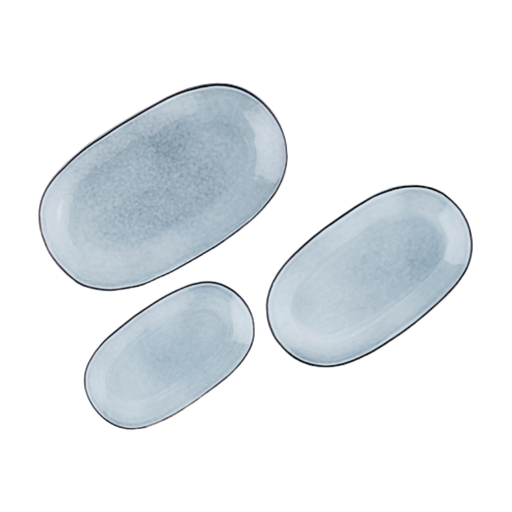
Why it suits this shopper: The three sizes make it easy to get started with a tray for drinks, storage or serving small snacks, without having to buy several separate products.
Raised edges help keep items in place. The stackable design saves space, and all it takes to clean is a damp cloth.
Polypropylene, three sizes available, storm-grey finish and lightweight, stackable design.
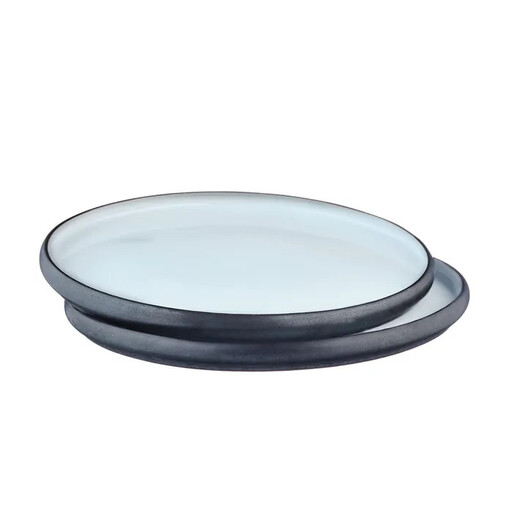
Why it suits this shopper: Its 33 cm diameter and Onyx-black finish work beautifully on an entertaining table, for carefully styled displays and for sharing food.
The product details specify that it’s made from porcelain and recommend careful handling and hand washing. You’ll know not to expect it to withstand rough treatment.
Set of two, 33 cm diameter, smooth surface and Onyx finish, ideal for cheese, charcuterie and desserts.
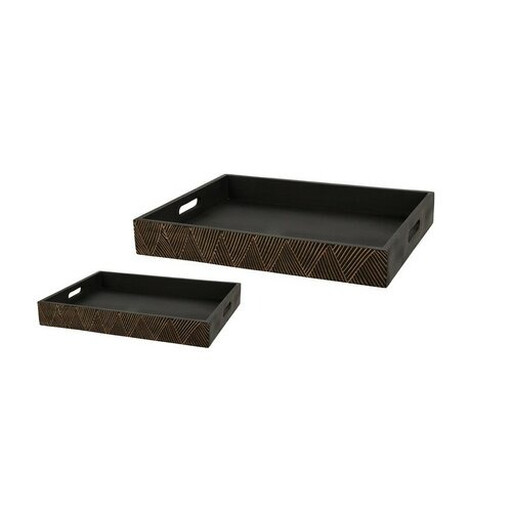
Why it suits this shopper: The two sizes, each with handles, make it easier to serve several guests. They can also be used as decorative accents on a table or piece of furniture.
The dimensions of each tray are listed. Hand washing and the instruction not to soak the trays make the care requirements for mango wood clear.
Two trays, integrated handles, sizes of 40.5 × 30.5 cm and 46 × 36 cm, with a decorative, ethnic-inspired pattern.
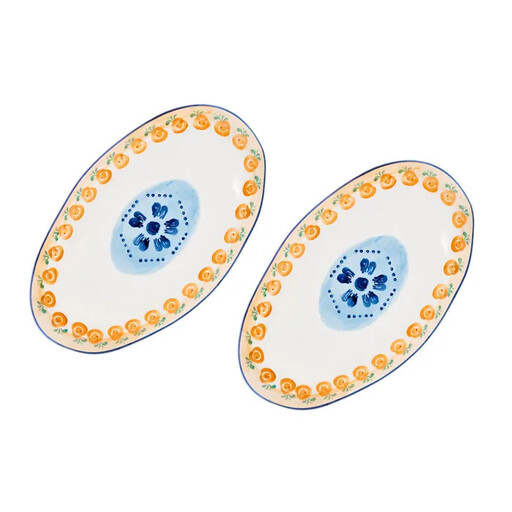
Why it suits this shopper: Its rectangular shape is ideal for serving several portions, family buffets and adding a splash of colour when presenting starters or desserts.
The 36.5 × 22 cm dimensions are clearly listed. The porcelain and gentle-wash instructions call for careful handling rather than treating it as an all-purpose tray.
Set of two, rectangular shape, citrus pattern and a surface suited to both savoury and sweet dishes.
We’ve put together a comprehensive, regularly updated list of products that meet these exacting selection criteria, as well as European safety standards.
Polypropylene is a good choice if low weight and frequent carrying are priorities. Porcelain or ceramic is better suited to table service, as long as you’re comfortable with the greater risk of breakage. Wood is ideal if you prefer a natural look and don’t mind caring for it by hand.
Wash it with a soft sponge and soapy water, then dry it straight away. Avoid soaking it, using abrasive products, putting it in the dishwasher or leaving it near direct heat. Check it regularly for any cracks or splinters.
A diameter of around 30 to 33 cm gives you plenty of room to serve cheese, charcuterie, dried fruit and accessories. For family use or a buffet, a longer rectangular design makes it easier to keep foods separate. Always measure the space in your cupboards before placing your order.