
Livraison le jour même ou le lendemain

Qualité garantie

Débloquez vos offres de bienvenue: Livraison GRATUITE | Jusqu'à -80 % | 30 jours d'essai gratuits à JoyPlus
Téléchargez l'application
A serving tray should make it easy to carry food, showcase it beautifully and sit naturally on the table. Yet some models disappoint from the very first use: a surface that is too small for a buffet, difficult-to-clean finishes or a material presented as versatile even though it is not suitable for the oven or dishwasher.
To make the right choice, the Joybuy Product Recommendation Officer helps you review the criteria that really matter: dimensions, material, stability, care and intended use.
In a photo, a tray may look spacious. In practice, raised edges, handles or compartments can significantly reduce the usable surface. If you plan to place several verrines, a charcuterie board or a family-sized dish on it, check the detailed dimensions carefully.
Photos can also give a misleading impression of proportions. The technical specifications are therefore your best reference before placing an order.
The term “ceramic” does not automatically mean that a tray can go in the oven, microwave or dishwasher. Porcelain, stoneware, wood, polypropylene and silicone each have their own care requirements.
A ceramic serving tray offers an elegant presentation, but it can crack if exposed to thermal shock. A porcelain serving tray has a smooth, refined surface, but requires careful handling. Wood adds a warm touch, while plastic is better suited to light carrying and everyday organisation.
A loaded tray can quickly become difficult to carry. Large models without handles require a secure two-handed grip. When serving in the living room, on the patio or to several guests, well-designed handles and non-slip edges can make a real difference.
Before choosing a meal tray or buffet tray, consider who will carry it, over what distance and with what type of contents.
Ceramic and porcelain are particularly suitable for carefully presented dishes. They generally withstand everyday use well when handled with care, but they can still break. Avoid sudden temperature changes and abrasive products if the instructions advise against them.
Wood, particularly mango wood or acacia, is a natural choice for a decorative tray, display stand or dessert serving piece. It will usually need to be washed by hand, dried promptly and protected from prolonged soaking.
Polypropylene and silicone are lighter and practical for drinks, snacks or meal trays. Unless the manufacturer clearly states otherwise, do not expose them to flames or direct heat.
A table tray designed to carry glasses should limit movement of its contents. Raised edges reduce the risk of items falling during transport. For a flat presentation, a wide, shallow surface helps food stand out more effectively.
For a presentation dish, also check:
Never assume that a tray is dishwasher-, oven- or microwave-safe based solely on its material. For example, some Björn SCANDI models are advertised as suitable for the dishwasher, microwave and oven up to 220 °C. Other references, by contrast, recommend hand washing and exclude the use of these appliances.
For frequent use, a smooth surface makes cleaning easier. With wood, drying it immediately helps minimise warping. In all cases, follow the care instructions for the model you choose.
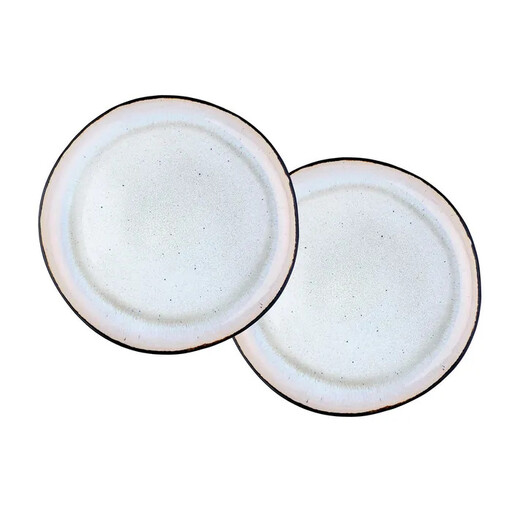
Why this choice suits this profile : This set of two 32 cm round ceramic trays is ideal for everyday meals, desserts and appetisers, without requiring you to buy lots of extra accessories.
The stated diameter lets you check the actual surface rather than relying on the photograph alone. The pieces can also be stacked to take up less space in a cupboard.
Two pieces, an easy-to-match ivory colour and a smooth surface. Hand washing is recommended.
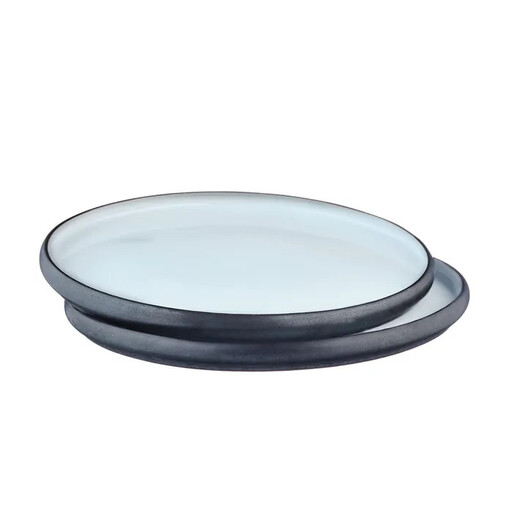
Why this choice suits this profile : Its black Onyx porcelain and 33 cm diameter complement an elegant table, a reception or a selection of sharing dishes.
The product details specify the material, size and washing recommendations, rather than suggesting undocumented versatility.
A set of two pieces, a smooth surface and a size suited to starters, main courses and desserts.
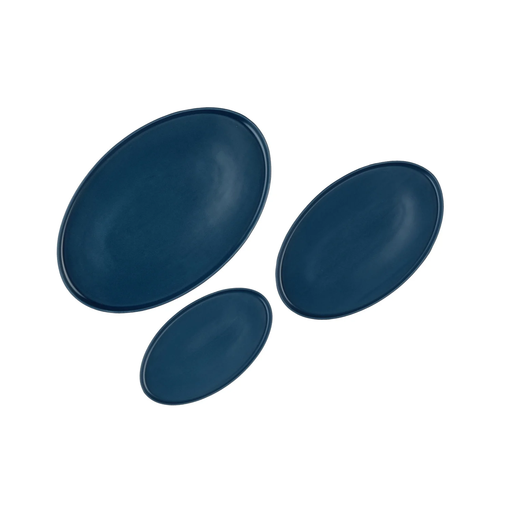
Why this choice suits this profile : These three pieces made from recycled stoneware meet the needs of a household that regularly serves starters, side dishes and desserts.
The permitted uses are clearly stated: dishwasher, microwave and oven up to 220 °C. You therefore do not have to infer their compatibility from their ceramic appearance alone.
Three sizes, stackable pieces, a matt finish and recycled stoneware. Sudden temperature changes should nevertheless be avoided.
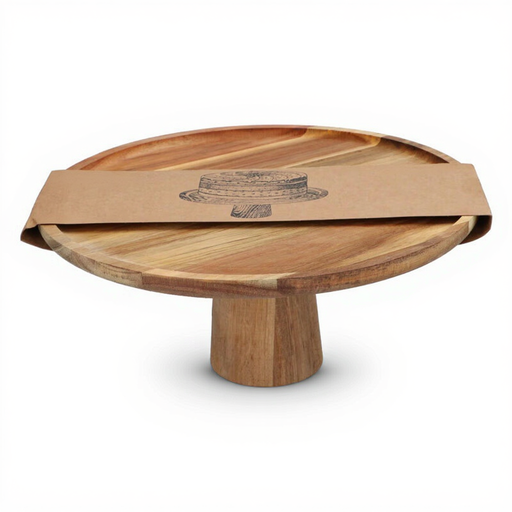
Why this choice suits this profile : With a 30 cm diameter and a height of 13 cm, this acacia stand showcases cakes, cupcakes and pastries at an afternoon tea or reception.
Its presentation purpose is clearly defined: it is not intended for cooking and must not be placed in the oven, microwave or dishwasher.
Acacia wood, a raised platform and an integrated foot. Hand washing and immediate drying are recommended.
We have put together a complete selection, updated in real time, of products that meet these demanding criteria as well as European safety regulations.
A serving tray set lets you vary your presentations and divide tasks between trays. However, make sure that each piece meets a genuine need: several sizes that are never used will quickly end up taking up valuable cupboard space.
For versatile use, a diameter of 30 to 33 cm is suitable for appetisers, desserts and sharing dishes. To carry several glasses or plates, choose a longer rectangular model, checking the inner surface and the total weight once loaded.
As a general rule, wood should be washed by hand, without prolonged soaking, and dried immediately afterwards. Always check the instructions for the model: its finish, adhesive or construction may require different care.
Hold it with both hands when it is loaded and avoid knocks against hard surfaces and sudden changes in temperature. Use a non-abrasive sponge and store stackable pieces carefully to help prevent chips.