
Livraison le jour même ou le lendemain

Qualité garantie

Débloquez vos offres de bienvenue: Livraison GRATUITE | Jusqu'à -80 % | 30 jours d'essai gratuits à JoyPlus
Téléchargez l'application
There's nothing quite like hosting friends and family, and to make the moment perfect, presentation is almost as important as the menu itself. A beautiful serving tray has the power to elevate a simple get-together into a polished, welcoming reception. The problem? The market is flooded with options that, despite their appealing looks, reveal their flaws after just a few uses. To help you see clearly and invest in a model that will stand the test of time, we've identified the common pitfalls to avoid and the essential criteria to check.
Before you fall for a particular design, watch out for these recurring flaws that can quickly turn a great find into a regret.
To ensure you don't regret your purchase, focus on these key points that are the hallmark of your presentation platter's quality and longevity.
The choice of material is crucial. Each material has its own strengths and ideal use:
Think about its primary use. A large, flat tray will be perfect as a presentation platter for verrines or canapés. For appetisers, a model with compartments or integrated bowls is much more practical for separating olives, dips, and breadsticks. Are you a baking enthusiast? A pedestal cake stand is the ideal accessory to showcase your creations.
This is a point that should never be overlooked: check the care instructions. A dishwasher-safe model will make your life much easier. Conversely, wooden trays almost always require hand washing and immediate drying to maintain their beauty over time.
To guide you, here are a few models that tick all the boxes, each catering to a specific user profile and set of needs.
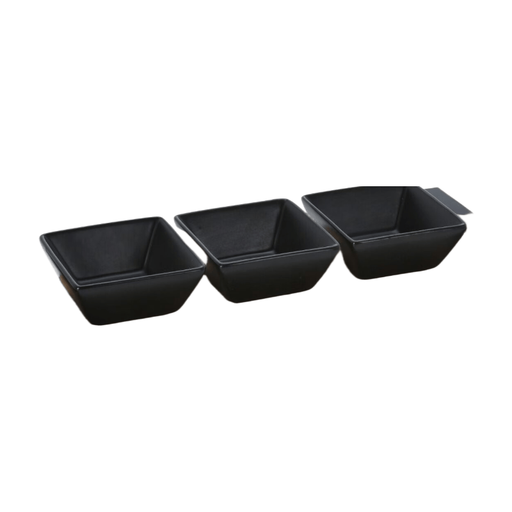
Why we chose it: Perfect for those who love to offer a variety of appetisers. This set allows you to present dips, olives, and crackers at the same time without mixing them, all in a compact format that's easy to bring to the table.
The sturdy, dishwasher-safe stoneware bowls eliminate the risk of a peeling coating. The wooden tray serves only as a base, which limits its exposure to moisture and prevents warping.
A complete, ready-to-use appetiser set that combines durable materials (stoneware, wood, metal) for a presentation that is as chic as it is organised.
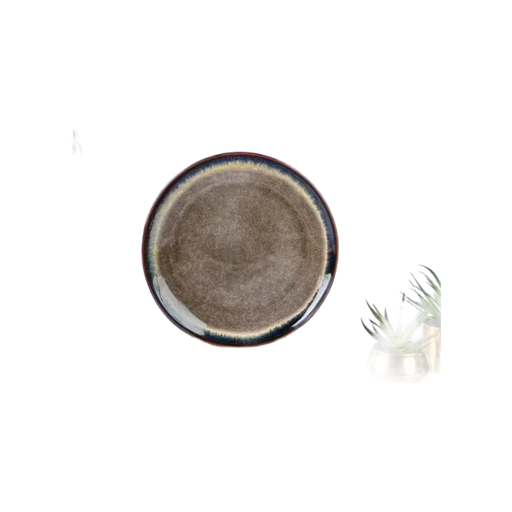
Why we chose it: For those seeking a statement piece with a minimalist design and raw material. Its natural stone appearance brings a touch of sophistication to any table.
Basalt is naturally resistant to scratches and stains, which immediately solves the problem of fragile finishes. Its simple, clean design is the antithesis of style over substance.
A noble and ultra-durable material for a designer tray built to last. Its large diameter (33 cm) is perfect for generous presentations.
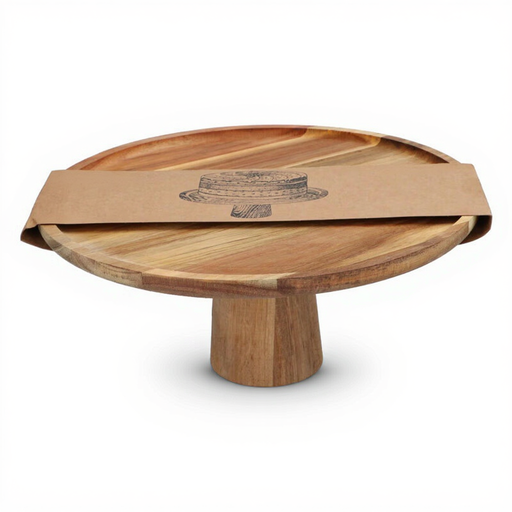
Why we chose it: Specially designed to showcase cakes, tarts, and cupcakes. Its pedestal elevates your desserts, making them the star of your table.
The choice of acacia wood, a durable material, and its sturdy base ensure perfect stability—a far cry from wobbly, low-end stands. Proper care will prevent any warping.
A cake stand that is as elegant as it is functional. Its wide diameter (30 cm) provides a generous surface to accommodate all your sweet creations.
We have put together a complete selection of products that meet our quality criteria and current safety standards.
How do I clean a wooden tray without damaging it? Most importantly, never let it soak and keep it out of the dishwasher! A wipe with a damp sponge and a little mild soap, a quick rinse, and immediate drying with a clean cloth are all it takes. To nourish and protect it, apply a thin layer of food-grade oil (like grapeseed oil) from time to time.
Can a stoneware tray go in the oven or microwave? It all depends on the manufacturing quality. Many stoneware models can withstand being in the oven (up to a certain temperature) and microwave. However, it is imperative to always consult the manufacturer's instructions. Be especially careful of thermal shock (going from cold to hot too quickly), which could cause it to crack.
What's the difference between a cheese board and a regular serving tray? A cheese board is typically made of wood or slate, neutral materials that do not alter the taste of the cheese. It is sometimes sold with its own dedicated knives. A serving tray, on the other hand, is more versatile. It comes in all materials and is used to present and carry a wider variety of items, from drinks to small bites.