
Livraison le jour même ou le lendemain

Qualité garantie

Débloquez vos offres de bienvenue: Livraison GRATUITE | Jusqu'à -80 % | 30 jours d'essai gratuits à JoyPlus
Téléchargez l'application
Sensitive skin can feel tight after cleansing, react to the slightest new product or develop redness for no obvious reason. With promises of “repair”, an instant glow and blemish-fighting action, it’s easy to end up piling up bottles without managing to create a truly comfortable routine.
When choosing facial care for sensitive skin, it’s best to focus on the formula, the level of tolerance you can expect and how easily the product fits into your everyday routine. Here are the main pitfalls to avoid, the label details to look for and a selection suited to different needs.
A serum containing 8 or 10 % niacinamide may seem more effective than a less concentrated formula. However, a higher percentage is not necessarily the best choice for reactive skin. Comfort depends on the formula as a whole, including the presence of denatured alcohol, fragrance, acids or essential oils.
To begin with, test the product on a small area for a few days. Introduce only one new active ingredient at a time: if you experience a reaction, it will be easier to identify the cause.
Layering an anti-redness treatment, an exfoliating serum, a blemish treatment and a hydrating ampoule can quickly put your skin under strain. Tingling and dryness may then be mistaken for a simple “adjustment period”.
A short routine is generally easier to follow: gentle cleanser, targeted treatment, facial moisturiser for sensitive skin and sun protection in the morning. Products containing salicylic acid or combining several brightening actives should be introduced gradually.
Claims such as “natural”, “clean”, “hypoallergenic” or “free from harsh ingredients” cannot predict how every skin type will react. Take the time to read the INCI list and directions for use. A fragrance-free formula may still contain irritating active ingredients, while a product rich in plant extracts will not necessarily be better tolerated.
A lightweight ampoule will suit those who layer several products or struggle with richer textures. A more enveloping cream will often feel more comfortable in winter, in a centrally heated home or when your skin feels tight after showering. For combination skin, a light texture on the T-zone and a slightly more generous amount on the cheeks may be enough.
A cosmetic product sold in France must display its ingredients list, contents, directions for use and information about the responsible person in the European Union. Also check the period after opening where it appears on the packaging. This information cannot guarantee individual tolerance, but it enables you to make an informed purchase.
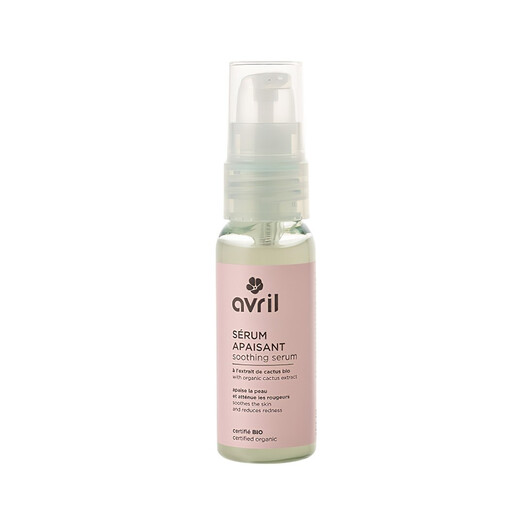
Why this choice suits this profile : Its lightweight texture and fragrance-free formula fit easily into a short routine, particularly if you want to try a soothing serum without adding too many active ingredients.
It avoids layering numerous active ingredients and contains no added fragrance. Testing it on a small area is still recommended before first use.
99 % ingredients of natural origin according to the product listing, with a Cosmos Organic-certified and vegan formula.
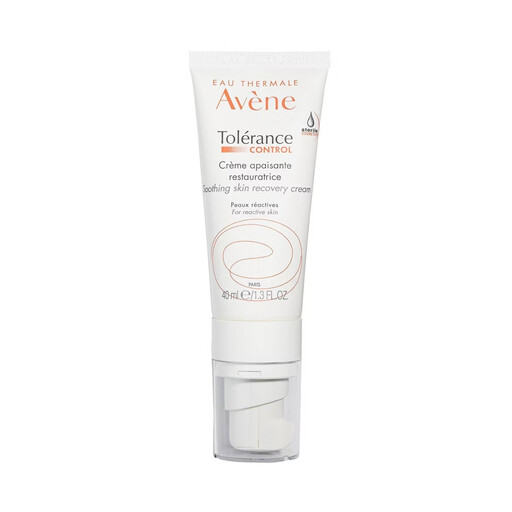
Why this choice suits this profile : This French cream is designed for those looking for a short, fragrance-free formula to support reactive normal to combination skin.
The formula does not rely on a long combination of targeted active ingredients, and its sterile packaging is described as free from preservatives and fragrance.
40 ml contents, with glycerine and squalane in the formula, and morning and evening application according to the product listing.
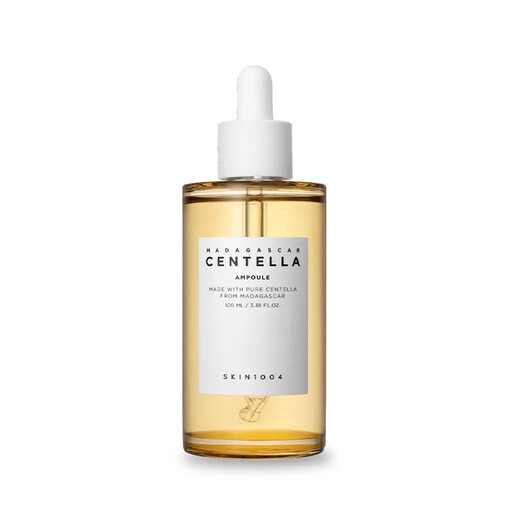
Why this choice suits this profile : Its generous size and fluid texture suit people who regularly use a hydrating ampoule or like to layer small amounts.
The formula focuses on centella asiatica extract rather than an accumulation of exfoliants or fragrance.
100 ml format, with glycerine, panthenol, hyaluronic acid and ceramide NP listed in the INCI ingredients.
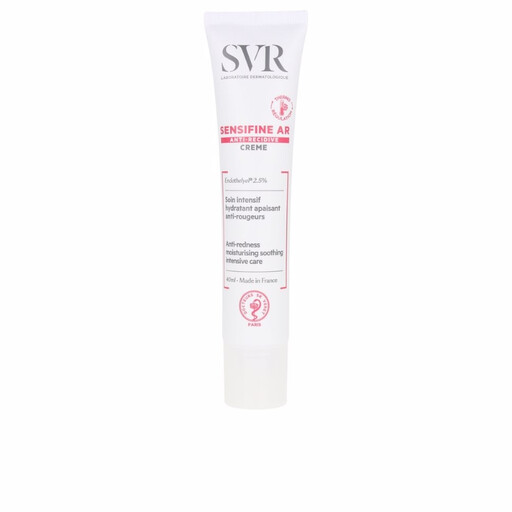
Why this choice suits this profile : Designed for the face and neck, its texture can be applied morning and evening, including under make-up, as part of a comfort-focused routine.
The product listing states that it has a fragrance-free formula and a non-greasy texture: two useful features when sensations of heat are frequent.
Contains glycerine, shea butter and squalane ; made in France.
We’ve put together a complete, real-time updated selection of products that meet these demanding criteria and European safety regulations.
In the morning, cleanse your face without rubbing, apply a serum or ampoule if needed, then a facial moisturiser for sensitive skin and sun protection. In the evening, remove your make-up and carefully cleanse away the products applied during the day. Then use your chosen targeted treatment, finishing with a barrier cream if your skin feels uncomfortable.
With a niacinamide serum, a centella asiatica treatment or a skincare product rich in extracts, start by applying it every other evening. Salicylic acid blemish treatments should be reserved for the affected areas if your skin tends to become dry. Do not apply any product to damaged skin and stop using it if a reaction persists.
Start with a hydrating formula containing glycerine, panthenol or hyaluronic acid, then apply a cream that helps limit water loss. A lightweight texture may be enough in the morning, while a more protective formula will often feel better in the evening.
Yes, as long as you introduce it gradually and watch for dryness or a burning sensation. Salicylic acid, denatured alcohol and fragrance may not be well tolerated by some skin types. Avoid combining several exfoliants at the outset.
Follow the symbol indicating the period after opening, as well as the date shown on the packaging. Close the bottle after each use and store it away from heat and light. Replace the product if its smell, colour or texture changes.