
Livraison le jour même ou le lendemain

Qualité garantie

Débloquez vos offres de bienvenue: Livraison GRATUITE | Jusqu'à -80 % | 30 jours d'essai gratuits à JoyPlus
Téléchargez l'application
Redness, tightness, dehydration, blemishes or discomfort after cleansing: choosing a sensitive face skincare product isn’t just about taking the promise on the bottle at face value. Reactive skin can also be dry, acne-prone, combination or weakened by certain treatments. The right product therefore depends on its formula, its texture and the purpose it’s intended for.
Before you give in to a soothing face cream or a calming serum, it’s worth knowing the most common mistakes.
A cooling texture or a strong fragrance can give an immediate feeling of comfort, without necessarily being suitable for reactive skin in the long run. Fragrances, essential oils and certain plant extracts are sometimes poorly tolerated. Every skin reacts differently: the full ingredients list remains your best point of reference.
Salicylic acid, AHAs, BHAs, PHAs, niacinamide or other exfoliating acids can address very specific concerns. However, layering them in the same routine risks increasing dryness and discomfort. If you have acne-prone skin, introduce just one anti-blemish product at a time and observe how your skin reacts.
“Hypoallergenic”, “natural”, “repairing” or “non-comedogenic” don’t excuse you from reading the ingredients list and usage instructions. A non-comedogenic cream can be too rich for combination skin, while a very light sensitive skin moisturiser may lack comfort for dry skin.
For a barrier repair skincare product, prioritise humectants and emollients such as glycerin, shea butter, squalane or certain plant oils. Ceramides and lipids can also complement a routine designed to reduce dryness and strengthen skin comfort.
For dry skin hydration, a cream or balm will generally be more enveloping than a gel. Combination or blemish-prone skin may prefer a light emulsion, an aqueous serum or a fast-absorbing cream.
An exfoliant like salicylic acid can be useful for blemishes. However, always follow the manufacturer’s instructions, test the product on a small area and protect your skin from the sun during the day.
If your skin reacts easily, check for the presence of fragrance, denatured alcohol, essential oils or fragrant allergens. The “fragrance-free” label is a useful guide, but it doesn’t on its own guarantee no reaction will occur.
Always apply the product to clean skin without rubbing. If redness, itching or irritation persists, stop using it immediately. Cosmetics are for external use only and do not replace medical advice.
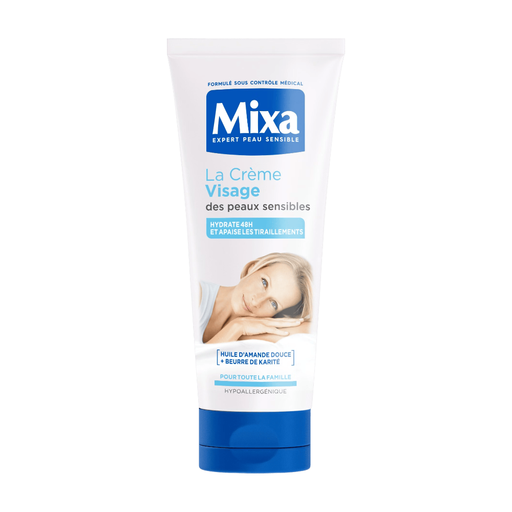
Why this choice suits this profile: its 100 ml size is ideal for a simple daily routine, morning and evening, especially after cleansing or shaving.
The formula and usage instructions are detailed, while the texture is described as non-greasy. A simple solution to avoid piling on serums and creams when you’re just starting out.
The composition includes glycerin, sweet almond oil, shea butter and vitamin E. Please note, however: the formula contains fragrance.
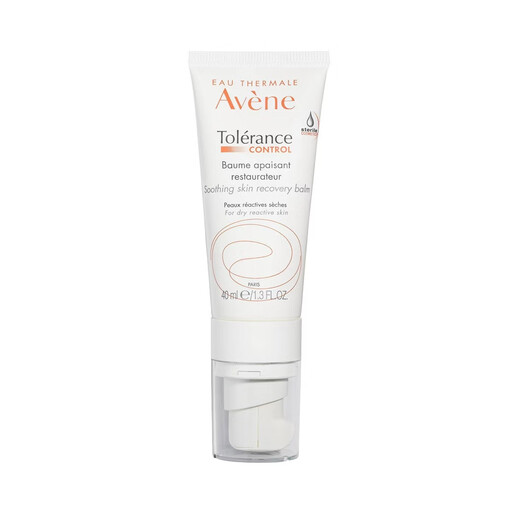
Why this choice suits this profile: this fragrance-free balm is designed for dry, reactive or intolerant skin seeking a nourishing texture for the face, neck and eye contour area.
The product page mentions a fragrance-free, preservative-free formula packaged in sterile packaging. A choice that limits certain ingredients often scrutinised by reactive skin.
The formula combines glycerin, squalane, shea butter and beeswax. At 40 ml, this balm is particularly suited to targeted, regular application.
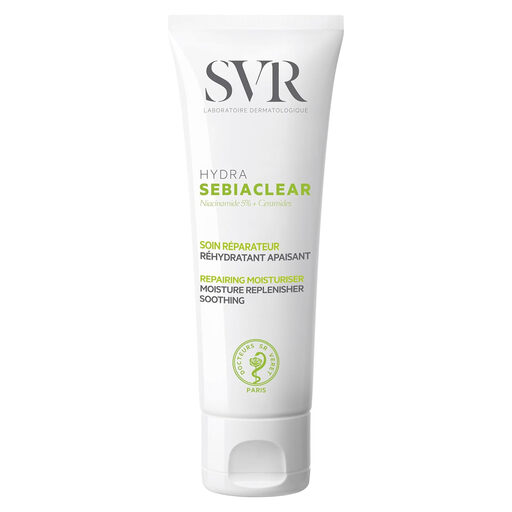
Why this choice suits this profile: this cream is designed for adults whose skin is dried out or uncomfortable as part of an anti-blemish routine.
Its light texture is combined with nourishing agents, and the product page states it is non-comedogenic. However, the presence of fragrance should be considered by the most reactive skin types.
The formula contains niacinamide, glycerin, shea butter and argan oil, among other ingredients. It can be applied morning and/or evening after cleansing.
We’ve put together a comprehensive, real-time updated selection of products that meet these exacting criteria as well as European safety standards.
If your skin is prone to blemishes, avoid combining an exfoliating serum, an active cream and a spot treatment all at once. The idea is to check each product’s tolerance and avoid unnecessary purchases.
Start with a light moisturiser, ideally non-comedogenic if that characteristic is stated. Then gradually add an anti-blemish product. Formulas based on salicylic acid or other exfoliating acids should be used according to the label, with sun protection during the day.
A serum offers a light texture and can boost hydration. A cream or balm provides a more protective step, particularly useful for dry skin hydration or when the skin barrier seems weakened. The two can be combined if your skin tolerates them.
Refer to the open jar symbol on the packaging, the batch number and the expiry date. As ingredient lists can change, always check the label on the product you receive. Store your product away from heat and light, and stop using it if its appearance, smell or texture changes.