
Livraison le jour même ou le lendemain

Qualité garantie

Débloquez vos offres de bienvenue: Livraison GRATUITE | Jusqu'à -80 % | 30 jours d'essai gratuits à JoyPlus
Téléchargez l'application
Redness, tightness, spots and post-acne marks can quickly make choosing cosmetics more complicated. A formula marketed as “powerful” may increase discomfort, while an overly rich cream can leave a greasy film or encourage shine. To choose skin care for sensitive and blemish-prone skin, check the ingredients, how the product is used and whether it is compatible with the products you already use.
A tingling or cooling sensation does not necessarily mean that a product is more effective. Denatured alcohol, fragrances, essential oils and certain acids may not be well tolerated by reactive skin. They do not necessarily need to be avoided altogether, but it is worth checking whether they are present before buying.
Combining an anti-blemish serum, an AHA/BHA/PHA exfoliant, a targeted treatment and an anti-dark-spot serum can quickly overload your routine. The result may be more redness, tightness and dryness. Instead, introduce just one new active at a time, leaving space between applications. This will make it easier to identify what your skin does — or does not — tolerate.
Dehydrated skin can become more reactive and may mark more easily after a blemish appears. Moisturising does not replace dermatological treatment, but a skin barrier-repair cream or soothing facial treatment can improve everyday comfort. Sun protection remains just as important, particularly if your routine contains acids.
For dry, reactive or uncomfortable skin, look in particular for ingredients such as glycerine, panthenol, ceramides, shea butter or hyaluronic acid. These are commonly used to support hydration and skin comfort, but they are not a medical guarantee.
If your skin reacts easily, start with a short ingredient list and avoid combining several fragranced products. Patch test the product on a small area before applying it all over your face.
Salicylic acid, gluconolactone, lactic acid and AHA/BHA/PHA combinations do not address exactly the same needs. These actives may help to smooth the skin’s texture or unclog pores, but they should be introduced gradually.
A cosmetic product must not be presented as a medical treatment for acne. If your acne persists, becomes painful or spreads, seek advice from a doctor or pharmacist.
A SPF50+ sunscreen should be applied generously and reapplied during prolonged exposure, after swimming or if you have been sweating. Consider the texture too: a lightweight lotion will sit more easily under make-up, while a rich balm may be better suited to dry skin.
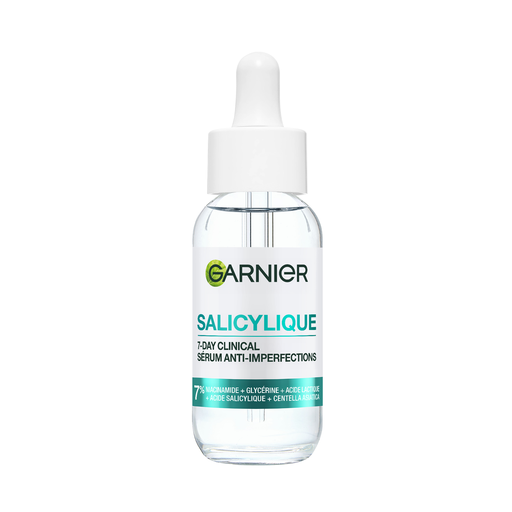
Why this choice suits this profile: Its 30 ml size is ideal for starting a targeted routine. Apply it to cleansed skin before your moisturiser.
The formula contains niacinamide, salicylic acid and lactic acid. Introduce it gradually rather than combining it straight away with other exfoliants.
A lightweight texture that absorbs quickly, with centella asiatica in the formula. According to the manufacturer’s information, it is intended for sensitive, blemish-prone skin.
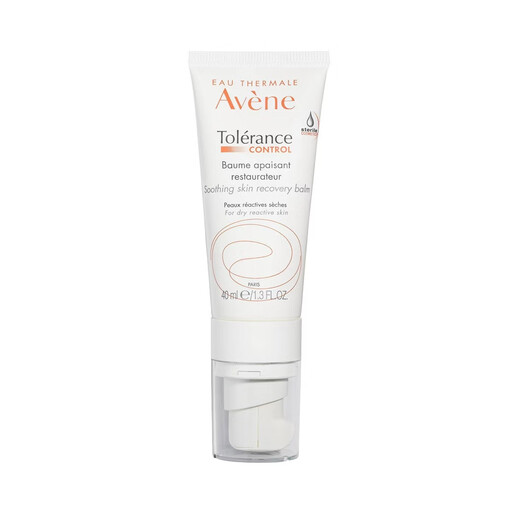
Why this choice suits this profile: Fragrance-free, this balm is designed for dry, reactive, intolerant or hypersensitive skin that benefits from keeping its routine to the essentials.
Described as free from fragrance and preservatives, its formula helps limit certain sources of overload when used as a basic moisturiser.
Shea butter, glycerine and squalane; sterile packaging according to the manufacturer’s information.
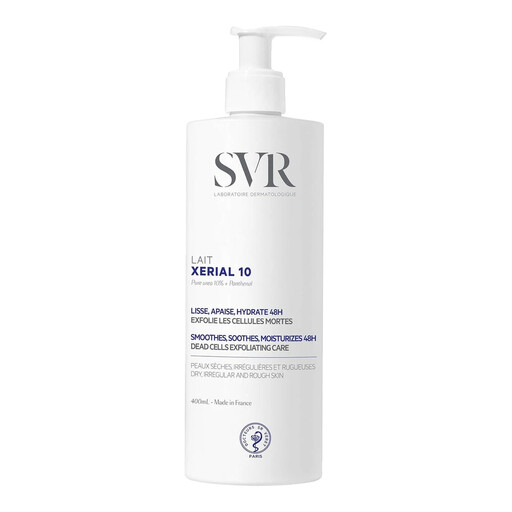
Why this choice suits this profile: Its large size is suitable for daily use on the body, particularly when hydrating dry skin is the priority.
With a claimed 10 % urea content and panthenol, this treatment is more than a simple fragranced lotion. According to the product information, apply it to the body once or twice a day.
400 ml; described as having a lightweight, non-greasy texture; shea butter and glycerine in the formula.
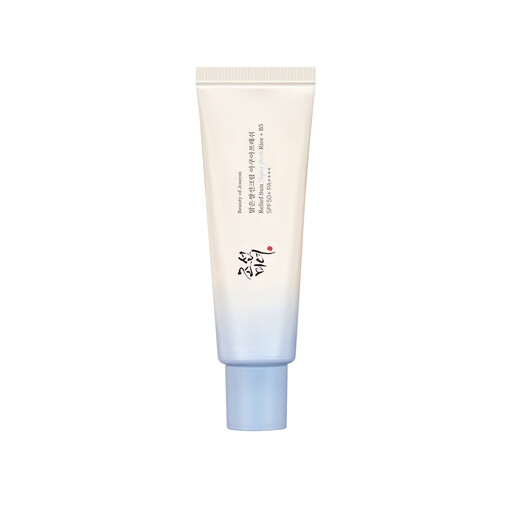
Why this choice suits this profile: Its fluid texture and 50 ml size fit easily into a morning routine, whether you are at work or out and about.
The product information states that it offers SPF50+ PA++++ protection and a no-white-cast texture. Apply generously and reapply during prolonged exposure.
Panthenol and rice water in the formula; described as leaving a fresh finish without any noticeable greasy residue.
Korean facial skin care products often focus on lightweight textures that layer easily. But “K-beauty” does not automatically mean better tolerance. Always check the INCI list, look for any fragrance and follow the usage instructions.
Yes, but start by spacing out applications and pair it with a suitable moisturiser. If your skin feels tight, flakes or becomes red, reduce the frequency and pause any other exfoliants.
Three or four products may be enough: a gentle cleanser, a moisturiser, an optional targeted active and sun protection in the morning. A lengthy routine is not necessarily more effective or better suited to your skin.
Sun protection is particularly useful when a product contains acids or targets marks. It does not replace advice from a healthcare professional, but it helps limit exposure to ultraviolet rays during the day.