Regular coffee drinkers
If you use your Senseo machine often, packs of 48 to 60 pods can mean fewer trips to restock. Compare the number of pods and the net weight before deciding how much to buy.


When buying coffee pods in bulk, first check that they’re compatible with your Senseo machine, then choose a quantity that suits how much coffee you drink. A large pack is best if everyone who’ll use it already enjoys that coffee profile and you can store the pods according to the pack instructions. Otherwise, several smaller packs let you try a wider variety of coffees.
If you use your Senseo machine often, packs of 48 to 60 pods can mean fewer trips to restock. Compare the number of pods and the net weight before deciding how much to buy.
A pack of 54 to 72 pods may suit you if everyone already enjoys a classic or strong coffee and you have a dry place to store them.
If several people use the machine, choosing a mix of mild, classic, strong or decaffeinated coffees means you won’t end up with a whole stock of just one recipe.
When stocking up on Senseo soft coffee pods, start with how much you drink, then check the coffee profiles and storage instructions.
| What to consider | What to check | Who it matters to |
|---|---|---|
| Stock quantity | Compare the number of pods and net weight of packs intended for the same use. | If you use the machine often, you’ll want to size your stock without buying lots of separate packs. Around 36% of consumers rank stock quantity as their top concern. |
| Compatibility and pack size | Look for a Senseo compatibility statement on the exact product, and choose a pack size that suits how much you drink. | If you own a Senseo machine, a large number of pods is no use if they don’t fit it or will sit unused for a long time. Compatibility and pack size are top priorities for around 29% of consumers. |
| Coffee profiles | Check the stated strength or recipe, particularly for classic, strong and decaffeinated coffees. | If several people share the machine, you may prefer to split your purchase between different tastes rather than choose just one profile. Around 21% of consumers prioritise this variety. |
| Storage and labelling | Check the date on the pack, its storage instructions and, for blends, the ingredients list. | If you plan to keep several packs, you’ll need to be able to store and use them as instructed. Around 14% of consumers put this information ahead of other criteria. |
Packs of 36, 48 or 60 pods don’t all contain the same amount of coffee. The number of pods alone doesn’t tell you the net weight either.
Check both details on each product before deciding how much to buy.
A large pack leaves little room to try other profiles if different people prefer different recipes.
Try a smaller pack first, or split your purchase between several profiles.
The word ‘capsule’ in a product title isn’t enough to confirm that it’s compatible with a Senseo machine.
Check the compatibility information on the exact product before ordering several packs.
A large stock means keeping track of the dates on the packs and the storage instructions for each product.
When your order arrives, check the packs and their dates, then use the ones with the nearest date first. For the Senseo pods concerned, follow the instruction to store them away from heat and moisture.
The Senseo soft coffee pod range includes classic, mild, strong and decaffeinated profiles. Depending on the product, Senseo France offers packs of up to 72 pods.
Some Carte Noire pods compatible with Senseo are labelled by strength, including Classique No. 5 and Corsé No. 7. A 60-pod pack is one of the products available.
This range of pods compatible with Senseo includes classic, mild, intense and decaffeinated profiles, with packs of 36, 48 or 60 pods depending on the products listed by Carrefour.
The range of pods compatible with Senseo listed by Auchan includes classic, strong and decaffeinated profiles, as well as packs of 36 and 60 pods.
The range listed by E.Leclerc includes classic and strong soft coffee pods in packs of 60, as well as other profiles in smaller sizes.
These pods for Senseo machines include classic and strong 100-pod packs, a classic 60-pod pack and smaller packs for trying a profile before buying more.
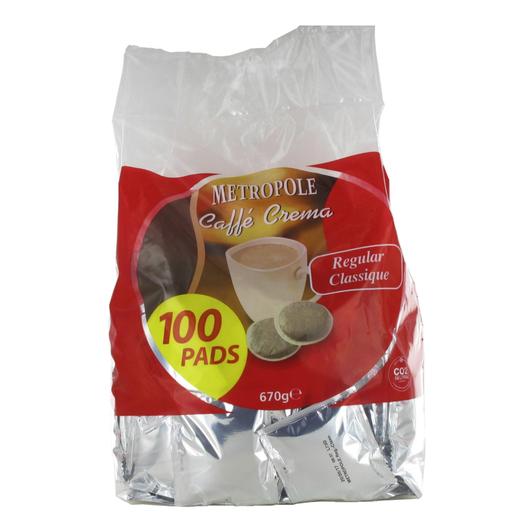 Image unavailable
This pack of classic coffee is for regular Senseo machine users who already know they enjoy this profile. The 100 pods are described as individually wrapped; check the net weight and dates on the packs before stocking up.
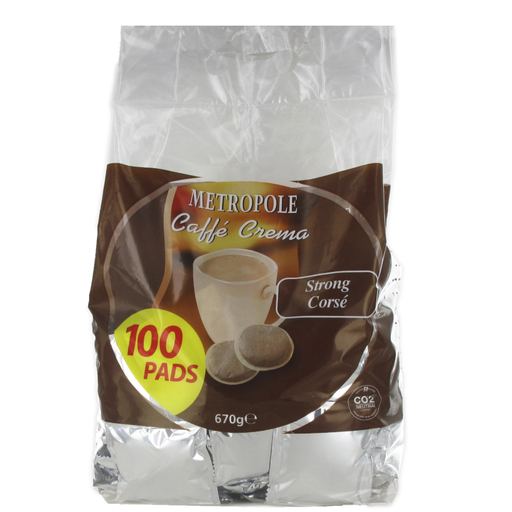 Image unavailable
This pack of 100 pods is a good choice if you want to stock up on a strong coffee for your Senseo machine. Check that regular users enjoy this taste, and read the dates and storage instructions on the packs supplied.
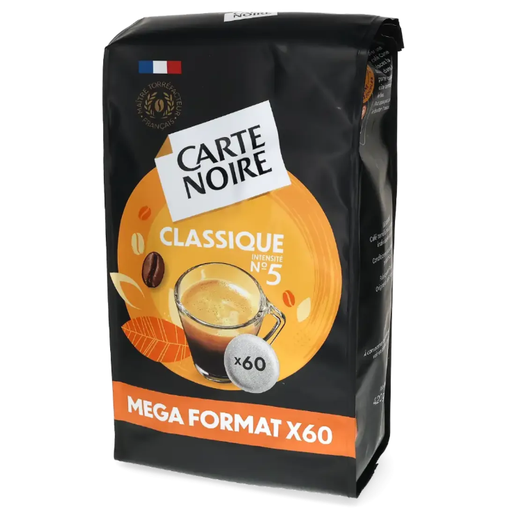 Image unavailable
This mid-sized pack is for coffee drinkers looking for the Classique No. 5 profile for their Senseo machine. It contains 60 pods; check the net weight and pack instructions to plan your stock.
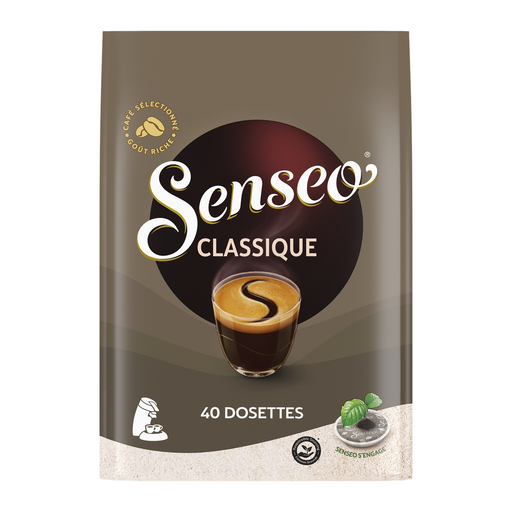 Image unavailable
This pack is a handy way to try a classic coffee or top up a modest stock before moving on to a larger size. Once opened, follow the storage instructions for this product, including keeping it away from heat and moisture.
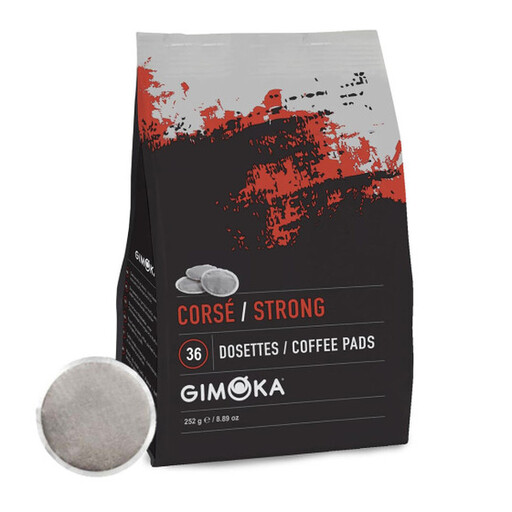 Image unavailable
This smaller pack lets you try a strong profile before buying a larger stock. It contains 36 pods compatible with Senseo; check the storage instructions and date on the pack you receive.
Look for ‘Senseo compatible’ or ‘for Senseo machines’ on the exact product. Don’t assume a product is compatible just because its name includes the word ‘capsule’: products for other systems may not be suitable.
Choose a quantity that suits how much you drink and a coffee profile people already enjoy. A pack of 48 to 60 pods can provide a useful mid-sized stock. Before choosing 72 pods or more, make sure you can store them as instructed.
Follow the instructions on the pack you receive. For the Senseo Classique product described by Joybuy France, the advice is to keep the pods in their original pack or an airtight container, away from heat and moisture.
Check the ingredients, listed allergens, net quantity and date on the product you’ve chosen, especially if you’re buying a mix of recipes. In France, the DGCCRF reminds consumers that food labelling must be legible and written in French at a minimum.