
Livraison le jour même ou le lendemain

Qualité garantie

Débloquez vos offres de bienvenue: Livraison GRATUITE | Jusqu'à -80 % | 30 jours d'essai gratuits à JoyPlus
Téléchargez l'application
Food semolina is available in several textures, made from different cereals and sold in a range of pack sizes. A packet labelled simply ‘semolina’ will not necessarily be suitable for making couscous, fresh pasta or a dessert. To make the right choice, it is better to consider the raw ingredient, grain size, allergens and storage conditions rather than relying solely on the claims made on the packaging.
Fine semolina is suitable for fresh pasta, certain pastries and thickening mixtures. Medium semolina offers more bite and is particularly suited to couscous, Mediterranean desserts and certain pasta recipes. Semolina that is too fine can produce compact couscous, while a grind that is too coarse may not always produce a smooth dough.
The wording 100% durum wheat clearly identifies durum wheat semolina, but it also means that the product contains gluten. People with allergies or intolerances should also check for possible traces of soya, egg, milk, mustard or other cereals.
Terms such as ‘natural’, ‘traditional’ or ‘premium’ are no substitute for reading the ingredients list. For organic semolina, look for the relevant certification logo on the packaging. For halal semolina, check for certification or an explicit statement from the manufacturer.
A 5 kg bag can be a good choice for a large family, a pasta-making workshop or a professional kitchen. However, you will need a dry storage area and an airtight container once the bag has been opened. Conversely, smaller packs help to minimise waste when semolina is only used occasionally.
Check the best-before date, make sure there is no moisture and inspect the seal on the packet. If stored incorrectly, semolina can clump together and lose some of its culinary qualities.
Fine semolina mixes quickly and is suitable for certain pasta dishes, creams and pastries. Medium semolina retains more of its structure and works well with couscous, grain salads and revani. For semolina intended for pasta, the protein content can be checked in the nutritional table, although it is not by itself a guarantee of the result.
For polenta, the grind and cooking time play an essential role. A coarse grind generally requires longer cooking and produces a more pronounced texture.
For a meal intended for a baby from 8 months, check in particular:
A baby semolina porridge or a milk-based preparation should not be confused with ordinary semolina intended for the whole family. The manufacturer’s recommendations shown on the packaging always take precedence. If you are unsure about introducing a food, ask a healthcare professional for advice.
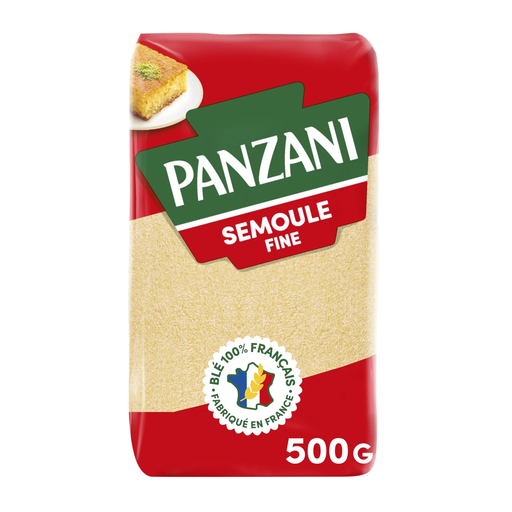
Why this choice suits this profile : its 500 g pack lets you try fine semolina without taking up too much cupboard space. It is suitable for homemade pasta, bread and certain sweet recipes.
The ingredients clearly identify it as durum wheat semolina. The label also states that it contains gluten.
An easy-to-try pack size, a composition of 100 % durum wheat semolina according to the product information, and storage in a dry place.
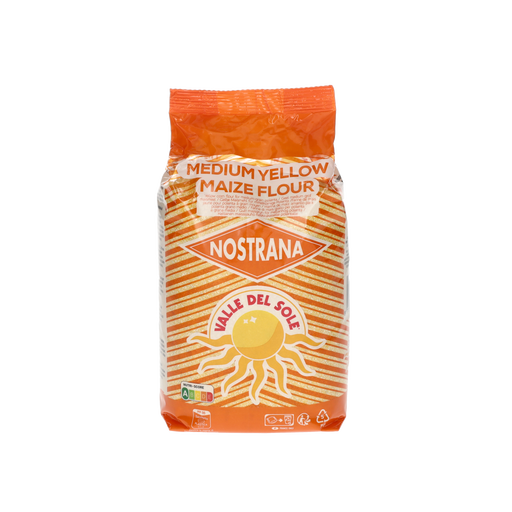
Why this choice suits this profile : fans of Italian cuisine can prepare a creamy polenta, then leave it to cool before grilling, baking or frying it in a pan.
The product information specifies that this is coarsely ground yellow maize, rather than wheat semolina incorrectly sold as polenta.
A composition stated as 100 % yellow maize, a 1 kg bag and a specified cooking time of 40 to 50 minutes.
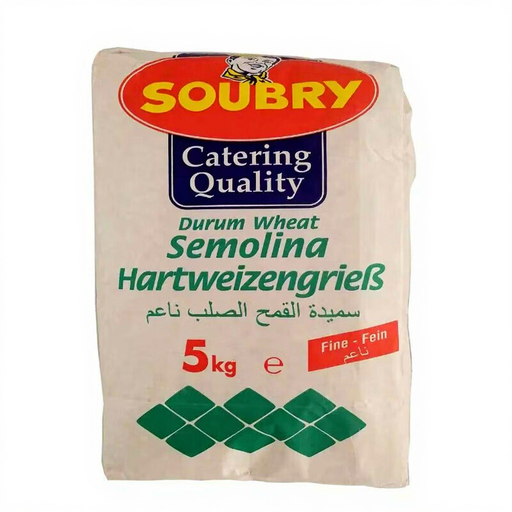
Why this choice suits this profile : its 5 kg pack meets the needs of a family that cooks frequently, a pasta-making workshop or a regular catering business.
The net weight is clearly stated and the ingredients are limited to durum wheat semolina. However, make sure you have an airtight storage container ready after opening.
A fine grain size, a composition of 100 % durum wheat according to the product information, and a stated protein content of 11.2 g per 100 g.
For a family couscous dish, medium semolina for couscous, such as SAMIA Medium Semolina in a 1 kg bag, can be suitable for salads, side dishes and North African recipes. The product information states that it is made from 100 % durum wheat semolina and contains gluten.
Households with young children may prefer ready-to-serve portions, such as Blédina Blédiner Carrot Sweet Potato Semolina, sold as two 200 g bowls. The product information mentions reconstituted milk, carrots, sweet potatoes and 5.7 % cooked durum wheat semolina. The product is presented as a complementary dinner from 8 months. Always check the current labelling, allergens and recommended age before use.
For a sweet recipe, the Babybio Semolina with Cocoa or Babybio Vanilla Semolina Porridge Bottle portions are made with whole milk and 4 % durum wheat semolina, according to the product information. They therefore contain milk and gluten. After opening, follow the refrigeration requirements and consumption period stated on the packaging.
Cassava gari is intended for a different use. Afroase Yellow Gari Semolina is gradually mixed with hot water to produce a dough served with soup or sauce. This product is not a direct substitute for couscous semolina.
We have brought together a complete selection, updated in real time, of products that meet these strict criteria and European safety requirements.
Medium durum wheat semolina is generally preferred for a texture that is both grainy and light. However, check the preparation instructions on the packet: grain size and the pre-cooking process can vary from one product to another.
Fine semolina for pasta, often made from durum wheat, mixes more easily with water and eggs. The PANZANI Fine Semolina product information states that it can be used for pasta, bread and desserts. Its gluten content must of course be taken into account.
Store it in a cool, dry place away from direct light. For larger packs, transfer it to a clean, airtight container. Always follow the date shown on the packaging and check for any unusual smell, moisture or signs of infestation before use.