
Livraison le jour même ou le lendemain

Qualité garantie

Débloquez vos offres de bienvenue: Livraison GRATUITE | Jusqu'à -80 % | 30 jours d'essai gratuits à JoyPlus
Téléchargez l'application
Adding greenery to a balcony, terrace, or outdoor space is an exciting project. The self-watering planter then emerges as the go-to solution: less watering, healthier plants... at least on paper. In reality, the market is flooded with models making tempting promises that often disappoint in practice. Certain design flaws only become apparent after a few months, turning a great purchase into a real headache.
To avoid falling into the trap, here are the three most common pitfalls that can ruin the durability and effectiveness of your setup:
This guide will help you decode the spec sheets to make the right choice and invest in a product that is as functional as it is durable.
For a successful setup, a few technical points need close attention. This is what separates a short-lived gadget from a long-term investment.
The choice of material is crucial for the longevity of your outdoor flower box. While plastic (polypropylene) models are lightweight and easy to maintain, their quality varies dramatically.
The key advantage of a self-watering planter is its autonomy. But for it to be effective, the system must be flawless.
The ideal planter should adapt to your space and your needs.
To illustrate these criteria in action, here are a few models that meet specific needs.
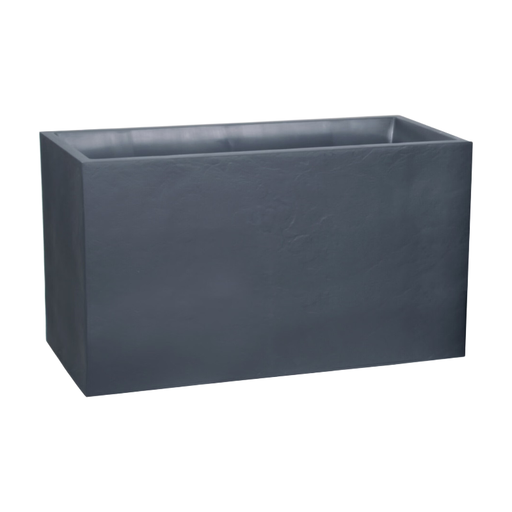
Why we chose it: Perfect for creating a true green partition on a terrace or large balcony. Its generous volume and stone-effect design make it as structural as it is decorative.
Its double-walled design provides excellent thermal insulation, sidestepping the pitfall of plastic that cracks in the frost. The integrated water-retention system ensures a constant and controlled water supply.
Its very large volume (116 litres) and "trough" design are perfect for defining spaces. French-made and certified "Origine France Garantie".
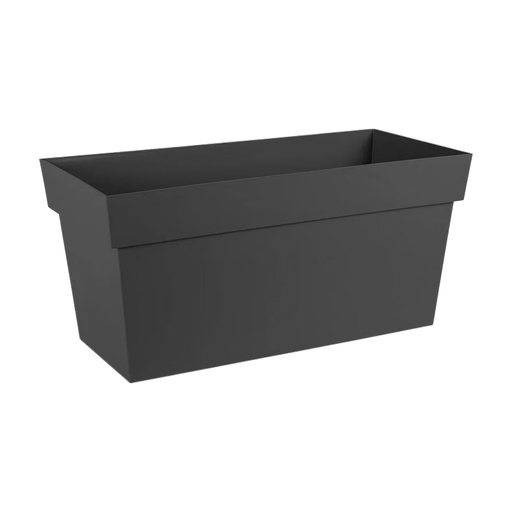
Why we chose it: For those seeking flexibility on a balcony or small terrace. The winning combination—good capacity, efficient irrigation, and castors—makes it an ultra-functional choice.
It avoids the "illusory mobility" trap thanks to integrated castors sized for its 74 L volume. The spout and drainage grid make the reservoir system both practical and reliable.
The excellent balance between size, mobility, and features. The material is UV-treated and frost-resistant, ensuring good outdoor durability.
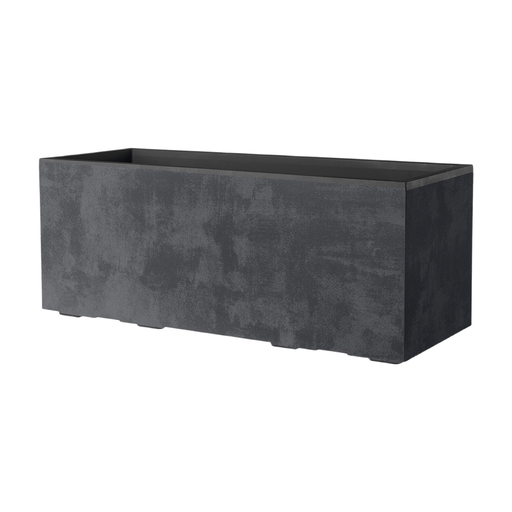
Why we chose it: Ideal for fans of clean design who want to create a harmonious look. This model combines contemporary aesthetics, well-thought-out features, and an eco-conscious approach.
Made from recycled and recyclable materials, it is treated against frost and UV rays, thus avoiding the low-durability trap. Its removable plug allows for precise drainage control and prevents root rot.
Its design pairs easily with other pots in the range for a cohesive look. The castors and removable drainage plug make it highly versatile for both indoor and outdoor use.
Discover our full selection of products that meet our quality criteria and current standards.
The principle is simple: the bottom of the planter houses a reservoir that you fill with water. A drainage grid separates this reservoir from the soil. Water then gradually draws up to the roots via capillary action, either through direct contact or via fabric wicks or clay cones. This system ensures constant hydration without the roots sitting in water.
Yes, provided you choose a quality model. Look for "frost-resistant" or "frost-proof" labels and opt for double-walled models for optimal insulation. Before the first frost, ensure the drainage (overflow) hole is open. This allows rainwater to escape so it won't freeze in the planter, which could cause it to crack.
On a balcony, two factors are crucial: weight and footprint. Check the maximum load your balcony structure can support. Opt for plastic planters, which are much lighter than terracotta or concrete. A planter on castors is an excellent choice for moving it effortlessly. In terms of volume, a 40 to 80-litre planter is often a good compromise for annual flowers, herbs, or even a small shrub.