
Same-day & Next-day Delivery

Quality Guaranteed

Unlock Your Welcome Offers: FREE Delivery | Up to 80% OFF | Free 30-day JoyPlus trial
Download the APP
The promise of a self-watering planter is tempting: thriving plants, less frequent watering, and peace of mind, even when you're away. However, the market is flooded with models whose lofty claims evaporate after just one season. To prevent a smart purchase from turning into a costly disappointment, it's crucial to know how to avoid the most common pitfalls.
A brand-new planter that cracks at the first frost or whose colour fades to a washed-out grey after one summer: it's a classic story. These setbacks aren't inevitable. They almost always stem from three design flaws, cleverly hidden behind flashy marketing:
Knowing how to spot these weak points is the first step toward a smart, long-lasting purchase.
To avoid these pitfalls, focus on a few technical specifications that make all the difference. These are the true guarantors of your future planter's quality and longevity.
The choice of material is crucial for an outdoor planter. Modern polymers, including those made from recycled materials, perform very well, provided they are properly treated. Look for these two features on the label:
Some models, like the double-walled planter, add a layer of thermal insulation. This design protects the roots from temperature shocks, whether during summer heatwaves or winter frosts.
An effective self-watering system is based on a simple principle: a reservoir at the bottom of the pot, separated from the soil by a grid, allows the roots to draw water up via capillary action. For it to be truly functional, check three things:
The shape and size of your planter should match your project. A trough planter is perfect for defining a space or creating a green privacy screen on a patio. A large flower pot will showcase a shrub or an impressive floral arrangement. For balconies and other small footprints, a compact balcony planter is the way to go.
Neutral colours like an anthracite planter are very trendy: they blend easily with contemporary decor and make the green of the foliage pop.
Rather than an endless catalogue, here is a selection of products that check all the boxes, designed for specific uses.
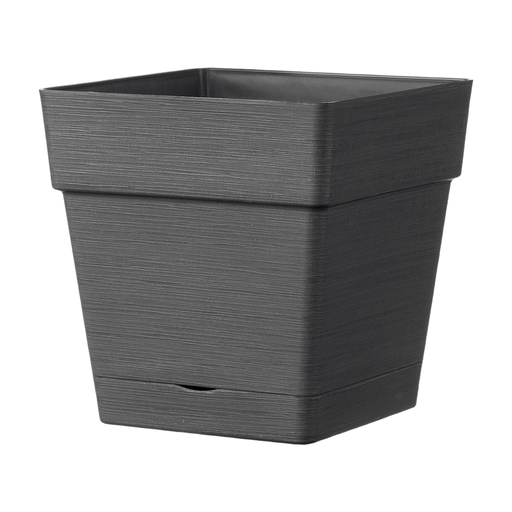
Why we love it: Its compact, square shape is perfect for urban balconies and small patios where every square inch is precious. Ideal for creating clean, structured layouts.
Made from recycled polymer, it's treated to be frost and UV resistant. No more cracks or fading—it's built to last.
Its modern design and well-conceived water reservoir simplify maintenance. A real bonus for busy city dwellers.
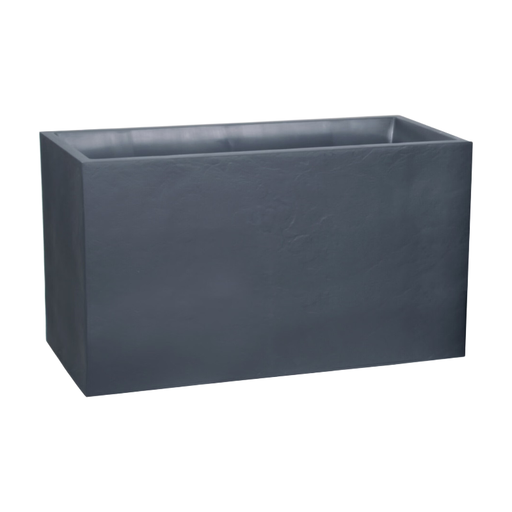
Why we love it: With its XXL 116-litre capacity and "low wall" design, this model is perfect for creating a plant-based divider, defining a patio, or housing small shrubs.
Its double-walled design perfectly insulates roots from frost and heatwaves alike. The Origine France Garantie (Made in France) label and UV-resistant treatment are solid guarantees of quality and longevity.
Its massive capacity and design allow you to create a true landscaping feature. The water retention area is perfectly integrated and functional.
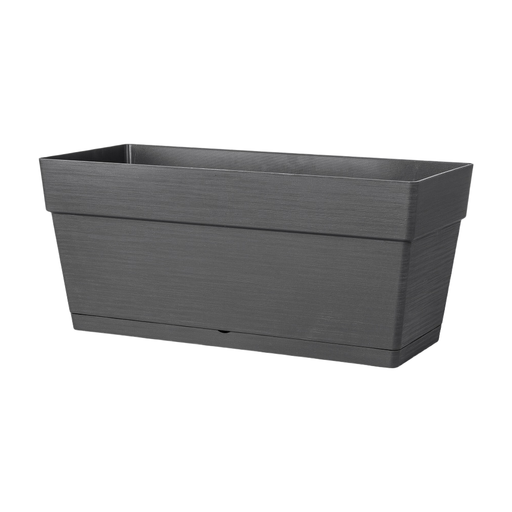
Why we love it: This model is the perfect compromise between a comfortable size and a sleek design. Its rectangular shape and anthracite colour make it a chic, versatile piece for a patio, along a wall, or even indoors.
Made from recycled and recyclable materials, it's also ultra-resistant to frost and UV rays. The smart choice that combines durability with an eco-conscious approach.
The perfect balance of contemporary aesthetics, functionality, and an eco-friendly approach, all without sacrificing durability.
Discover our full selection of products that meet our strict criteria.
For outdoor use, it's essential: make sure the overflow hole is drilled and clear. This will allow excess rainwater to drain away. Without it, freezing stagnant water could put pressure on the walls and crack the planter, even if it's designed to be frost-resistant.
A quality planter with a good UV-resistant treatment can retain its colour and structural integrity for many years, easily 5 to 10. In contrast, low-end models without this protection can lose their colour and become brittle in just one or two seasons.
This system is ideal for the majority of flowering plants, vegetables, or small shrubs that appreciate consistent moisture. However, be careful: for plants that hate "wet feet" (like succulents, cacti, and Mediterranean plants), it's better to manage watering manually and let the soil dry out completely between waterings.