
Livraison le jour même ou le lendemain

Qualité garantie

Débloquez vos offres de bienvenue: Livraison GRATUITE | Jusqu'à -80 % | 30 jours d'essai gratuits à JoyPlus
Téléchargez l'application
Decorating your balcony, patio, or garden with beautiful plants is a joy, but maintenance can quickly become a chore. The self-watering outdoor planter promises simplified watering and thriving plants. But be warned: not all products are created equal, and marketing traps are common. To avoid buyer's remorse, it's crucial to know how to decode labels and steer clear of unnecessary expenses.
Here are the 3 most common mistakes when buying, and how to avoid them:
To make an informed purchase, forget the advertising slogans and focus on objective technical features. Here are the three points to inspect closely.
The longevity of an outdoor flower pot depends primarily on its material. Most models are made of polypropylene (PP), a lightweight and affordable plastic. However, for outdoor use, ensure it has received a UV-resistant treatment. Without this protection, colours, especially the very popular anthracite grey, will fade in a single summer, and the plastic will become brittle.
To better protect roots from thermal shock (summer heat and winter frost), a double-walled pot is a major plus. This structure creates an insulating layer of air that regulates the soil temperature. Finally, a truly frost-resistant flower pot must have drainage holes or an overflow system to evacuate excess water, which would cause the container to burst when it freezes. It's a matter of physics.
A high-performance water reservoir system is much more than just a tray at the bottom of the pot. It must include several essential components:
This type of system makes perfect sense for a balcony planter or a patio pot, where water management is more challenging than in the ground.
External dimensions don't tell the whole story. The criterion that truly matters is the usable volume in litres. This determines the vital space the roots will have to develop. For shrubs or large floral arrangements, a large flower box should offer a volume of at least 50 to 100 litres. Always check this information on the product's technical sheet to ensure it meets your plants' needs.
To help you see these criteria in action, here are a few models that meet specific needs while avoiding common pitfalls.
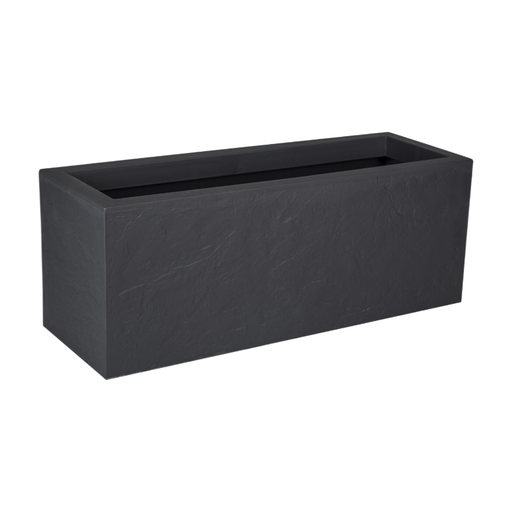
Key features: Its rectangular shape and 25 L volume are perfectly calibrated for small spaces. We love its modern stone-imitation design and its trompe-l'?il collar, which add a decorative touch without the bulk of a true double wall.
Its water retention zone is designed for capillary watering, preventing the risk of root rot—a common problem with basic systems.
It combines a stylish design (stone-effect planter) with functionality designed for balconies, backed by certified French manufacturing.
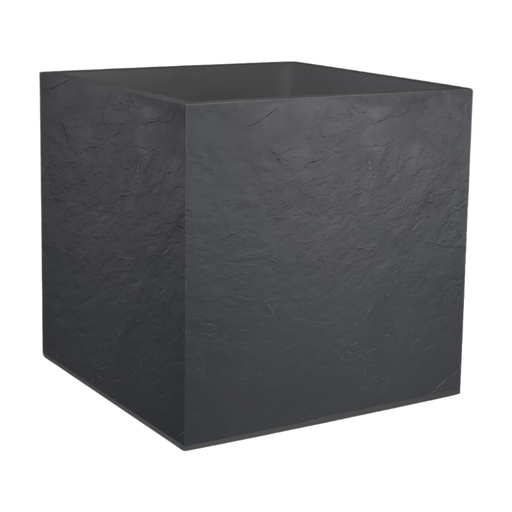
Key features: Perfect for defining spaces or housing shrubs with its generous 57 L volume and square shape. Its double-walled pot design is a true guarantee of thermal insulation to protect roots in any season.
This goes beyond the simple "frost-resistant" label. The double wall provides real, measurable protection against thermal shock—a technical argument that fully justifies its year-round use.
Its large volume and excellent thermal insulation. Its modularity is also a plus for creating harmonious arrangements with other pots from the same range.
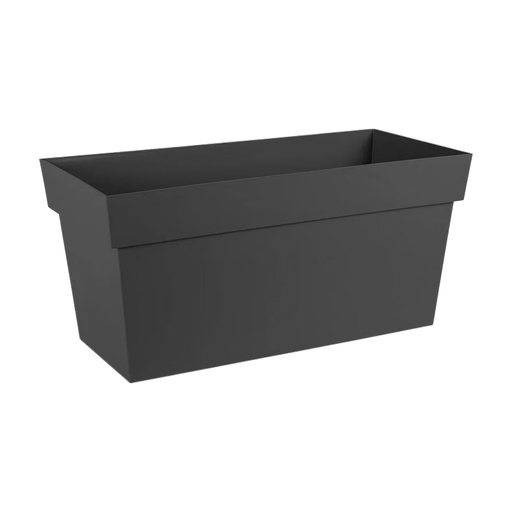
Key features: This planter on wheels tackles the headache of moving large containers. With its 74 L capacity, it's perfect for creating a green wall or planting large specimens without locking in your patio layout.
It anticipates the problem of weight, a detail often overlooked at the time of purchase. Once filled with damp soil, a 74 L container becomes impossible to move. The integrated wheels are not a gimmick, but a pragmatic solution.
Its very large capacity (74 L) combined with effortless mobility thanks to the wheels. The water reservoir system is well-designed, with a grid and pouring spout.
Discover our full selection of products that meet our strict specifications and current standards.
Yes, it's imperative. Water left in the reservoir will freeze, and as the ice expands, it will exert enormous pressure on the walls. This is the surest way to crack a pot, even one labelled "frost-resistant." Good products are equipped with a drainage plug or an overflow that should be opened before the first frost.
The double wall traps a layer of air between the outer wall and the one containing the soil. This air acts as a thermal buffer. In summer, it protects the roots from overheating when the pot is in direct sunlight. In winter, it delays the frost from reaching the core of the root ball. This is a considerable advantage for the survival of perennial plants.
It all depends on the quality of the plastic and its exposure. A good polypropylene model with a serious UV-resistant treatment can last 5 to 10 years without losing its colour or becoming brittle. Conversely, an entry-level, untreated pot might be ready for the bin after just one or two summers in the sun.