
Livraison le jour même ou le lendemain

Qualité garantie

Débloquez vos offres de bienvenue: Livraison GRATUITE | Jusqu'à -80 % | 30 jours d'essai gratuits à JoyPlus
Téléchargez l'application
A self-cleaning automatic cat litter box can lighten your daily cleaning routine and is especially handy in a multi-pet household. However, not all models meet the same needs: size, type of litter accepted, ease of access, waste bin capacity or Wi-Fi compatibility can turn a great idea into a regrettable purchase.
Before choosing an automatic cat litter box, here are the main pitfalls to avoid and the criteria to examine.
A capacity of 70 or 95 litres usually refers to the internal volume of the drum, not the amount of waste it can store. To estimate the real autonomy, look separately at:
A large capacity can be appealing for a litter box for multiple cats, but it doesn't let you off emptying the drawer or regularly replacing the litter.
A bulky unit isn't necessarily suitable for a large cat. Check the width of the entrance, its height and the supported weight range. Older cats, large breeds or animals with short legs may prefer a low entrance or a ramp.
Models with sensors can also be inaccurate with very lightweight kittens. Stick to the limit stated in the manual and supervise the first few uses.
A smart cat toilet can record your cat's weight, how often it visits or how long it spends inside. This data can help spot an unusual change, but it is in no way a substitute for veterinary advice. The analysis features offered by some apps should therefore be seen as tracking tools, not as a medical diagnostic device.
For a single cat, a waste bin of 7 to 10 litres can space out emptying, depending on your cat's habits. In a multi-cat household, it's better to go for a larger drawer, an easy-to-replace bag system and an alert when the compartment is nearly full.
Promises of 14 to 17 days of autonomy are only estimates: they depend on the number of cats and how often they use the box. Even a large-capacity automatic litter box needs regular maintenance: removing residue, adding or replacing litter and periodic cleaning.
Most of the models featured here work with clumping litter. Some accept bentonite, tofu or certain blends, while non-clumping mineral litter and crystals may be incompatible. This point directly affects how the sieve works and how clumps form.
Before buying, also check the maximum fill level. Too much litter can disrupt the drum's rotation or throw off the weight measurements.
A connected litter box with an app must be placed on a hard, flat, stable floor. Weight sensors need a perfectly positioned base to give consistent readings. Depending on the model, safety relies on infrared, weight, proximity or motor overload sensors.
However, no device removes the need for careful installation. Keep the cable away from water and chewing, unplug the unit before any thorough cleaning and never immerse its electronic base in water. To reduce odours, choose a closed drawer, a suitable seal, a filter or a replaceable deodoriser. It's the combination of these elements and regular maintenance that makes an anti-odour litter tray genuinely pleasant to use every day.
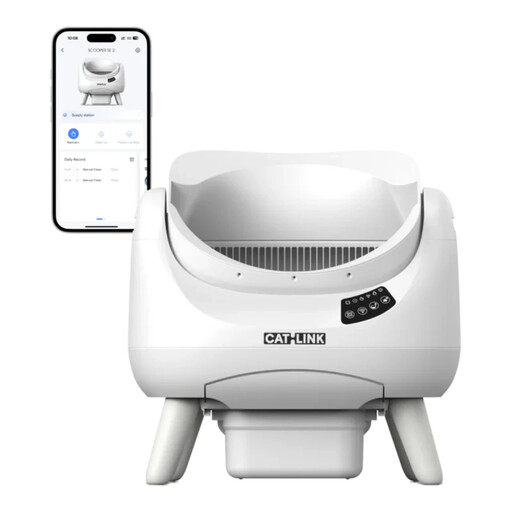
Why this choice suits this profile: With its listed price of 199,99 € and its closed 12-litre waste tank, this model can be a good first option for a flat.
The stated weight range of 1.5 to 10 kg, together with the open interior, makes it easy to check whether it suits your cat's size.
Individual identification for up to 20 cats, dedicated app and anti-slip mat included.
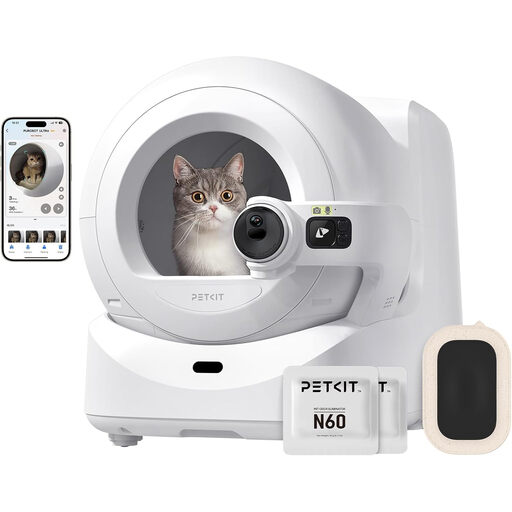
Why this choice suits this profile: Its 180° rotating camera and 10-litre waste bin are aimed at users who want to view more data in the app.
The waste bin capacity is clearly separated from the internal volume, making it easier to estimate how often you'll need to empty it.
Multi-cat recognition, viewable images in the app and enclosed waste storage.
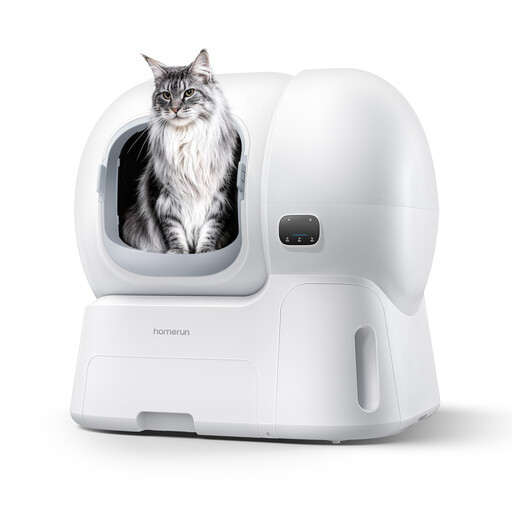
Why this choice suits this profile: Its stated volume of 106 litres and automatic refill system are designed for households with several cats or a large pet.
The product page distinguishes the 8-litre litter reservoir from the waste compartment and notes that it must be placed on a stable floor.
Automatic litter refill, self-cleaning operation and stated compatibility with a cat weighing up to 11.3 kg.
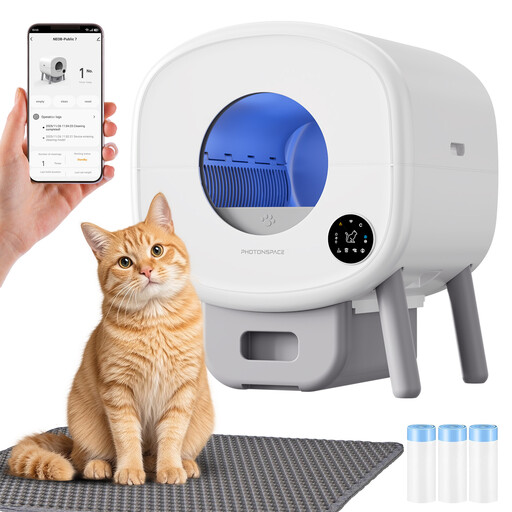
Why this choice suits this profile: Its 95-litre internal space and 15-litre waste drawer are designed to reduce how often you need to intervene in a busy household.
The product page confirms compatibility with clumping litter and states that the unit must sit on a hard, flat, stable surface.
Wi-Fi 2.4 GHz app, weight and proximity sensors, enclosed waste storage.
We've put together a comprehensive, real-time updated selection of products that meet these demanding criteria and European safety standards.
Yes, some models include individual recognition and separate tracking for each animal. However, check the supported weight range, the drum volume and the waste drawer capacity. With several cats, a second standard litter tray can also remain useful to avoid relying on a single unit.
On top of the purchase price, you have clumping litter, bags, compatible filters or deodorisers, plus electricity consumption. A large bin can reduce how often you need to empty it, but proprietary consumables may push up the cost. Check their availability and price before ordering.
Its lifespan depends on build quality, usage and maintenance: cleaning the sensors, avoiding overloading, sticking to the recommended litter type and replacing consumables. If it breaks down or makes an unusual noise, stop the unit, unplug it and contact customer service.