
Livraison le jour même ou le lendemain

Qualité garantie

Débloquez vos offres de bienvenue: Livraison GRATUITE | Jusqu'à -80 % | 30 jours d'essai gratuits à JoyPlus
Téléchargez l'application
Self-adhesive wallpaper can transform a wall, cupboard door or splashback without glue or major renovation work. However, some purchases can quickly become disappointing: a roll that is too narrow, a pattern that is difficult to align, adhesive that is incompatible with the surface, or a finish advertised as washable that cannot actually withstand abrasive products.
Before choosing self-adhesive wall wallpaper, a PVC wall covering or a decorative wall panel, it is worth keeping three common pitfalls in mind.
A 44 × 305 cm roll covers approximately 1.34 m², but cutting around sockets, skirting boards and corners reduces the usable area. To cover a feature wall, measure its width and height, then add an allowance for trimming. Patterns that require matching can also result in more waste.
Repositionable wallpaper, also known as peel and stick wallpaper, adheres best to smooth, flat, clean and dry surfaces. Textured, dusty, damp or freshly painted walls can cause bubbles, peeling or marks. If you are renting, always test a small piece in an inconspicuous area and check the terms of your tenancy agreement.
A PVC finish can generally be cleaned with a damp cloth. That does not necessarily mean it can withstand constant exposure to water, intense steam or a heat source. For a self-adhesive splashback, check the product information carefully and leave sufficient space between it and the hob. Abrasive cleaning products can dull or damage the print.
Take measurements in centimetres, rather than relying solely on the stated coverage. A 44 × 305 cm roll is better suited to a decorative strip, a return wall, a door or a small area behind a shelf. For a longer wall, a 44 × 508 cm model can reduce the number of joins.
30 × 30 cm panels make calculations and cutting easier, but their joints will remain visible if the alignment is not precise. At a minimum, have a sharp blade, a ruler and a squeegee — or, failing that, a rigid card.
Vinyl PVC provides an easy-wipe surface and is suitable for many DIY wall decoration projects, provided that the surface is compatible. It can also be used as self-adhesive furniture film on a cupboard front, an internal door or a varnished wooden panel.
3D PVC panels add depth and a striking geometric effect, while a printed wall covering focuses mainly on colour and pattern. Always check the composition: wallpaper without adhesive, for example, requires a suitable paste and is not installed in the same way as a self-adhesive model.
This method is accessible even to beginner DIY enthusiasts. However, large walls, multiple corners and vertical patterns require extra care.
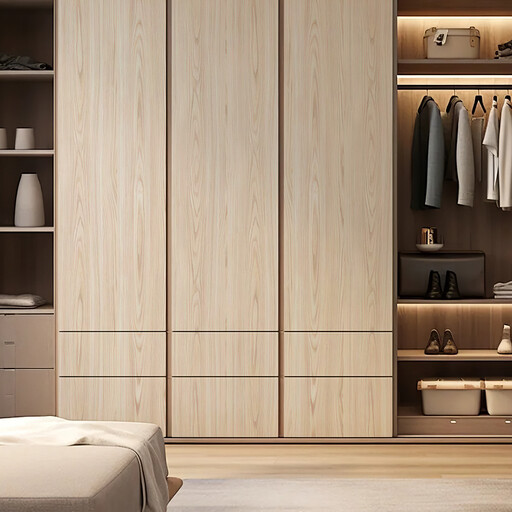
Why this product suits this profile : At 60 cm wide, with stated coverage of approximately 1.83 m², this roll is suitable for a small hallway, a piece of furniture or part of a wall. Its light wood grain pairs easily with white walls and understated furniture.
The dimensions and PVC material are clearly specified. It is designed for installation on a smooth, flat, clean and dry surface, reducing the risk of choosing an unsuitable substrate.
60 × 305 cm roll, self-adhesive film, easy care with a damp cloth and suitable for doors, cupboards and varnished wooden panels.
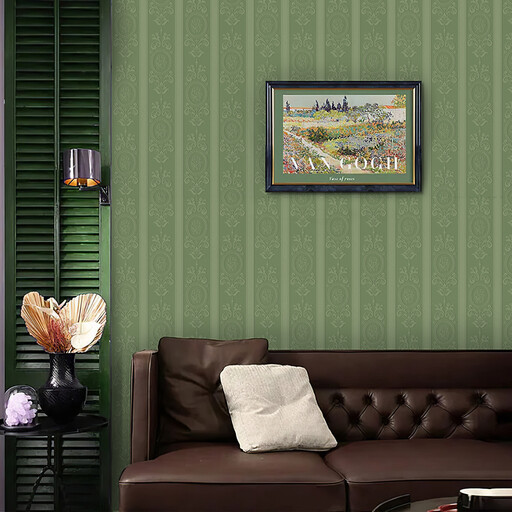
Why this product suits this profile : Its soft green vertical pattern adds rhythm to a feature wall. Its generous length reduces the number of joins across a larger surface.
The 508 cm length limits the number of joins compared with a shorter roll. Gradual application and precise vertical alignment are still essential.
Stated coverage of approximately 2.24 m², wipe-clean vinyl PVC and a vertical pattern suited to a living room, bedroom or hallway.
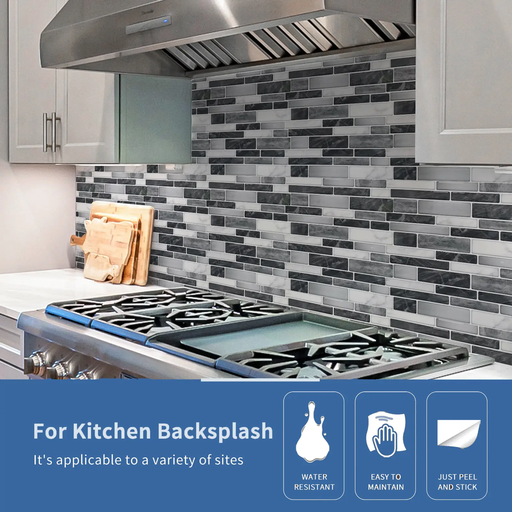
Why this product suits this profile : This tile format is suitable for a self-adhesive splashback, a targeted wall area or a phased kitchen and bathroom renovation.
The pack size and stated coverage of approximately 0.9 m² make it easier to calculate how many you need. Installation is limited to smooth, level surfaces.
30 × 30 cm tiles, a vinyl surface stated to resist moisture and stains, and easy cutting without mortar or additional adhesive.
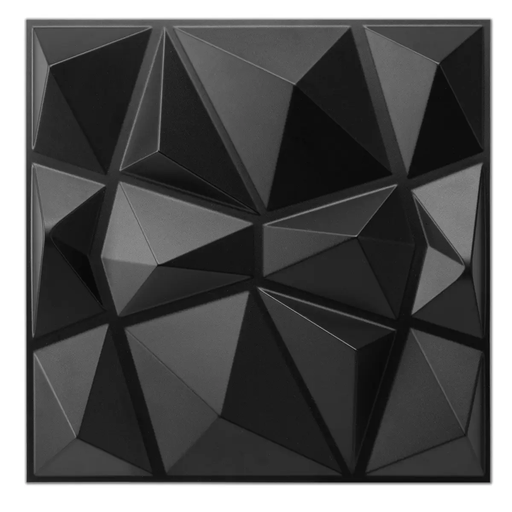
Why this product suits this profile : The 33 panels, each measuring 30 × 30 cm, can be arranged to create a graphic black feature wall in a living room, office or indoor professional space.
These panels are installed with adhesive or silicone, not as self-adhesive wallpaper. Knowing the difference helps you prepare the project correctly.
33 panels, stated coverage of approximately 2.97 m², rigid PVC and a raised diamond pattern for structured wall décor.
We have brought together a complete, real-time selection of products that meet these demanding criteria, while complying with European safety regulations.
Before you begin, check that the product is suitable by testing it on a small area. Do not cover a damp, flaky or heavily textured wall. In a bathroom, choose dry areas and avoid direct exposure to water when the product information does not permit it.
To preserve the appearance of the covering, use a soft, slightly damp cloth. Avoid scouring sponges, solvents and abrasive products. During installation, also keep backing films, blades and offcuts out of children’s reach.
It can be a good option for temporary decoration, but removal depends on the type of paint, the condition of the wall and the strength of the adhesive. Test it in an inconspicuous area and never apply it to freshly painted walls. Depending on the property, you may need the landlord’s permission.
Its lifespan depends on surface preparation, humidity, temperature fluctuations and friction. A clean, dry and smooth wall helps it stay in place for longer. The edges and joins are the areas that require the closest attention.
Yes, some models are designed to be installed over tiles. However, deep grout lines, dust and raised areas can reduce adhesion. Clean, dry and smooth the surface if necessary, then check the manufacturer’s recommendations before covering the entire area.