
Livraison le jour même ou le lendemain

Qualité garantie

Débloquez vos offres de bienvenue: Livraison GRATUITE | Jusqu'à -80 % | 30 jours d'essai gratuits à JoyPlus
Téléchargez l'application
Self-adhesive wallpaper appeals to renters, DIY wall décor enthusiasts and anyone wanting to transform a wall, door or piece of furniture without reaching for a tub of paste or taking on major work. But a beautiful photo alone is not enough to choose a design that is genuinely right for your interior.
Three pitfalls come up time and again:
Before ordering, measure the area carefully, check the condition of the surface and look at the product’s composition rather than focusing solely on the pattern.
PVC or self-adhesive vinyl wall covering generally has a smooth surface that is easy to clean with a damp cloth. It works well in areas exposed to minor dirt: hallways, furniture, children’s bedrooms or around a desk.
That does not necessarily mean it is designed for direct contact with water. In a bathroom, restrict its use to dry areas and follow the manufacturer’s recommendations. Keep it away from significant heat sources, flames and surfaces that regularly become hot.
If you prefer a more matt finish and a texture closer to paper, some non-adhesive designs may also be suitable. However, they require suitable paste and a more traditional installation method.
A 44 × 305 cm roll covers approximately 1.34 m², or 14.4 square feet. This size is suitable for a small area: the back of a shelving unit, the side of a TV cabinet, a cupboard door, part of a headboard or a narrow section of wall.
For a larger surface, 44 × 508 cm rolls cover approximately 2.24 m², while a 60 × 305 cm design covers approximately 1.83 m². A longer roll can reduce the number of joins, but it requires particularly careful preparation.
Always allow extra material for cutting around sockets, skirting boards and corners. With a repeating pattern, buy enough rolls from the same reference to minimise any possible differences in shade or print.
Peel-and-stick wallpaper should be applied gradually:
Do not remove the entire backing film in one go: the material could fold back on itself. Also test it on a discreet area, particularly on recently painted surfaces, varnished wood or a surface whose compatibility is uncertain. This precaution is especially important in rented accommodation, as ease of removal depends on the condition and type of paint.
The designs below are suited to different uses. The features mentioned come from the product listings available at the time of selection.
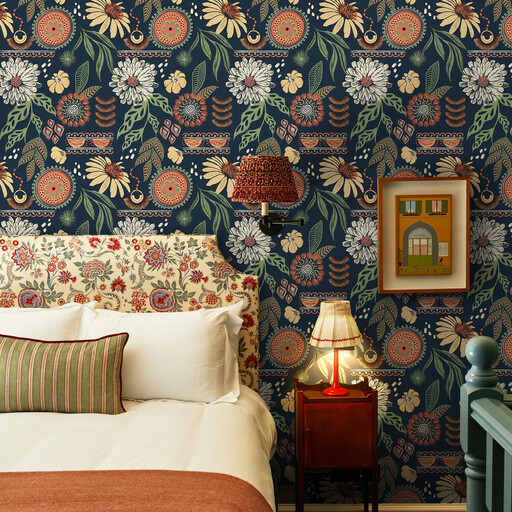
Why this choice suits this customer profile : With approximately 1.34 m² of coverage, this size is well suited to a first, focused project, such as the back of a bookcase, an alcove or a small section of wall.
The coverage area is clearly stated, while the grid on the back makes measuring and cutting evenly much easier.
Self-adhesive PVC vinyl, wipe-clean surface and deep blue pattern suitable for the living room, bedroom or home office.
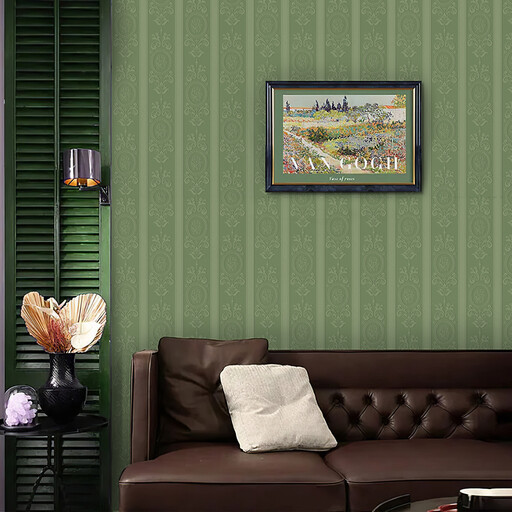
Why this choice suits this customer profile : With approximately 2.24 m² of coverage, this longer roll is ideal for a feature wall where you want to minimise visible joins.
Its length reduces the number of joins when installed vertically, provided the first drop is positioned correctly.
Vertical green pattern inspired by Rococo, washable PVC vinyl and glue-free installation on a smooth surface.
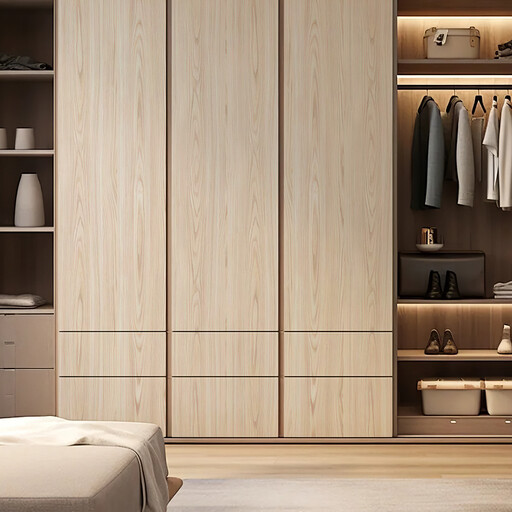
Why this choice suits this customer profile : Its 60 cm width and stated coverage of approximately 1.83 m² make it easier to refresh doors, chest-of-drawers fronts and furniture panels.
The detailed dimensions help prevent you from choosing a roll designed for furniture when you actually need to cover an entire wall.
Light honey wood effect, easy-wipe PVC surface and a grid on the back for even cutting.
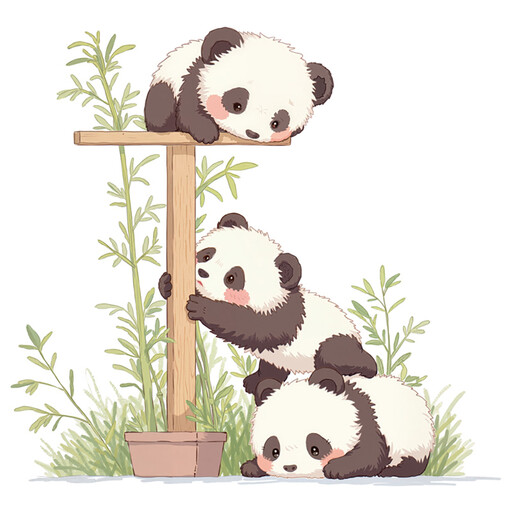
Why this choice suits this customer profile : These decorative wall stickers let you personalise a bedroom or play corner without covering the entire wall.
You are buying targeted décor rather than an amount of wallpaper that would be difficult to use effectively on a small surface.
Pattern featuring three pandas, with self-adhesive application for creating personalised wall décor.
We have brought together a complete, real-time selection of products that meet these demanding criteria, as well as European safety standards.
Preparation has a direct impact on the final result. Remove dust from the surface with a lint-free cloth, eliminate any greasy marks and allow it to dry completely. On furniture, make sure the varnish or paint is not flaking.
For floral, animal or wood-effect patterns, lay the drops out on the floor first so you can plan how the design will continue. A busy pattern, such as floral wallpaper, often requires greater precision when matching the joins. With wood-effect wallpaper, keep the grain running in the same direction across the entire surface.
To remove bubbles, use a soft squeegee or a card wrapped in fabric. When cleaning, avoid abrasive products and use a slightly damp cloth instead. Unless the manufacturer explicitly states otherwise, self-adhesive films are not intended for floors, ceilings or surfaces exposed to excessive moisture.
It can be a good option for temporary décor, but “removable” does not necessarily mean risk-free on every surface. Test it in an inconspicuous area and check the returns policy or manufacturer’s instructions before covering a large wall.
How long it stays in place depends on the PVC or vinyl used, the quality of the adhesive, how well the wall was prepared, the temperature and the humidity level. A smooth, dry and clean surface promotes better adhesion. The edges and joins must be firmly smoothed down.
This is generally not recommended. Raised areas prevent the film from adhering evenly and encourage bubbles or lifting. On a textured wall, plan suitable preparation first or choose another decorative solution.