
Livraison le jour même ou le lendemain

Qualité garantie

Débloquez vos offres de bienvenue: Livraison GRATUITE | Jusqu'à -80 % | 30 jours d'essai gratuits à JoyPlus
Téléchargez l'application
The self-adhesive photo album seems like the perfect solution for preserving our most precious memories. No more messy glue or fiddly photo corners. You just lift a film, place your photos, smooth it down, and you're done. But this apparent simplicity often hides a host of problems: warping film, adhesive that yellows photos, and covers that deform after just a few months.
Before entrusting your precious memories to the first album you find, it's best to know how to avoid the most common pitfalls. This guide will help you recognise a quality self-adhesive photo book and make the right choice with confidence.
The market is flooded with options, but they are far from being created equal. Here are the two most common issues that can turn your creative project into a real headache.
To ensure your album stands the test of time without damaging your photos, there are three technical points to watch closely.
The core component is the self-adhesive pages. Look for the "acid-free" label. This is the gold standard for photo archiving, guaranteeing that the paper won't yellow or damage your prints. The adhesive itself must strike the right balance: strong enough to hold photos securely, yet forgiving enough to allow for gentle repositioning during layout, all without leaving any residue. Finally, the transparent film should be flexible and thick enough to be repositioned easily without creating unsightly bubbles.
A large photo album will naturally give you more freedom to mix and match formats, add handwritten captions, or create original compositions. Before buying, check the usable page dimensions (the actual adhesive area). A format of 23?x?27?cm, for example, allows you to comfortably fit up to four 10x15 cm photos per page, or to mix things up by using different sizes. If you're looking for a customisable photo album, a generous format is simply essential.
The cover isn't just an aesthetic detail; it's the first line of defence for your memories. A rigid cover, made of thick cardboard or covered in fabric, will withstand handling and the hazards of storage much better than a simple softcover. The binding is just as crucial. A stitched binding or industrial-grade glue ensures that the pages won't come loose, even after countless viewings. Reputable brands like Kodak often offer models with bindings designed to last.
To help you make sense of it all, here are a few models that tick all the boxes, each suited for a specific purpose.
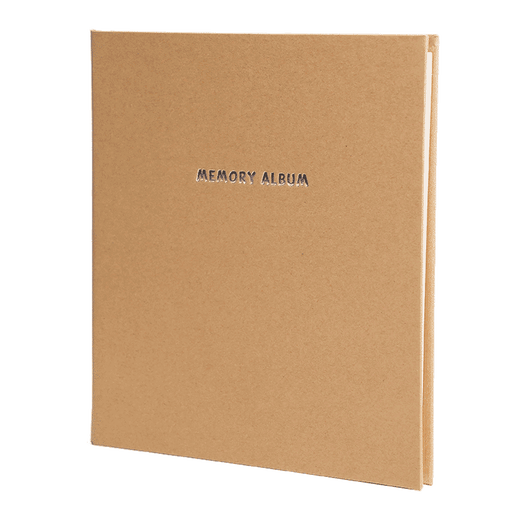
Why it's a great fit: Perfect for those who love a natural aesthetic and enjoy adding notes, drawings, or small keepsakes alongside their photos. The kraft paper cover can be customised to your heart's content.
The protective film is designed to be lifted and repositioned multiple times without losing its stickiness. No more frustration from a film that won't adhere after one try!
Rigid cover and a raw look for an authentic feel. It offers great creative freedom, both on the pages and on the cover itself.
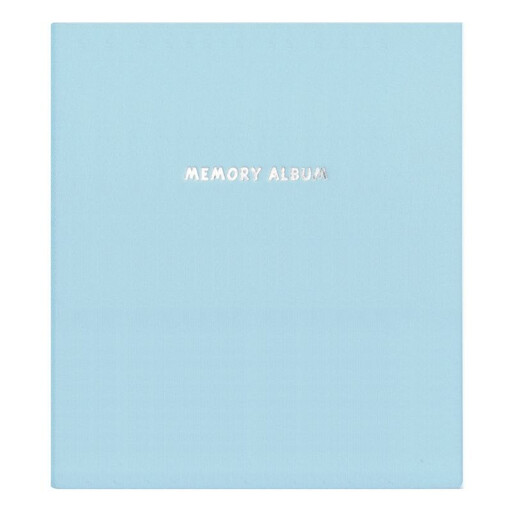
Why it's a great fit: Perfect for archiving family memories (holidays, births, weddings) for the long haul. Its understated yet durable fabric cover will look at home on any bookshelf.
Its sturdy binding and rigid cover prevent the album from warping over time, a common flaw that exposes photos to moisture and dust.
Long-term protection thanks to the fabric cover and the adhesive film that shields photos from dust and scratches.
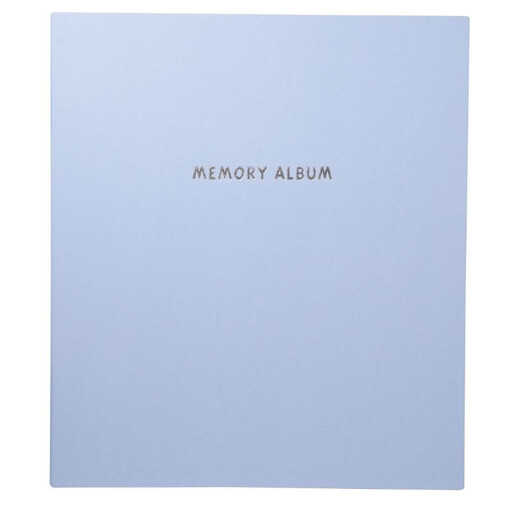
Why it's a great fit: Its elegant and versatile blue colour makes it a foolproof choice for a gift, whether for a trip, a birthday, or a new baby. A present that's both personal and high-quality.
The quality of the adhesive allows the recipient to create their album stress-free, avoiding the frustration of air bubbles or photos that peel off.
Sleek and modern design. Its 23.5 x 27 cm format offers a generous capacity (up to 80 10x15 cm photos), enough to create a truly comprehensive gift.
We have curated a complete selection of products that meet our quality criteria and current standards.
Yes, most high-quality albums allow for it. The trick is to lift the protective film very gently and carefully peel off the photo. Be aware that this flexibility has its limits. It's best to avoid repeating the process more than two or three times on the same spot to avoid compromising the page's adhesive power.
This is the main risk with entry-level albums. To avoid it, always check that the album specifies "acid-free" paper and adhesive. This certification guarantees professional archival quality and prevents chemical reactions that could cause the colours of your prints to fade over decades.
On a large photo album with pages around 23?x?27?cm, you can typically place two photos in landscape (horizontal) format or up to three in portrait (vertical) format, while still leaving some space between them. If you're aiming for the maximum capacity of four photos, be aware that they will be very cramped, leaving little room for customisation or captions.