
Livraison le jour même ou le lendemain

Qualité garantie

Débloquez vos offres de bienvenue: Livraison GRATUITE | Jusqu'à -80 % | 30 jours d'essai gratuits à JoyPlus
Téléchargez l'application
Even in our all-digital age, nothing replaces the joy of flipping through a photo album. A self-adhesive photo album isn't just a binder: it's the treasure chest for our memories, an object to be cherished and passed down. But be warned—choosing the right one is a crucial decision. Between marketing promises and the actual quality of products, you can easily end up with an album whose pages turn yellow, whose glue dries out, or worse, which ends up damaging your precious photos.
To help you avoid this disappointment, our editorial team has analyzed the market. Let's skip the technical jargon and get straight to the point: here are the pitfalls to avoid and the essential criteria for a successful purchase.
The market is flooded with options, but not all are created equal. Certain manufacturing defects can turn your creative project into a total fiasco.
To avoid these pitfalls, here are the key technical details to scrutinize.
The secret to a successful customisable photo album? Flexibility. Opt for pages that allow you to reposition your photos multiple times without losing adhesion or leaving sticky residue. A good adhesive should hold photos firmly in place while still giving you room for error. Also, consider the background colour of the page (white, black, or kraft), which greatly influences the mood of your creation.
Before you buy, take a moment to assess your needs. A large photo album will give you more freedom to create original layouts, mixing different print sizes and decorations. Check the total capacity, usually indicated by the number of pages or the number of standard-sized photos it can hold. For example, an album for 80 10x15?cm photos is a versatile classic, perfect for holiday memories or family gatherings. Also, remember to check the album's dimensions (e.g., 23.5 x 27 cm) to make sure it will fit on your bookshelf.
The cover and binding are the backbone of your album. A rigid ("hardcover") cover is almost essential for optimal protection against dust, moisture, and impacts. Fabric or thick kraft paper covers are an excellent compromise between style and durability. As for the binding, it must be designed to handle the weight of photos and scrapbooking supplies without buckling.
To help you bring your projects to life, here are a few options that meet different needs, all while adhering to the quality criteria we've just discussed.
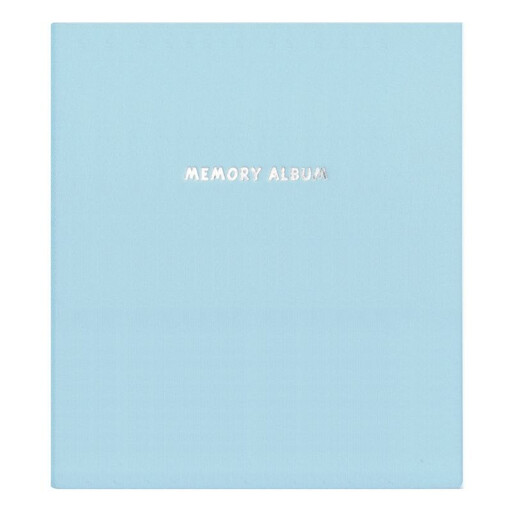
Why we love it: Perfect for immortalising a major event like a wedding or a birth. Its green fabric cover gives it a simple and refined touch that looks stunning on a bookshelf.
Its hardcover and solid binding guarantee excellent durability over time. The adhesive film is designed to protect photos from dust and fading, while still allowing for repositioning.
Its 20 pages can hold up to 80 10x15 cm photos, giving you plenty of room to unleash your creativity and vary your layouts.
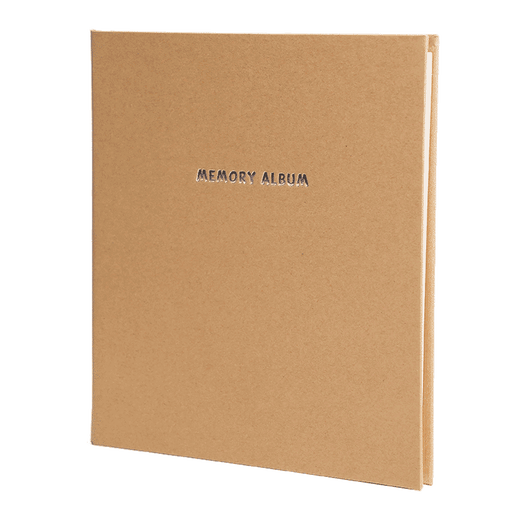
Why we love it: For fans of a raw, authentic style, this is the perfect choice. Its kraft paper cover is a true blank canvas to decorate, draw on, or label for a 100% personalised album.
Don't let its minimalist look fool you: its structure is just as rigid and its binding just as solid as other models. The adhesive film provides the same high-quality protection.
Its immense potential for customisation. It's the perfect foundation for a scrapbooking project where the cover becomes a work of art in itself.
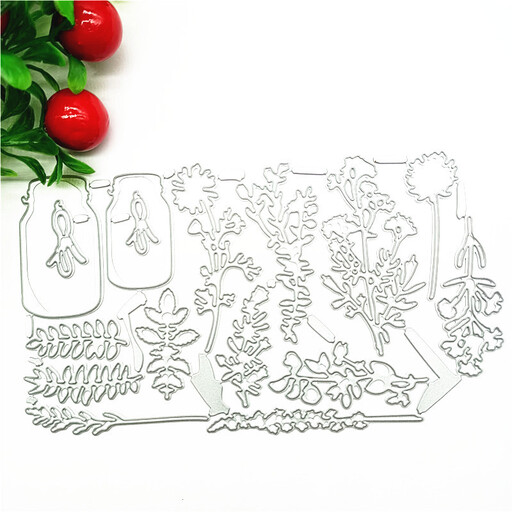
Why we love them: To take your project to the next level! These metal cutting dies allow you to create borders, frames, and other paper decorations for a truly unique album.
By using quality materials, you can create decorations that won't damage your photos or your album. These dies ensure clean, precise cuts, posing no risk to your creations.
Limitless creativity. Paired with a Kodak photo album, they allow you to control your project from start to finish, from the photos to the final touches.
We have curated a complete range of albums and accessories that all meet our quality standards.
Yes, it's possible, but with the right tool! To write next to your photos directly on the page, opt for a fine-tipped permanent marker designed for smooth surfaces. This will prevent the ink from smudging under the protective film. Another trick is to write on pretty paper labels, which you can then stick into the album.
This is the number one fear, and it's a valid one. The old albums our parents had used aggressive glues that yellowed and damaged prints. Rest assured: today, reputable manufacturers like Kodak use "acid-free" adhesives that are chemically neutral and designed to preserve your photos for decades. One common-sense tip still applies: avoid storing your album in direct sunlight or in a humid room.
It all depends on your creativity! By maximising the space, a 20-page album (23.5 x 27 cm format) can hold up to 4 10x15 cm photos per page, for a total of 80 photos. But for a more spacious layout with captions and decorations, it's more realistic to aim for 2 to 3 photos per page, which means 40 to 60 pictures for the entire album.