
Livraison le jour même ou le lendemain

Qualité garantie

Débloquez vos offres de bienvenue: Livraison GRATUITE | Jusqu'à -80 % | 30 jours d'essai gratuits à JoyPlus
Téléchargez l'application
An accent wall in the living room, a stick-on splashback in the kitchen or a DIY wall feature in the bedroom can transform a room in just a few hours. Self-adhesive 3D PVC wall panels are popular because they’re easy to install without major work, lightweight and available in finishes that mimic wood, stone and brick, as well as geometric patterns.
Some marketing claims are worth looking at more closely, though. Here are the points to check before you buy, plus a selection of styles suited to different home improvement projects.
A panel described as ‘waterproof’ or water-resistant may be suitable for a kitchen, bathroom or utility room without being able to withstand constant contact with water. Several models are specifically not recommended for shower areas, floors or outdoor use.
Before choosing a waterproof wall panel, check the usage limitations on the product page. A surface that resists splashes is easy to clean, but it’s no substitute for properly installed tiles with suitable waterproofing.
No adhesive can work miracles on a dusty, greasy, damp or uneven surface. On a rough or crumbly wall, the edges may peel away and the joins may become visible.
Before installation, clean and dry the surface thoroughly, and remove any dust. To avoid unwelcome surprises, test a small area and check that the panels are compatible with the existing paint or wall covering.
A 30 × 30 cm panel covers around 0.09 m². However, cutting around sockets, corners and skirting boards inevitably creates some waste. Measure the width and height of the wall, then allow extra for offcuts and any mistakes during installation.
PVC is lightweight, easy to clean and suitable for a wide range of home improvement projects. Some models combine PVC with EVA for added flexibility. At 3 mm thick, they’re still easy to cut with scissors or a craft knife, while providing plenty of definition.
Rigid PVC panels have a firmer structure, making them a particularly good choice for geometric wall panels and contemporary feature walls. However, they may need additional glue or silicone, unlike self-adhesive models.
There are two main types:
If you’re renting, a removable model can be particularly handy. However, remove it gradually, using a little warm air if needed, to reduce the risk of pulling off the paint.
Always compare the total area covered by each pack. Ten 30 × 30 cm panels cover around 0.9 m², while a pack of 33 panels in the same size covers nearly 2.97 m², according to the product pages in question.
For everyday cleaning, a slightly damp cloth is usually all you need. Avoid abrasive products, scouring pads and high temperatures. In a kitchen, keep the panels at least 30 cm away from a hob, stove or fireplace, as recommended by the manufacturer.
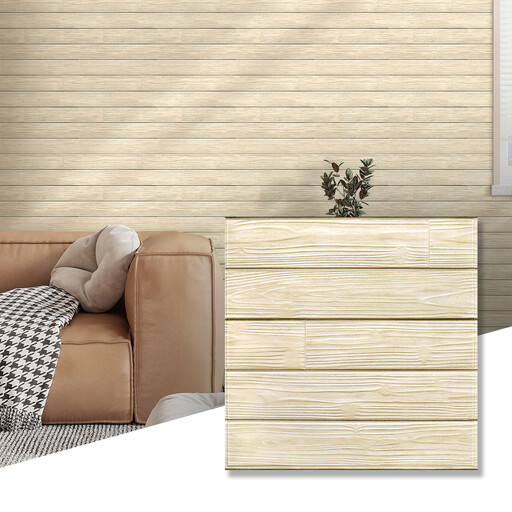
Why this suits you: Their 30 × 30 cm size, self-adhesive backing and wood-effect texture make them a great choice for your first DIY wall project in a bedroom, living room or hallway.
The stated coverage is clear: 10 panels cover around 0.9 m². The product also sets out its limitations, including that it must not be used in a shower.
PVC and EVA construction, 3 mm thick, can be cut with scissors or a craft knife, and can be wiped clean with a damp cloth.
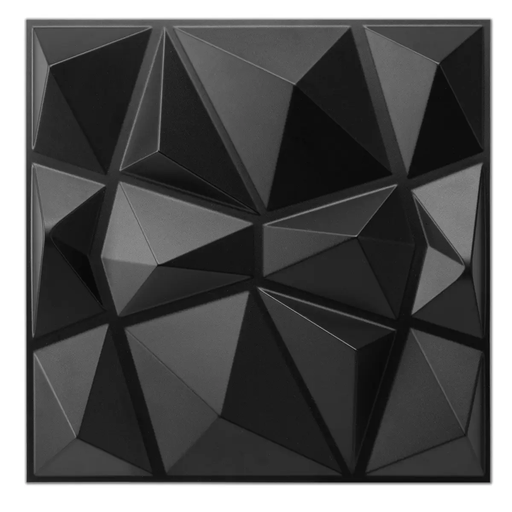
Why this suits you: Their bold black diamond pattern creates striking contrast, making them ideal for a feature wall in a living room, home office or contemporary bedroom.
The pack contains 33 panels and states total coverage of around 2.97 m², making it easier to work out how many you need for a large area.
Rigid PVC, 30 × 30 cm panels, stated resistance to water and heat, and installation with glue or silicone.
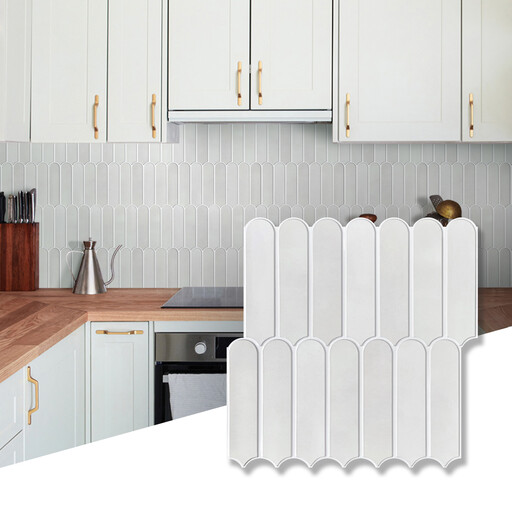
Why this suits you: Their fish scale finish adds texture to kitchens, bathrooms, utility rooms and walls exposed to everyday splashes.
The product page states that the panels are water-resistant, while ruling out use in shower areas. This makes them a better choice for a splashback or bathroom wall than for a surface in constant contact with water.
PVC and EVA construction, 30 × 30 cm panels, a stated easy-clean surface and self-adhesive fitting with no extra glue required.
We’ve put together a comprehensive, regularly updated list of products that meet these strict selection criteria and European safety regulations.
Wood-effect panels instantly add warmth to a room, while stone-effect or brick-effect styles work especially well with rustic décor. For a contemporary look, geometric wall panels add a more graphic sense of texture.
They can be used on a wall exposed to moisture or splashes, depending on the guidance on the product page. However, you shouldn’t assume they’re suitable for a shower, prolonged immersion or an area directly exposed to large amounts of water.
It depends on the paint, the condition of the surface and the strength of the adhesive. Gently warm the adhesive with a hairdryer, then slowly peel off the panel. If the wall is painted or delicate, start by testing an inconspicuous area.
The price depends on the area covered per pack, the type of fixing, the material and the finish. Compare the price per square metre rather than the price of a single panel, and allow for extra material for offcuts.