What should you check?
For a crêpe night, decide what format you want to serve, then compare the ingredients and information on the packaging.
| Criterion |
What to check |
Who is it for? |
| Seeds and format |
Seeds listed in the ingredients; rusk or crispbread format. |
If you want to serve a seeded product alongside crêpes or crumble it over them, distinguish a recipe with seeds from one that is simply multigrain. Around 44% of consumers prioritise the presence of seeds and a crunchy format. |
| Fibre and ingredients |
Fibre and salt listed per 100 g; ingredients for the specific product. |
If I’m comparing several accompaniments, I want to be able to compare their nutritional values on the same basis. Fibre and ingredients come first for around 33% of consumers. |
| Allergens |
Cereals containing gluten, sesame and any ‘may contain’ warnings on the packet. |
If someone at the table needs to avoid an ingredient, I need to check the product I’m actually going to serve. Identifying allergens is the main criterion for around 23% of consumers. |
Savoury biscuits and crackers on Joybuy
If you’d like to serve a separate savoury snack during the evening, these crackers and biscuits could fit the bill. However, they’re not a substitute for rusks or seeded crispbreads.
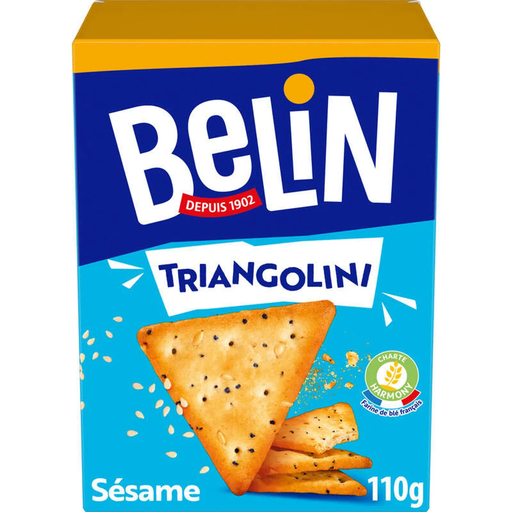 Image unavailable
Belin Sesame Triangolini crackers, 110 g
Worth considering if you want to serve savoury crackers to share rather than rusks to spread. The listing states that they contain 1% sesame and poppy seeds. The product contains wheat, barley, milk, sesame and soya, among other ingredients; check the packaging for the warning about eggs, too.
View on Joybuy
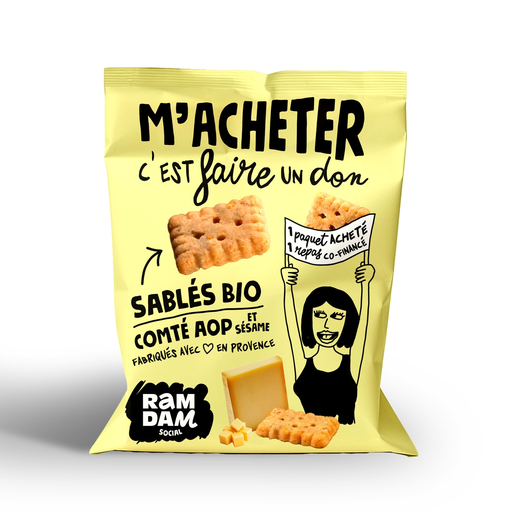 Image unavailable
RAMDAM SOCIAL Organic savoury shortbread biscuits with Comté and sesame, 100 g
A savoury biscuit with Comté and sesame to serve separately from the crêpes, rather than as a replacement for rusks. The listing states that it contains 3.4% sesame seeds and 7.2 g of fibre per 100 g. It lists gluten, milk, sesame and eggs, among other ingredients; check the label on the pack you buy.
View on Joybuy
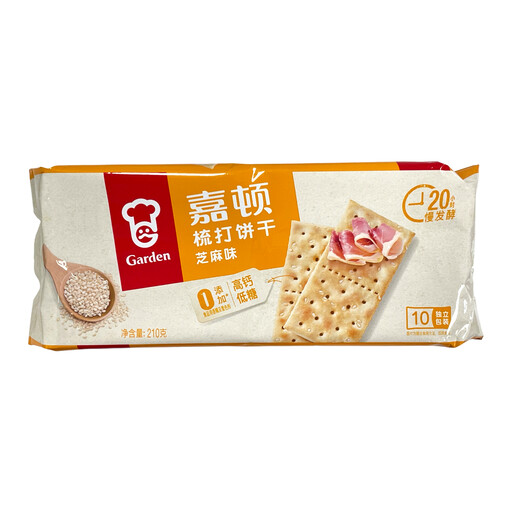 Image unavailable
Garden Soda Biscuits sesame-flavoured crackers, 210 g
A sesame cracker option if you want to serve savoury biscuits on the side. The listing states that it contains 2% sesame. These aren’t rusks; the product contains wheat, barley, sesame and soya, among other ingredients. Check the allergen information on the packet.
View on Joybuy
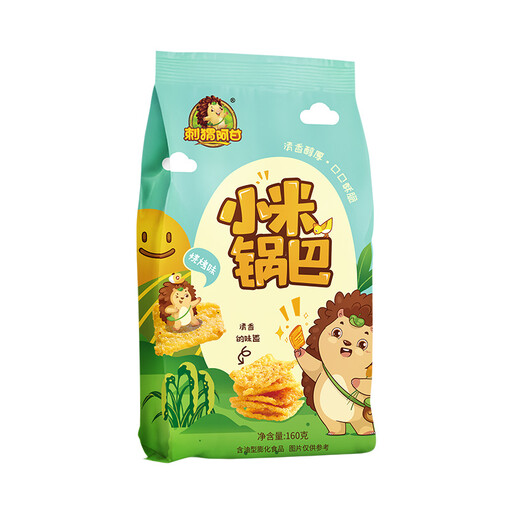 Image unavailable
Ciweiagan millet rice crackers, barbecue flavour, 160 g
A crunchy snack to share, with a different profile from rusks or seeded crispbreads. The listing mentions millet and sesame but doesn’t specify the proportion of sesame. The product contains sesame, so check the packaging if this is a concern for anyone at the table.
View on Joybuy
Frequently asked questions
Does a ‘6 cereals’ rusk always contain seeds?
No. Check the ingredients for the specific product. The Auchan listing for Heudebert 6 céréales mentions linseed and sesame, while the Carrefour listing for Heudebert ‘96% cereals’ describes a product made mainly with wheat flour and mentions sesame only as a possible trace.
Which option should I compare if fibre is my main concern?
Compare the figures per 100 g, but don’t assume they apply to all rusks or crispbreads. The E.Leclerc and Auchan listings state that Epi d’Or crispbreads contain 22.0 g of fibre per 100 g, the Pasquier rusks reviewed contain 5.5 g and the Heudebert 6 céréales rusks reviewed contain 5.2 g.
Are these seeded rusks suitable if someone at the table avoids gluten or sesame?
The Pasquier and Heudebert seeded products reviewed contain cereals with gluten and sesame, so don’t serve them to anyone who needs to avoid these ingredients. Check the ingredients and any ‘may contain’ warnings on the packaging of the product you buy.
How should I store rusks once opened?
Seal the packet carefully and follow the storage instructions on it. The Pasquier and Heudebert listings consulted recommend storing the products in a cool, dry place.
Should I replace crêpes with seeded rusks?
No, they’re different types of product. For a crêpe night, serve rusks or crispbreads as a crunchy accompaniment, something to spread toppings on or something to crumble over your crêpes, depending on how you plan to use them.


