Hosts serving fusion burgers
You’re making burgers or generously filled sandwiches to eat by hand, and want a brioche bun with visible seeds.


For burgers or generously filled sandwiches, choose a seeded brioche bun. For open-faced bites and spreads, go for a cereal-and-seed crispbread. The format matters more than the type of seed alone: before serving several guests, check the ingredients, allergens and number of pieces too.
You’re making burgers or generously filled sandwiches to eat by hand, and want a brioche bun with visible seeds.
You’re serving open-faced bites, dips or spreads and want a crisp base rather than an individual burger bun.
You compare the fibre, sugar, salt and allergen information listed for each product, rather than assuming its nutritional values from the presence of seeds.
| What to check | Things to look for | Who is it for? |
|---|---|---|
| Format and filling | Check whether it’s a bun, crispbread or another type of bread, then check how many pieces are included for serving. | If I’m making generously filled burgers, I need bread that’s easy to eat by hand. Around 50% of consumers would make this format their priority. |
| Texture and seeds | Check the type of bread and the seeds listed: a topping on a bun gives you a different format from a crispbread. | For bites with spreads, I’m mainly looking for a crisp base and seeds whose flavour complements the topping; around 30% of consumers would prioritise this texture. |
| Recipe and allergens | Compare the ingredients list, allergens and nutritional information per 100 g for the product you choose. | When several guests are sharing a meal, I want to check the ingredients before serving. This would be the first thing around 20% of consumers look for. |
Harrys and Jacquet burger buns are made for hamburgers, while Brioche Pasquier Cereal and Seed Crispbreads are crunchy and work well with open toppings.
Decide what you’re making before you buy: a closed burger or bites with spreads.
The recipes reviewed contain sesame and cereals containing gluten; other ingredients and possible traces vary by product. The presence of seeds alone doesn’t tell you how much fibre a product contains.
Check the packaging of the product you buy, especially the allergen and nutritional information.
Carrefour describes the Harrys Beau & Bon Seeded Bun as “additive-free”, yet its ingredients list includes calcium propionate. So that claim alone isn’t enough to confirm what’s in the product you buy.
If the presence of additives matters to you, read the ingredients list on the packaging and ask the manufacturer to clarify if you spot a contradiction.
The Beau & Bon Seeded Brioche Bun is made for hamburgers. Harrys Food Service also describes a topping that combines poppy seeds, sesame and black pepper.
Auchan describes the Toasted Sesame Brioche as a special bread for hamburgers, sold in a pack of four, weighing 250 g in total.
Cereal and Seed Crispbreads make a crunchy base for open toppings; they aren’t brioche buns. Carrefour’s product information lists 9.7% seeds for this product.
If you’re serving sesame bread with cheese or olives, this ring-shaped simit is another option. It’s neither a brioche burger bun nor a crispbread.
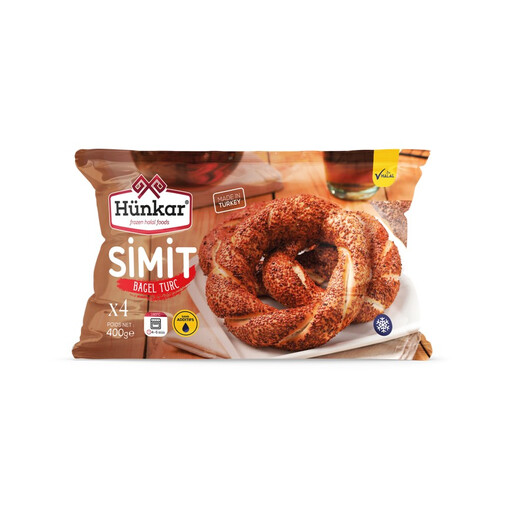 Image unavailable
This sesame-coated ring bread is a good accompaniment to cheese or olives. If you’re looking specifically for brioche to fill with a burger, this format won’t fit the bill. Check the packaging for preparation and storage instructions before planning your meal.
No. Compare the nutritional information per 100 g for each product. The product information reviewed by Auchan lists 4 g of fibre per 100 g for the Harrys bun and 5 g for the Jacquet one; Brioche Pasquier lists 7.6 g for its Grillettines Céréales & Graines. These figures relate to different products and formats.
Check the ingredients, allergens and any trace warnings on the packaging of the product you’re serving. The breads and crispbreads reviewed contain sesame and cereals containing gluten; other ingredients, including eggs and milk, vary by product. The name “seeded” doesn’t tell you whether a product is suitable for a guest with an allergy.
For food bought remotely in France, EUR-Lex states that mandatory information must be available before purchase, at no extra cost. Check the product page for the item you’re considering, then check the packaging when it arrives before serving, especially if its ingredients or allergens will affect your choice.
No. Follow the instructions for the product you’ve bought rather than using the preparation method for a bun on a crispbread. Check them before your evening gathering if you plan to serve several warm portions.