Holidaymakers making sandwiches
Sliced bread makes it easier to prepare sandwiches for picnics or breakfast. Check how to reseal the packaging and where to store the loaf during your stay, especially in hot weather.


For holiday sandwiches, choose a sliced loaf in a size that suits your trip, and check how it should be stored. A table loaf marketed as long-life can be handy if you won’t be shopping as often, but you’ll still need to follow the instructions once it’s opened. To compare seeded varieties, check the ingredients, fibre per 100 g and allergen information for the exact product: the words ‘multi-grain’ alone don’t tell you enough.
Sliced bread makes it easier to prepare sandwiches for picnics or breakfast. Check how to reseal the packaging and where to store the loaf during your stay, especially in hot weather.
If wholegrain cereals and fibre are important to you, check the list of flours and compare the nutritional information per 100 g, rather than relying on the seeds you can see.
Check the label on each product, including highlighted allergens and any ‘may contain’ information. If you’re looking for a gluten-free product, make sure this is stated on the packaging.
For your summer holiday, start with how you plan to use the bread — for toast, sandwiches or keeping for several days — before comparing recipes.
| What matters | What to check | Who is it for? |
|---|---|---|
| Texture and seeds | The seeds named in the ingredients and their proportion, if stated. | For holiday toast, I want to see which seeds are in the recipe rather than relying on the bread’s name alone. Around 27% of consumers make visible, identifiable seeds their priority. |
| Flours and fibre | Whether wholemeal or brown flour is included, and the ‘fibre’ figure per 100 g. | When comparing packaged breads, I want to be able to tell the cereal content apart from how the loaf looks. Declared fibre and flours come first for around 20% of consumers. |
| Size and storage | Whether it’s a sliced loaf or a table loaf, as well as storage instructions and guidance for once it’s opened. | On holiday, I need to prepare meals and store bread without leaving it exposed to heat or damp. Convenience and storage are the main considerations for around 27% of consumers. |
| Gluten and allergens | Highlighted allergens, any ‘may contain’ information and, if needed, a ‘gluten-free’ claim on the exact product. | If I need to avoid gluten or a particular allergen, a mix of seeds doesn’t tell me enough about the recipe. This is a priority for around 26% of consumers. |
The presence of seeds doesn’t tell you which flour makes up most of the recipe or how much fibre the bread contains.
Check the flours in the ingredients, then compare the ‘fibre’ figure in the nutrition information per 100 g.
Auchan’s product information for its multi-grain sliced loaves and table loaves says they are sensitive to heat and damp.
Follow the instructions on the bag, store it somewhere dry and out of the sun, and reseal it after use. For the Auchan table loaf in question, the product information says to eat it soon after opening.
The Chaque Jour gluten-free multi-grain bread sold by E.Leclerc contains egg white. The product information for the Gerblé bread mentioned at Auchan says it is made in a facility that also handles nuts and egg.
Read the allergens and ‘may contain’ information on the packaging, even if the product is labelled ‘gluten-free’.
How packaged bread should be stored doesn’t determine how to store perishable fillings. Anses highlights the importance of keeping food chilled, especially in very hot weather.
Carry fillings that need to stay cold in an insulated container and put them in the fridge as soon as possible.
Carrefour offers a 400 g Carrefour Original sliced loaf with seeds.
The Chaque Jour Sans Gluten product is a 300 g sliced multi-grain loaf.
Auchan offers a multi-grain and seeded sliced loaf, as well as a multi-grain and seeded table loaf marketed as long-life.
Monoprix offers a 500 g La Boulangère wholemeal and seeded sliced loaf, made with wholemeal wheat flour.
This selection features sesame grissini for a crunchy holiday snack. They’re a different format from sliced bread made for sandwiches.
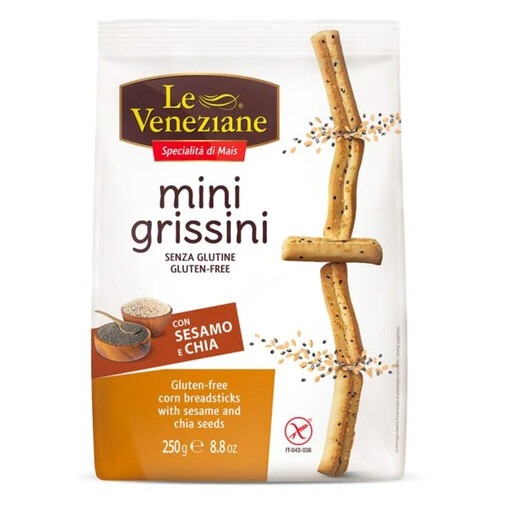 Image unavailable
These sesame grissini are ideal for a crunchy snack rather than making sandwiches. The product name includes ‘Gluten-Free’; if you need to avoid gluten or other allergens, check the information on the packaging. Also check the storage instructions to make sure they’ll keep for the duration of your stay.
Start with the ingredients to identify the flours and seeds, then compare the nutritional values per 100 g if they’re shown on the packaging. For prepacked foods, the DGCCRF says allergenic ingredients must be highlighted. Also check for any ‘may contain’ information that’s relevant to you.
No: seeds and wholemeal flour are two different ingredients. Look for wholemeal or brown flour in the ingredients and check the fibre per 100 g. The words ‘multi-grain’ alone don’t tell you this.
Follow the instructions for your chosen product, both before and after opening. The product information for the Auchan breads mentioned here says to protect them from heat and damp; for the table loaf, it also says to reseal the bag carefully and eat the bread soon after opening.
Not based on its name alone: several of the multi-grain recipes mentioned here contain wheat. Look for a ‘gluten-free’ claim on the exact product, then check separately for other allergenic ingredients and any ‘may contain’ information.