
Livraison le jour même ou le lendemain

Qualité garantie

Débloquez vos offres de bienvenue: Livraison GRATUITE | Jusqu'à -80 % | 30 jours d'essai gratuits à JoyPlus
Téléchargez l'application
Seaweed snacks have earned a place in French kitchen cupboards: crisp at aperitif time, easy to pop into a lunch box or delicious sprinkled over a bowl of rice. But colourful packaging and the word “light” are not enough to guarantee the right choice. Depending on the recipe, a simple sheet of nori can be high in oil, salt or seasoning. And a product presented as seaweed may also contain flour, soya or shellfish.
Here are the key points to check before buying, along with a selection suited to different uses.
Roasted seaweed is particularly light. A 32 g packet may therefore seem more generous than it really is. Conversely, a large packet of seasoned seaweed may be intended to accompany a dish rather than to be eaten straight from the packet.
Take the time to compare:
This check helps you distinguish between a small snack to take on the go and a family-size format to sprinkle over rice, noodles or salad.
The seaweed sheet does not necessarily account for most of the calories in the finished product. Oil, sugar, soya sauce, salt and spice blends can significantly increase the overall nutritional content. For example, Taokaenoi Original contains 580 kcal per 100 g, equivalent to 110 kcal per 16 g serving according to the information provided.
The figures on the packaging are therefore essential. A 4 g portion may seem insignificant, but eating several packets in succession can quickly make a difference to your daily intake.
Plain nori sheets intended for sushi are often made solely from seaweed. Flavoured versions, however, may contain sesame, soya, wheat, egg, milk, peanuts or shellfish. Labels such as “vegetarian”, “vegan” or “halal” do not remove the need to check the ingredients list and the packet labelling.
Texture matters too: when exposed to moisture, a roasted sheet quickly loses its crispness. Individual sachets and resealable packaging are more effective at preserving its texture after opening.
A tempura-style recipe, such as Thai seaweed snacks coated in flour, offers a thicker, more indulgent bite. However, it generally contains more fat and may introduce additional allergens.
For a simple recipe, choose a short ingredients list: seaweed, oil and salt. Teriyaki, wasabi, bulgogi and spicy versions add sauces, sugar and sometimes flavour enhancers.
Here are some ingredients to look out for:
If you have an allergy, always rely on the label of the product you receive: ingredients and information may change.
For students, families or anyone who opens a packet gradually, individual 3 to 5 g formats limit contact with air. Large packets, particularly those containing flakes intended for rice, should be carefully resealed and stored in a cool, dry place.
Marinated seaweed follows different storage rules: Jiangfan must be refrigerated after opening. Always check the instructions on the packaging.
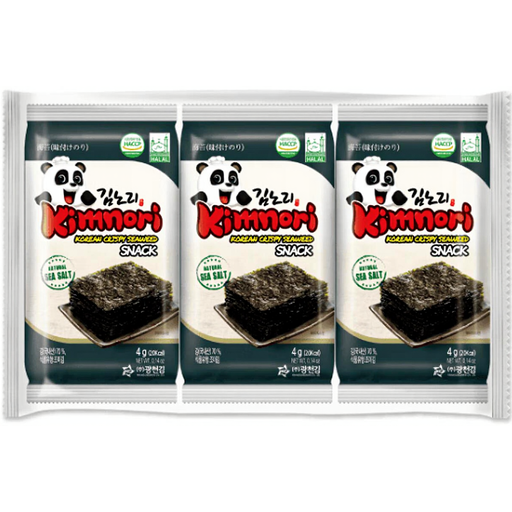
Why this choice suits this profile : With three individual 4 g portions, this product is an easy way to discover seasoned seaweed without committing to a large format. It slips easily into a lunch break or lunch box, and can also be served with rice.
The weight and number of sachets are clearly stated, making it easier to control portions and preserve the crispness after opening.
A 3 x 4 g format, roasted texture and two ways to enjoy it: as a snack or a topping.
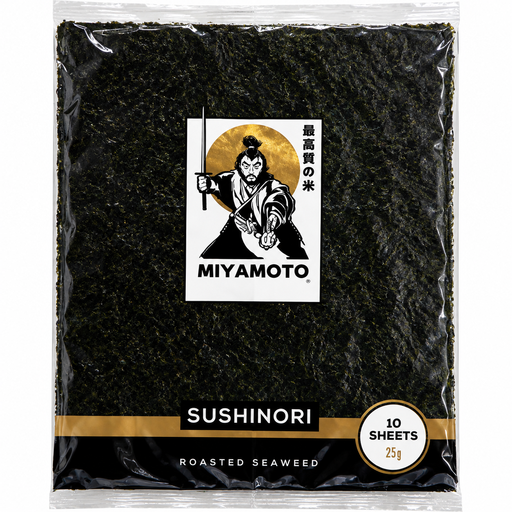
Why this choice suits this profile : These ten nori sheets are ideal for Japanese food enthusiasts who want to prepare maki, temaki or onigiri, while also being able to enjoy them on their own.
The stated ingredients are limited to nori seaweed, with no sauce or coating, making it a straightforward choice for preparing sushi at home.
Ten uniform sheets, described as vegan and gluten-free, with a roasted texture.
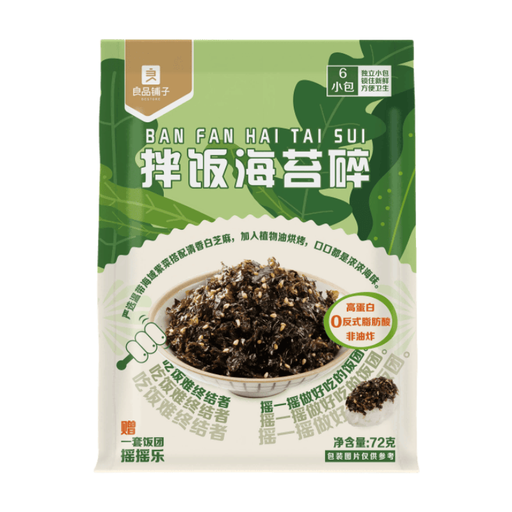
Why this choice suits this profile : At 72 g, this format is designed for those who regularly use seaweed as a topping for rice, noodles, salads, sushi or porridge.
It is not presented as a simple snack: its flakes and resealable packaging are suited to use throughout several meals.
A blend of dried nori, sesame and vegetable oil; the presence of sesame should be taken into account in case of allergy.

Why this choice suits this profile : The three 5 g sachets provide a convenient portion for fans of wasabi seaweed and Korean snacks to enjoy on the go.
The divided format avoids leaving a large packet open. However, the recipe should still be checked, particularly for allergens and the intensity of the seasoning.
Three individual sachets, a stated 52 % content of Pyropia Yezoensis seaweed and wasabi seasoning.
We have put together a comprehensive, real-time updated list of products that fully meet these strict selection criteria and European safety regulations.
Some products are described as vegetarian or vegan, including plain nori sheets and several seasoned roasted seaweed snacks. However, it is still essential to check the recipe: the Jiangfan snack contains prawn powder, while some seasonings may contain ingredients of animal origin or traces resulting from the manufacturing process.
Store it in a cool, dry place away from light. Reseal the packet as soon as you have finished. Individual formats are particularly convenient for preserving crispness. For marinated seaweed, follow the product-specific instructions: some varieties must be refrigerated after opening.
It depends on the recipe, its salt content and individual needs. Seaweed naturally contains iodine, and excessive consumption may not be suitable for people who are sensitive to it. Check the labelling, eat a varied diet and seek advice from a healthcare professional if you have a thyroid condition, allergy or specific dietary requirements.