
Livraison le jour même ou le lendemain

Qualité garantie

Débloquez vos offres de bienvenue: Livraison GRATUITE | Jusqu'à -80 % | 30 jours d'essai gratuits à JoyPlus
Téléchargez l'application
Seaweed snacks, or seaweed crisps, have taken the snack world by storm, conquering appetiser platters and supermarket aisles alike. Marketed as a healthier alternative to potato crisps, they promise a satisfying crunch and that distinctive umami flavour. However, not all seaweed snacks are created equal. Navigating the gap between marketing claims and product reality can quickly become a challenge. As a Product Specialist at Joybuy, my mission is to give you the keys to making an informed choice.
Before you fill your basket, here are three common pitfalls to avoid when buying your next savoury seaweed treat.
To ensure you choose a product that meets your expectations, focus on two fundamental points: the preparation method and the composition.
The term "seaweed snack" actually covers two main product families, which offer radically different eating experiences.
A close read of the label will tell you a lot about the true quality of the product.
To help you see more clearly, here are a few gems that suit different tastes, taking into account the criteria we've just discussed.
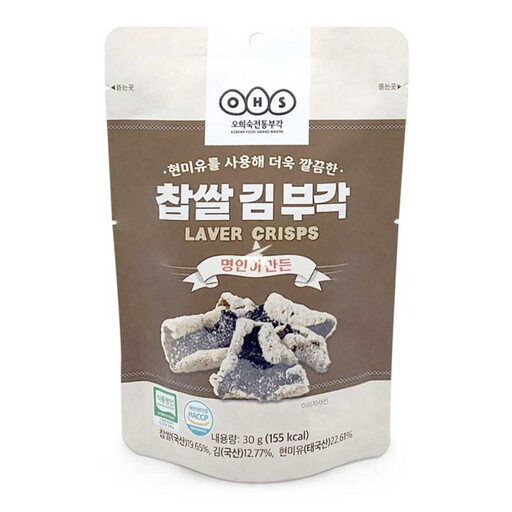
Why it's a great choice: This product is a perfect example of Gim Bugak, the traditional Korean seaweed crisp. Its thick, complex texture, achieved with a glutinous rice coating, offers a much more substantial bite than simple roasted sheets. Ideal for an appetiser with more character.
It avoids the disappointment of a texture that's too thin or soggy. The double crunch from the seaweed and the fried glutinous rice guarantees a satisfying and robust bite.
Extra-crunchy and thick texture. Gluten-free recipe, made with rice bran oil.
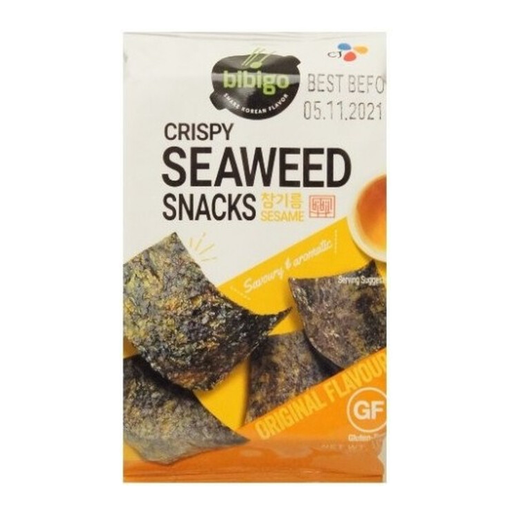
Why it's a great choice: This product is the quintessential seaweed snack: thin, light, and ultra-crispy sheets. It's the ideal option for those looking for a low-calorie, hassle-free snack to slip into a bag or lunch box.
It focuses on simplicity and transparency. With a short, clear ingredient list (seaweed, oils, salt), it eliminates the risk of hidden additives and artificial flavours.
Light and crispy. Simple composition with rapeseed and sesame oils.
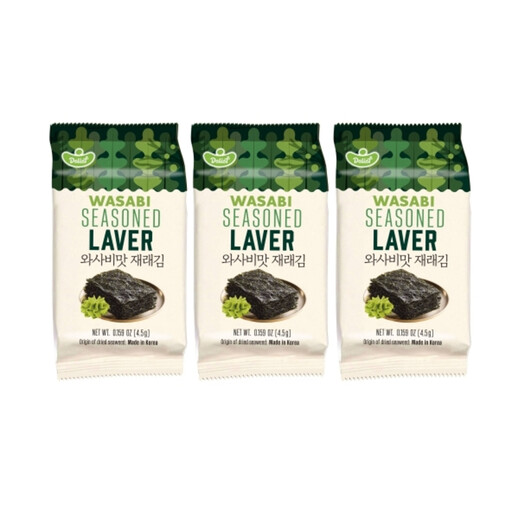
Why it's a great choice: For those who find the original version a bit too tame, this wasabi-flavoured variety delivers the expected kick. An excellent choice to awaken the taste buds with appetisers or to spice up a dish.
It avoids the trap of bland or artificial seasoning. Here, the wasabi flavour is the star: it's prominent and delivers the expected heat without tasting "chemical".
Pronounced and authentic wasabi taste. Convenient individual packs to preserve freshness and crispiness.
We've selected a full range of products that meet our quality criteria just for you.
Moisture is their number one enemy. Once a pack is opened, it's best to eat them quickly. If you need to store them, seal the bag tightly with a clip or transfer the sheets to an airtight container, away from light and heat.
Yes, provided you choose them carefully. While seaweed is naturally rich in minerals, the final product can be high in salt and fat depending on its preparation method. For a truly healthy option, opt for the simply roasted (not fried) versions and check the sodium content on the nutritional label.
The terms gim (Korean) and nori (Japanese) both refer to edible seaweed sheets, often from the same species (Pyropia). The main difference lies in their preparation and use. Japanese nori is usually sold plain, without seasoning, for making sushi and onigiri. Korean gim, on the other hand, is almost always roasted, seasoned with oil (often sesame) and salt, and is enjoyed as a Korean snack or a side dish.