
Livraison le jour même ou le lendemain

Qualité garantie

Débloquez vos offres de bienvenue: Livraison GRATUITE | Jusqu'à -80 % | 30 jours d'essai gratuits à JoyPlus
Téléchargez l'application
Our supermarket and Asian grocery shelves are overflowing with new temptations for snack time. Among them, the seaweed snack has quickly carved out a prime spot, challenging traditional crisps. With their promise of a unique umami flavour and a healthier reputation, these thin, crispy sheets are sure to entice both the curious and foodies looking for something new.
But be warned: behind this image of a simple, wholesome snack lie real disparities in quality and composition. To prevent your discovery from turning into a disappointment, it's best to know the few pitfalls to avoid before filling your basket.
Knowing how to decipher labels and understand the different product types is the key to making an informed choice.
To help you navigate the options, here are three essential points to check before you head to the checkout.
The first distinction to make is based on use. There are two main product families:
nori for sushi): these sheets are generally larger, thicker, and unseasoned (or very lightly salted). They are designed to be flexible and strong for rolling maki or onigiri. They are not meant to be eaten alone as a snack.seaweed chips): thinner, roasted or fried for maximum crispiness, this seaweed is already seasoned and packaged in single-serving or shareable packs. This is the ideal category for an Asian-inspired appetiser or an on-the-go snack.A healthy, low-calorie snack is usually recognisable by its short ingredient list. Pay close attention to:
The world of seaweed snacks is a true playground for flavours.
To better illustrate these differences, here are a few products that cater to different profiles and preferences.

Why it's a great choice: ideal for those new to seaweed snacks or who appreciate natural, unadulterated umami flavour. It's a benchmark for its super-crispy texture and simple, effective seasoning.
This product avoids the " overly fatty snack " trap by displaying a clear composition where seaweed (85 %) is the main ingredient. It contains no added sugars, letting the natural flavour of the seaweed take centre stage.
Very light and crispy texture. Original taste that highlights the seaweed's umami.
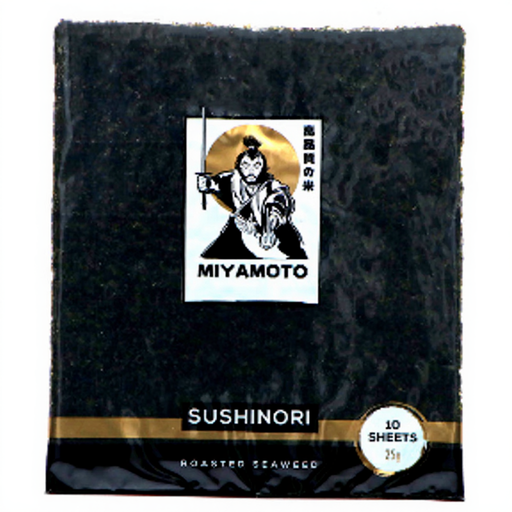
Why it's a great choice: perfect for those who love making their own sushi, maki, or onigiri. These sheets are perfectly sized and have the right texture to be rolled without tearing.
This product avoids the " unsuitable format " trap. It is clearly identified as seaweed for sushi (Nori) and not a snack. It is made of 100 % seaweed, with no added oil or seasoning.
10 uniformly sized sheets. A 100 % natural product, ideal for homemade Japanese cuisine.
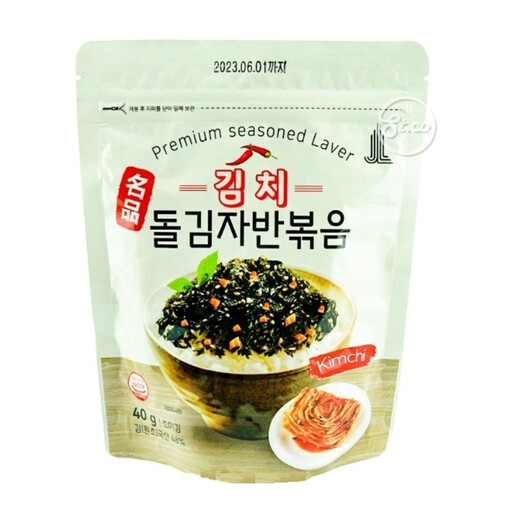
Why it's a great choice: for the adventurous who are looking for a Korean snack with real character. The combination of seaweed and kimchi offers a complex taste experience that is salty, spicy, and tangy all at once.
This product doesn't hide what it is: a flavour-packed snack. It avoids the " false health promise " trap by embracing its indulgent profile. The kimchi flavour is achieved with real ingredients like chilli powder.
Pronounced and authentic kimchi flavour. Crispy texture that pairs well with rice or noodles.
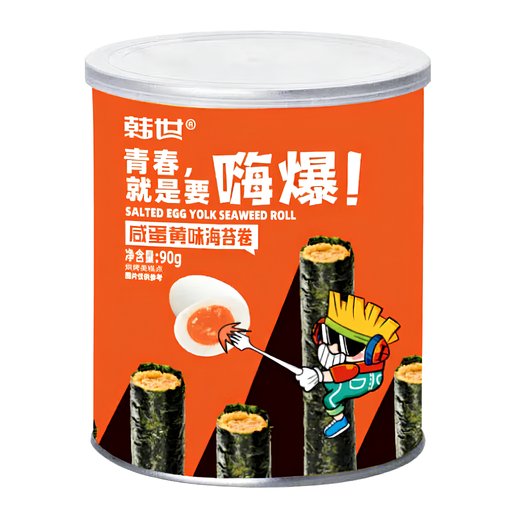
Why it's a great choice: for those tired of flat crisps and looking for a different texture. These filled seaweed rolls offer an unbeatable crunch and the rich, trendy flavour of salted egg yolk.
This product avoids texture disappointment. The roll format is more robust than a simple sheet, and the individual wrapping of each roll perfectly preserves its crispiness until you're ready to eat.
Unique filled-roll texture. Convenient and hygienic individual packaging.
The flavours of seaweed can also elevate your everyday dishes. To season a bowl of rice, a salad, or even pasta, discover "furikake" and other sprinkle-on seasonings.
Moisture is the number one enemy of crispiness. Once a pack is opened, it's best to eat it quickly. If you need to store it, seal it as tightly as possible with a clip or transfer the remaining sheets to an airtight container. Keep it in a cool, dry place, away from light.
It all depends on the product! Roasted seaweed with a little sesame oil and salt can be a healthy, low-calorie snack, rich in iodine and fibre. Conversely, a deep-fried version covered in a sugary seasoning will be much richer. The best practice is to always check the ingredient list and the nutritional table to make a choice that's right for you.
Technically, it's possible, but not recommended. Seaweed chips are often too small, fragile, and brittle to roll a maki properly. Furthermore, their seasoning (spicy, sweet, etc.) can clash with the delicate flavours of the fish and vinegared rice. For the best results, it's better to use nori sheets for sushi, which are specifically designed for this purpose.