
Livraison le jour même ou le lendemain

Qualité garantie

Débloquez vos offres de bienvenue: Livraison GRATUITE | Jusqu'à -80 % | 30 jours d'essai gratuits à JoyPlus
Téléchargez l'application
Tired of chips and pretzels for happy hour? Ready to explore the umami flavors of Asia? The seaweed snack is emerging as an increasingly popular alternative. From thin, crispy sheets to spicy strips, the diversity of flavors and textures can make it hard to know where to start.
Don't worry, our editors have broken down the options for you. Our mission: to guide you through the different types of Asian appetizers and help you find the perfect snack to suit your taste.
To make the right choice, focus on three key points: texture, flavor, and ingredients.
Mouthfeel is key. There are two main categories:
The choice of flavors is just as vast. While the base remains marine and rich in umami, the seasoning makes all the difference. You'll find simply salted versions that enhance the seaweed's natural flavor, as well as much bolder variations:
The Japanese snack often focuses on subtlety, while Korean and Chinese specialties tend to have a bolder profile.
While edible dried seaweed is the star of the show, the final recipe can vary greatly. A quick look at the ingredient list is a must to check the type of oil used, the salt content, or the nature of the seasonings, especially if you follow a specific diet or have particular preferences.
After our taste test, here are the products that caught our attention, each with its own distinct personality.
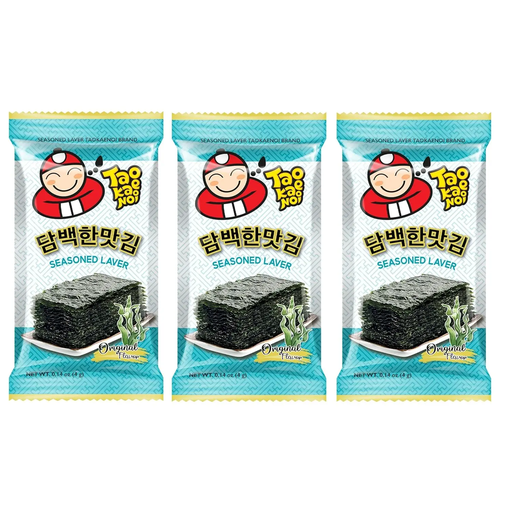
Why it stands out: This is the quintessential Korean snack. The sheets are incredibly thin and crispy, enhanced by a subtle, crowd-pleasing seasoning. It's an excellent entry point into the world of grilled seaweed.
Pros:
Who is it for? For curious beginners and purists looking for a simple and effective classic.
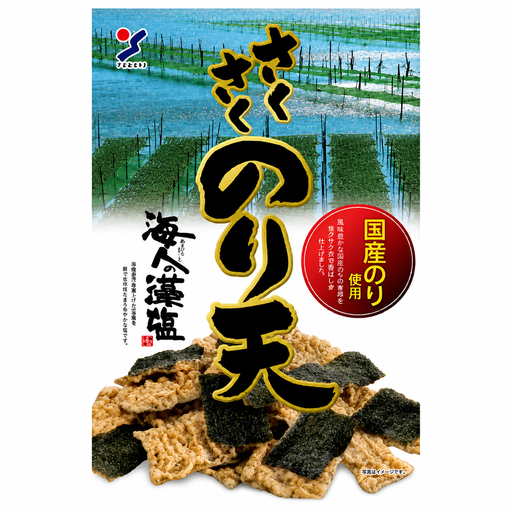
Why it stands out: Here, the seaweed chips are coated in a tempura batter. This traditional Japanese snack plays on a dual texture: the addictive crunch of the fried batter and the marine flavor of the nori sheet. A more indulgent and satisfying snack.
Pros:
Who is it for? For tempura fans and anyone who wants a seaweed snack with more chew and substance.
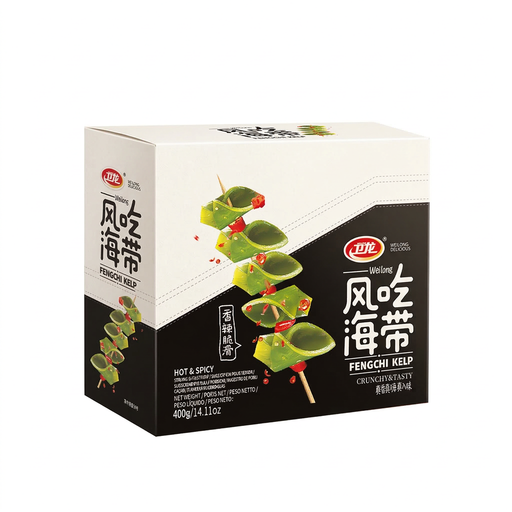
Why it stands out: A world away from crispy sheets, this snack comes in the form of tender kelp strips (a type of brown seaweed). Its "Mala" seasoning, typical of Sichuan cuisine, delivers an intense experience that is spicy, sour, and aromatic all at once.
Pros:
Who is it for? For adventurous palates who love bold flavors and spicy seaweed with a unique texture.
Your culinary journey is just beginning. Joybuy is full of hidden gems for the curious. Feel free to explore our other selections, carefully chosen by our experts.
For example, take a look at our Natural Flat Weave Rug collection.
Nori is a type of red algae, famous for being pressed into thin sheets used for sushi and crispy snacks. Other edible dried seaweeds, like kombu (kelp) or wakame, are brown algae. They are thicker and have a different texture, often becoming more tender once rehydrated, which makes them ideal for soups, salads, or marinated snacks.
While raw seaweed is a nutrient-rich superfood, a snack is still a processed product. Its nutritional value depends entirely on how it's prepared: the amount and type of oil, salt content, added sugar, and more. The best practice is to always check the nutritional information on the packaging to make an informed choice.
Moisture is the number one enemy of crispiness. To preserve your snacks' texture, keep them in a cool, dry place away from direct sunlight. Once the package is opened, seal it tightly (with the zip closure if available) or, even better, transfer the sheets to an airtight container. It's best to eat them quickly to enjoy their full crunch.