
Livraison le jour même ou le lendemain

Qualité garantie

Débloquez vos offres de bienvenue: Livraison GRATUITE | Jusqu'à -80 % | 30 jours d'essai gratuits à JoyPlus
Téléchargez l'application
Once confined to the shelves of Asian grocery stores, the seaweed snack is now a trendy and surprising alternative to traditional crisps at cocktail hour. Crispy, savoury, and incredibly convenient, these roasted seaweed sheets have it all. The only catch? The market has become so vast that it's easy to get lost and fall into a few common traps. To ensure this promising snack doesn't turn into a disappointment, here are the key things to watch out for.
To help you see clearly and make the right choice, here are the essential criteria to scrutinise before you indulge in your next Asian appetiser.
Navigating the jungle of dried seaweed snacks is much simpler when you know what to look for. Two fundamental parameters will make all the difference in the quality of your tasting experience.
The majority of snacks on the market are made from nori seaweed (from the Porphyra species), the same kind used for sushi. But it's the preparation method that changes everything.
Identifying the preparation method will give you a clear idea of the expected texture and caloric profile.
In this case, simplicity is often a sign of quality. A good healthy snack made from seaweed should have the shortest possible ingredient list.
To put these criteria into practice, here are a few products that cater to specific profiles and preferences.
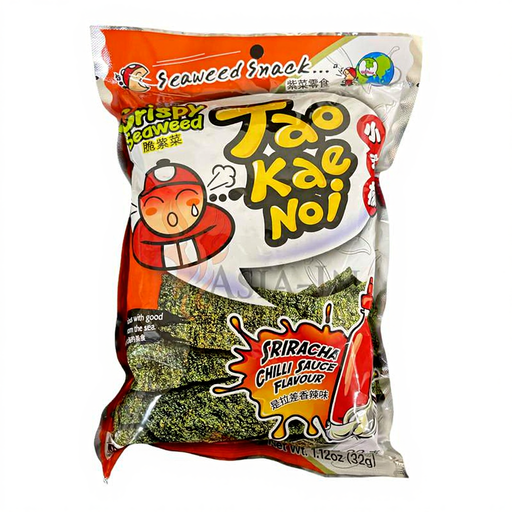
Why we chose it: Ideal for those who find classic flavours a bit bland and are looking for a bold, identifiable kick to liven up their appetisers or savoury snack time.
It avoids the ambiguous flavour trap. The "Sriracha" label makes it clear: expect a spicy, garlicky, and slightly sweet profile, with no unpleasant surprises.
It combines the ultra-crispy texture typical of Thai snacks with an iconic sauce, offering a perfect balance between the seaweed's marine notes and the heat of the chilli.
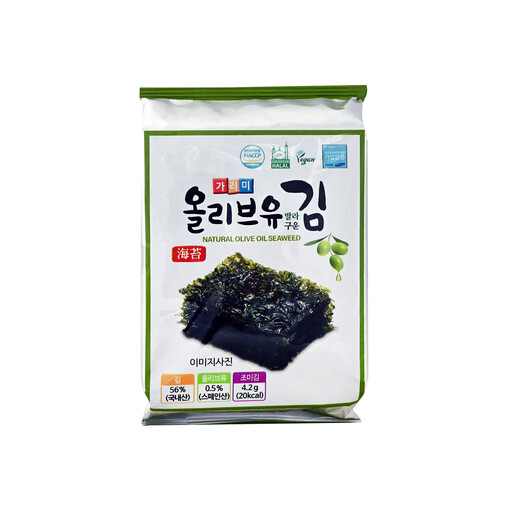
Why we chose it: Perfect for those who practice mindful eating and are looking for a simple snack with a clean ingredient list and no unnecessary additives.
It avoids the "fake healthy snack" trap with its ultra-short and clear ingredient list: roasted seaweed, olive oil, salt. That's it. No added sugar or flavour enhancers.
The use of olive oil clearly distinguishes it from products made with palm or corn oil. The authentic taste of the seaweed is preserved, simply enhanced with a hint of salt.

Why we chose it: For those who want to surprise their guests at cocktail hour with an Asian snack that is off the beaten path, both in its appearance and its taste.
It avoids the disappointing texture trap by clearly advertising a "thickly sliced" and "filled" format. You're not expecting a simple thin sheet, but a denser, more complex snack.
Its dual texture, combining the crispiness of the seaweed with the crunch of sesame seeds, offers a truly interesting mouthfeel. The sweet and savoury mix makes it a gourmet and original bite, perfect for an appetiser.
We've compiled a complete, up-to-date selection of products that meet our selection criteria and comply with current regulations.
Moisture is the sworn enemy of seaweed chips. Once a packet is opened, it's best to eat them quickly. If you have leftovers, seal the packet tightly with a clip or, even better, transfer the sheets to an airtight container. Store them in a cool, dry place, away from light.
Yes, provided you choose them carefully. Seaweed itself is a goldmine of minerals (especially iodine) and vitamins. It's the preparation that can ruin everything: the final product can be overloaded with salt, sugar, or fat. For a healthy snack, opt for roasted versions with a minimalist ingredient list and take a look at the nutrition facts. And as with everything, moderation is still key.
No, that's a bad idea. The sheets for snacks are already roasted, seasoned, and very brittle. They will definitely break if you try to roll them. To make sushi (maki), you need specific, unseasoned, and more flexible nori seaweed sheets, usually sold as "yaki nori for sushi."