
Livraison le jour même ou le lendemain

Qualité garantie

Débloquez vos offres de bienvenue: Livraison GRATUITE | Jusqu'à -80 % | 30 jours d'essai gratuits à JoyPlus
Téléchargez l'application
Seaweed chips have taken the snack aisle by storm, promising a healthy treat and a unique alternative to traditional crisps. However, behind the tempting packaging lies a world of wildly inconsistent quality. Soggy textures, excessive salt, disappointing flavours... disappointments are common. Navigating this overwhelming selection can quickly become a real headache.
As the Head of Product Recommendations at Joybuy, my mission is to help you see clearly. This guide breaks down the common pitfalls to avoid and gives you all our tips for uncovering that hidden gem: the perfect seaweed snack to delight your taste buds, whether for an appetiser or to elevate your meals.
Marketing can often be misleading. Here are the three most common traps that could spoil your snacking experience and lead to buyer's remorse.
To make an informed choice, you just need to focus on a few key points. They are your guarantee of a product that will live up to your expectations.
Not all seaweeds are suitable for snacking. The nori seaweed sheet, famous for its use in sushi, is the most common base. Check whether the product comes in thin, brittle sheets, ideal for a light snack, or in thicker, more robust sheets, sometimes with a filling, for a more substantial treat. The edible dried seaweed used for snacking is almost always grilled or roasted (not simply dried) to achieve that sought-after crispy texture.
The ingredients list is your best friend for avoiding the traps.
There's a format for every occasion.
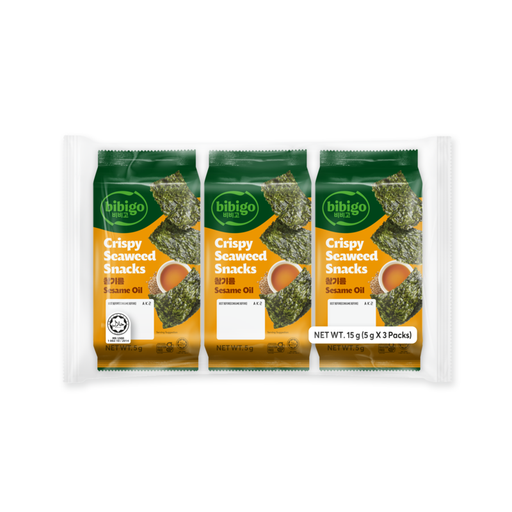
Why it's a great choice: Perfect for purists seeking the authentic taste of a Korean snack. The simple recipe highlights the umami flavour of the seaweed, enhanced only by sesame oil without any unnecessary flavourings.
This product doesn't fall into the trap of artificial flavours. Its ultra-short ingredient list (seaweed, rapeseed and sesame oils, salt) is a guarantee of transparency and authenticity.
A fine texture and an impeccable crispiness. The individual pack format perfectly preserves freshness.
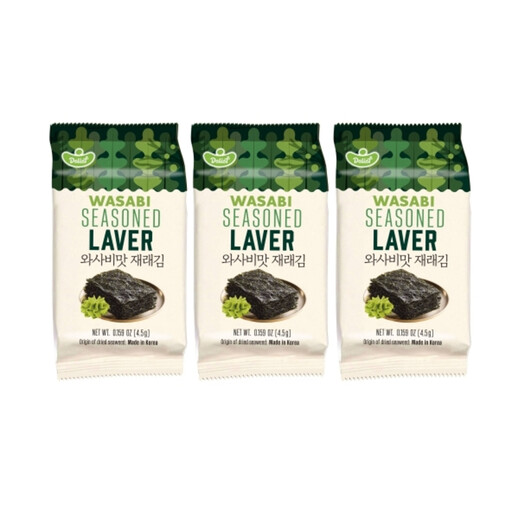
Why it's a great choice: For those who aren't afraid of a little heat! The characteristic kick of wasabi is definitely present, offering an intense and memorable experience typical of modern Asian snacks.
There's no "fake heat" here. The wasabi flavour is powerful, authentic, and delivers on its promise of a bold taste without compromise.
A bold and authentic wasabi flavour. The multi-pack is convenient for portion control and taking it on the go.
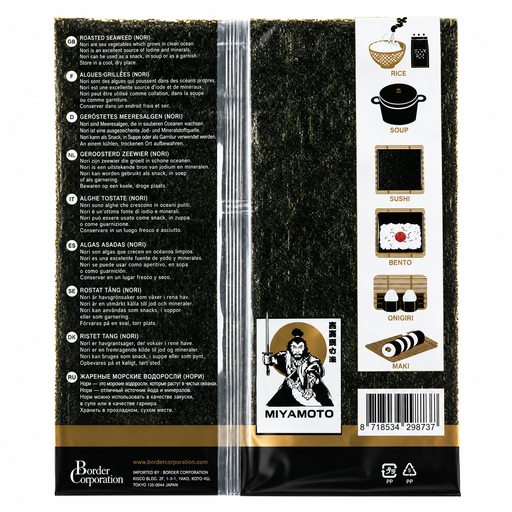
Why it's a great choice: An essential for those who see seaweed as a core ingredient. These unseasoned roasted nori sheets are the perfect blank canvas for preparing sushi and onigiri, or for cutting into strips to garnish soups and salads.
Since this isn't a ready-to-eat snack, there's no risk of being disappointed by the seasoning. It's a pure nori seaweed sheet, a true blank canvas for all your culinary creations.
100% roasted seaweed, with no additives. Its versatility in the kitchen is its greatest asset, from making maki rolls to using it as a simple topping.
We've curated a full range of products that meet our quality charter and the criteria in this guide.
1. How do I store seaweed chips to keep them crispy? Once the packet is open, moisture is the number one enemy. To preserve their crispiness, transfer the remaining sheets to an airtight container. Store it in a cool, dry place away from light, and eat them quickly to enjoy the perfect texture.
2. Are seaweed snacks actually a healthy appetiser? Yes, provided you choose them wisely. An edible dried seaweed is naturally rich in minerals, but the healthiness of the final product depends on the other ingredients. Opt for short ingredient lists, a low salt content (less than 2g per 100g is a good benchmark), and high-quality oils. Of course, as with any appetiser, moderation is key.
3. Can I use any type of seaweed sheet to make sushi? No, it's essential to use sheets specifically designed for sushi, called nori seaweed sheet (or yaki nori). They are roasted just enough to be both flexible and strong enough for rolling. Seaweed chips for snacking are thinner, more fragile, and already seasoned, which makes them completely unsuitable for making maki rolls.