
Livraison le jour même ou le lendemain

Qualité garantie

Débloquez vos offres de bienvenue: Livraison GRATUITE | Jusqu'à -80 % | 30 jours d'essai gratuits à JoyPlus
Téléchargez l'application
Are you looking for seasoned seaweed snacks to accompany a bowl of rice, liven up a salad, or simply enjoy something salty and spicy? Between kombu strips, ready-to-eat Chinese seaweed and kombu knots, the taste, texture and packaging can completely change the experience.
A few common pitfalls crop up when buying:
For immediate eating, look for the words "ready to eat". Seasoned strips go beautifully with rice and noodles, while kombu knots offer a thicker, slightly chewy texture.
Dried seaweed, such as the CHUNG JUNG ONE product, serves a different purpose. It can be used in soup, wrapped around a rice roll, or turned crispy after preparation. Sold in 50 g bags, Jin Hai Lin kombu knots are best suited to soups, salads, Chinese hot pots and stewed dishes.
Read the full ingredients list. The percentage of seaweed is a good indicator, but it doesn't tell you everything about the taste or how to use the product.
WU JIANG strips, for example, contain 88.7% kelp, along with chilli, soy sauce and spices. This means they contain soya and wheat – something to bear in mind if you have an allergy or follow a gluten-free diet.
The Wei Long Fengchi product contains 76% kelp, with chilli, Sichuan pepper, pickled ginger and mustard. Anyone affected should therefore check for soya and mustard. Some Jiangfan products also contain sesame and shrimp powder.
A very strong flavour can be enjoyable in small amounts, but a high salt content makes the product less suitable for frequent or large-portion consumption. For reference, the available information shows:
Individual formats, like the pack of five Jixiangju Mala sachets, make it easier to control portions and avoid opening a large amount at once. Pack sizes of 150 to 252 g are better suited to family use or several meals, provided you follow the storage instructions.
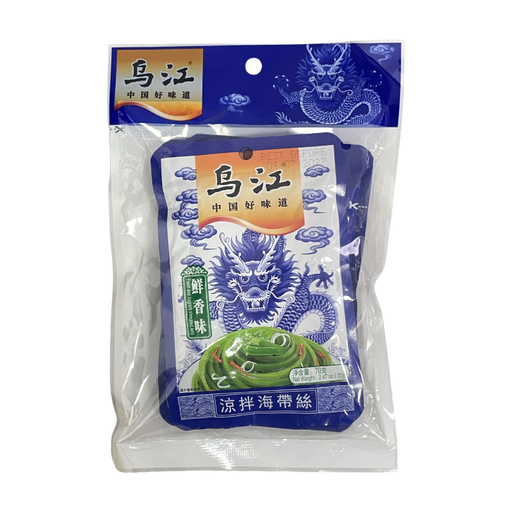
Why this choice suits this profile: The pack of four sachets lets you try ready-to-eat Chinese seaweed without having to open a large bag. The strips can be served straight away, especially with rice, porridge or noodles.
The split format reduces waste after opening. The ingredients list shows 88.7% kelp and clearly states the allergens: soya and wheat.
Four 70 g sachets, no cooking required and a savoury, slightly spicy flavour.
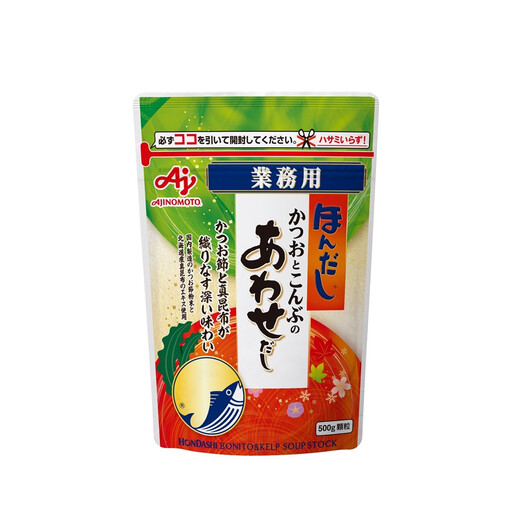
Why this choice suits this profile: This Japanese blend combines bonito and kombu extract for making broths, miso soups, sauces or noodle dishes. It's aimed at those who want to build their recipes around a kombu dashi stock.
This isn't a ready-to-eat snack, but a seasoning you measure out. The instructions recommend around 1 g per 150 ml of soup and 2 g per 260 ml of noodle broth.
500 g format, versatile use and allergens – milk and fish – to check before buying.
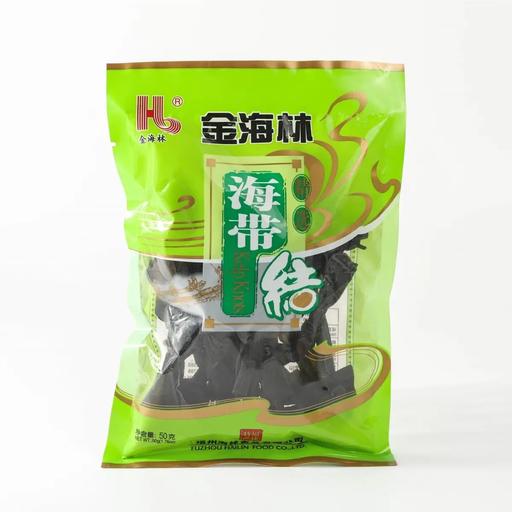
Why this choice suits this profile: Natural kombu knots are ideal for cooks who prefer to control the seasoning themselves. After preparation, they can be added to soups, salads, hot pots or stewed dishes.
The ingredients are limited to seaweed, with no added sauce or chilli. This means you avoid a pre-set seasoning and can adapt the recipe to everyone's taste.
50 g bag, soft texture after preparation and suitable for soups, salads and hot pots.
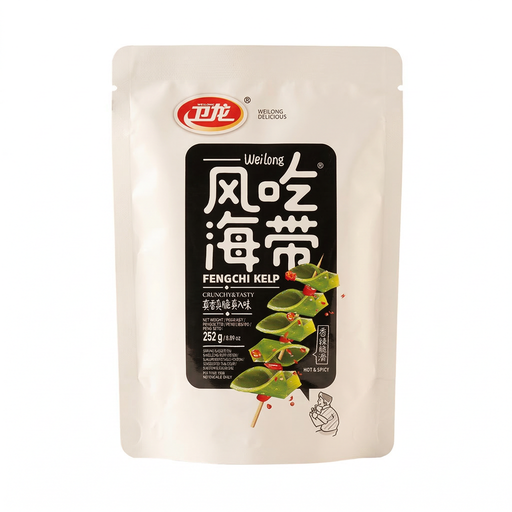
Why this choice suits this profile: With its 28 sachets, this pack is aimed at regular consumers who enjoy strongly flavoured seaweed with notes of chilli, pickled ginger and Sichuan pepper.
The separate portions make storage and serving simple. The kelp content, number of sachets and salt content – 8.23 g per 100 g – are all listed to help you compare with your usual choices.
252 g sharing format, individual portions and a Sichuan-style seasoning.
We've put together a complete, real-time updated list of products that fully meet these strict selection criteria and European safety regulations.
Ready-to-eat products are generally eaten cold, straight after opening. They go easily with rice, noodles, congee, stir-fried vegetables or soup. For a seaweed salad, you can add cucumber, rice vinegar or a few sesame seeds, keeping in mind any allergens already present.
Always follow the instructions on the packet. Several products need to be stored in a cool, dry place before opening, then in the fridge after opening. Some must be eaten within 24 hours, others "quickly". Avoid leaving the product in an open container: seal the packaging carefully to preserve its texture and flavour.
Yes, when a product is labelled "ready to eat". WU JIANG strips, Wei Long products and Bestore knots can all be served straight away. Dried seaweed and some natural knots, however, need to be prepared according to the recipe.
Kombu refers to a family of brown seaweed, particularly used for making dashi stock. The term Japanese seaweed can cover several varieties and formats: dried leaves, flakes, strips or soup mixes. It's best to check the product's form and instructions rather than relying solely on its origin.
It depends on the product. The instructions often recommend storing it in the fridge and consuming it quickly, sometimes within 24 hours. The best-before date, storage conditions and instructions printed on the packaging should always take priority over any general rule.