
Livraison le jour même ou le lendemain

Qualité garantie

Débloquez vos offres de bienvenue: Livraison GRATUITE | Jusqu'à -80 % | 30 jours d'essai gratuits à JoyPlus
Téléchargez l'application
A leak under the sink, a draught around a window, or a box that opens during transit – these problems can't all be solved with the same product. Yet packaging often promises the world: "universal", "resists everything" or "instant repair". To choose the right sealing solution, it's best to consider the surface, the exposure and the type of seal you need.
A tape can stick firmly to a clean surface without lasting against water, temperature changes or movement of the substrate. A butyl sealing tape, for example, is suitable for fittings, cracks and joints exposed to moisture. However, it requires a clean, dry and sufficiently stable surface to ensure good performance.
Conversely, a packaging tape is designed to seal a cardboard box – it is not intended for repairing a pipe or a roof. Its adhesive and BOPP film serve a very different purpose.
A silicone sealant or a sealing thread for fittings may work with certain metals and plastics, but not necessarily with all surfaces. The Rubson sealant shown below is not compatible with bitumen, polyethylene, polypropylene or PTFE. This information is worth checking before ordering, especially when the installation involves multiple materials.
Dust, grease and moisture directly harm adhesion. Even a product designed to repair a leak may peel off if the area has not been properly cleaned or if it remains submerged during application. The drying times stated on the packaging are not just for show – cutting them short to put the installation back into service immediately can compromise the repair.
Measure the length of the seal, the width of the crack and the area to cover. For a window, a 3 or 4-metre roll can make all the difference depending on the perimeter to seal. For a fitting, the pipe diameter and thread type are decisive. An 80-metre spool of thread is more suited to regular use than a one-off repair.
Check the temperature range, resistance to ultraviolet rays, whether the product can be applied to a damp surface, and the curing time. An outdoor solution must withstand weather variations, while a bathroom product needs to cope with repeated exposure to water.
For food preservation, a vacuum sealing machine serves a completely different purpose – it removes air from the bag before sealing it by welding. It does not replace a sealant, a repair tape or a joinery seal.
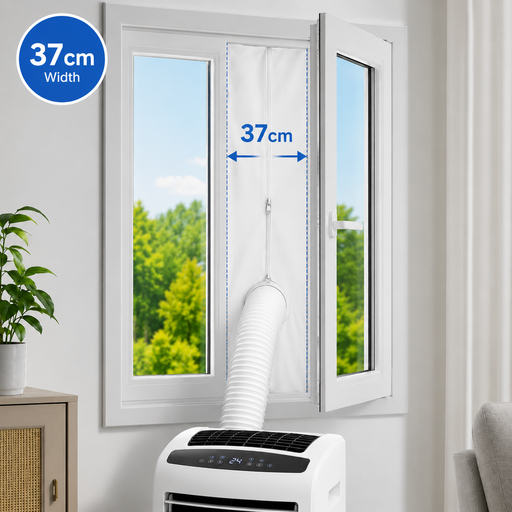
Why this choice suits this profile: With its 4-metre length, this strip is ideal for tenants and homeowners who want to reduce the gap around a portable air conditioner outlet without committing to permanent alterations.
It targets the junction between the window and the hose directly, rather than misusing a packaging tape that was never intended for this purpose.
A 4-metre format and a design dedicated to sealing windows fitted with a portable air conditioner.
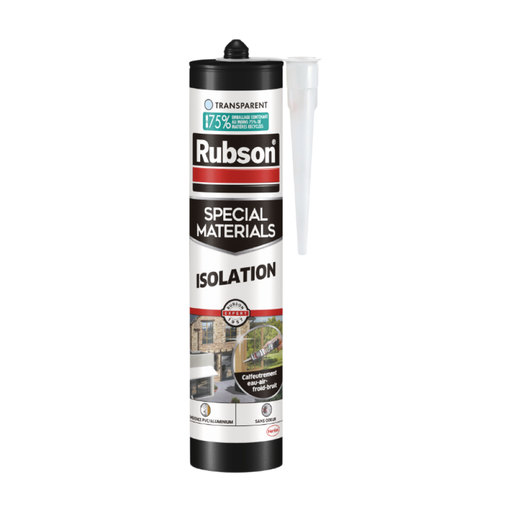
Why this choice suits this profile: When renovating several windows, you may want a discreet finish and a product that can accommodate the natural movement of frames.
Its compatibility list lets you check the surface before application, rather than blindly trusting a claim of universal use.
A 280 ml cartridge, a transparent finish and adhesion claimed on glass, PVC, metal, wood and several mineral surfaces.
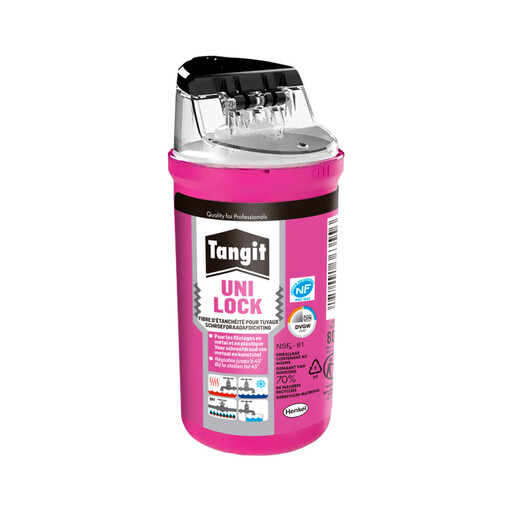
Why this choice suits this profile: Plumbers, regular DIYers and maintenance managers will appreciate a compact solution designed for treating multiple threaded fittings.
The compatible diameters and cylindrical or tapered threads are clearly stated, making it easy to check before assembly.
An 80-metre spool, an adjustable quantity for each fitting, and the possibility of removal in line with the manufacturer's instructions.
We have put together a comprehensive, real-time updated selection of products that meet these demanding criteria, as well as applicable European safety regulations.
For packaging, an eco-friendly kraft tape 50 mm wide can be handy for sealing, labelling and organising boxes. If you prefer a quieter solution, a clear packaging tape sold in multiple rolls will be better suited to an office or shared space.
Start by identifying the material of the fitting, its diameter and the thread type. A sealing thread for fittings is designed for this kind of assembly. For plastic fittings or mixed assemblies, carefully check the product's compatibility before tightening.
The time varies depending on the formula, the thickness applied, the temperature and the humidity level. Follow the manufacturer's instructions and avoid any contact with water or any repressurisation before the stated time has elapsed.
No. It may work for certain roof joints, windows, gutters or outdoor equipment, but the surface must be compatible, clean and dry. In the case of a major leak, a pressurised pipe or structural damage, the intervention of a professional may be necessary.