
Livraison le jour même ou le lendemain

Qualité garantie

Débloquez vos offres de bienvenue: Livraison GRATUITE | Jusqu'à -80 % | 30 jours d'essai gratuits à JoyPlus
Téléchargez l'application
A leak under the sink, water seeping through the roof, or a draught under the door – each requires a different product. Yet the packaging of sealing products often claims a versatility that can be hard to decipher. A sealant designed for a window won't necessarily work on a pipe, while a tape effective on a roof might be overkill for a small interior crack.
Before you place an order, three common mistakes keep cropping up:
The choice depends first and foremost on the surface:
Always check the list of compatible surfaces. The product sheets for UHU Poly Max and Rubson, for example, specify restrictions regarding PE, PP, PTFE and bitumen.
The packaging should suit the size and shape of the repair:
Preparation remains crucial: clean, degrease and dry the surface when the instructions require it. With butyl tape, you should generally avoid applying it in the rain and protect the area for the 24 hours following application.
For outdoor use, compare the stated characteristics:
These criteria are particularly important for roof sealing, windows, doors, motorhomes and boats. However, they are not enough to guarantee a successful repair: the condition of the surface, the width of the crack and the pressure exerted must also be taken into account.
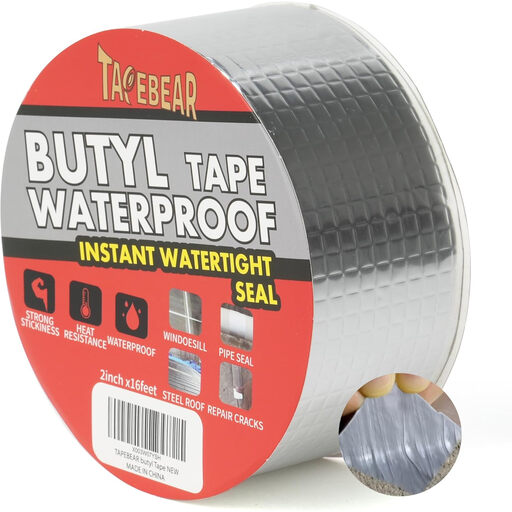
Why this product suits them: This 50 mm x 5 m roll is suitable for one-off repairs to windows, pipes, awnings or small areas of roofing.
Its adhesive format minimises the need for tools. However, the instructions recommend a clean, dry surface and protection from rain after application.
Butyl rubber, reinforced aluminium foil, 50 mm width and a stated temperature resistance of -40 °C to 80 °C.
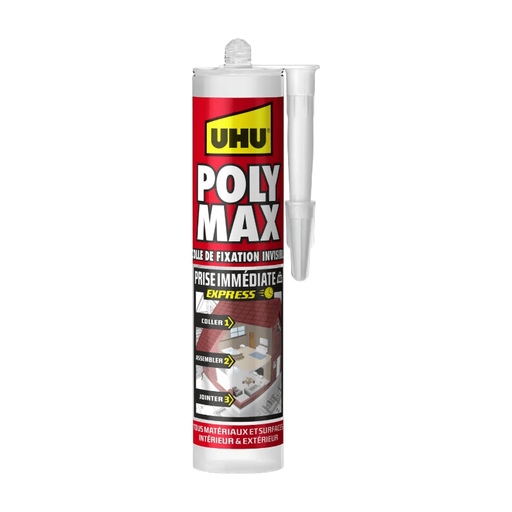
Why this product suits them: Its 300 g cartridge is aimed at projects that require both a strong bond and a discreet joint, indoors and outdoors.
The product sheet details the compatible materials and notably excludes PE, PP, PTFE and bitumen. Checking beforehand therefore prevents an unsuitable purchase.
MSP hybrid polymer, transparent finish, permanent elasticity and a stated temperature range of -40 °C to +100 °C.
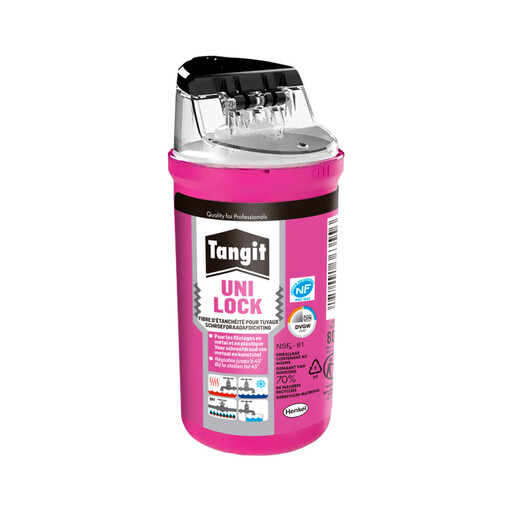
Why this product suits them: This spool is designed for repeated work on threaded fittings in water or gas installations.
It is specifically intended for cylindrical and tapered threads, with maximum diameters indicated according to the type of pipe.
Clean, adjustable and removable application; stated compatibility with metal pipes up to 4 inches and plastic pipes up to 1.5 inches.
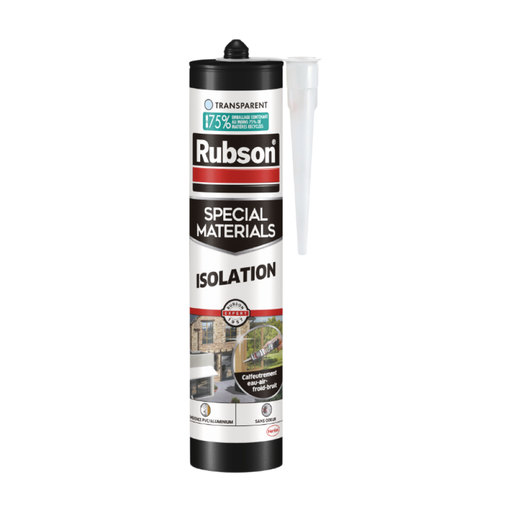
Why this product suits them: This transparent silicone in a 280 ml cartridge is intended for the junctions between frames and casements of windows, doors and roof windows.
It addresses a specific need: limiting the passage of water, air, cold and noise around joinery, rather than repairing a leak on a pipe.
Transparent formula, elasticity capable of accommodating the movement of joinery and stated adhesion to glass, PVC, metal, wood and masonry.
We have put together a comprehensive, real-time updated selection of products that meet these demanding criteria and European safety standards.
In the event of a pressurised leak, on a gas pipe, significant water ingress or structural damage, a temporary repair cannot replace the intervention of a qualified professional.
For an exterior crack or joint, a butyl sealing tape can offer a quick and practical solution, provided the surface is clean and dry. For a threaded fitting, opt for a plumber's thread seal tape or a product specifically designed for this type of connection.
Its lifespan depends on the material, exposure to UV, temperature variations, movement of the surface and the quality of the application. Regularly inspect the seals around windows, doors, gutters and mobile equipment to quickly spot cracks and peeling.
Some polymer sealants can be painted over with acrylic paint, in accordance with the instructions on their product sheet. Silicones, however, are not all compatible with paint. Check the instructions and, if necessary, test on a small area before treating the entire joint.