
Livraison le jour même ou le lendemain

Qualité garantie

Débloquez vos offres de bienvenue: Livraison GRATUITE | Jusqu'à -80 % | 30 jours d'essai gratuits à JoyPlus
Téléchargez l'application
A draught under a door, an exposed floor joint, or sealant that blackens within weeks can turn a small repair into a never-ending job. Yet choosing sealing and insulation products for the home isn't just about comparing a price or a length printed on a packet.
The type of surface, the width of the gap, and exposure to moisture all play a decisive role in the final result. Here are the criteria to check before you buy, along with a selection of solutions suited to different needs for homeowners in France.
An adhesive door and window seal that is too thin won't compress enough and will let air through. Conversely, a profile that is too thick can stop the door from closing properly or put excessive pressure on the frame.
Measure the gap in several places: older joinery often has uneven gaps. Also check the type of surface — wood, PVC, aluminium or painted metal — before choosing your seal.
Bathroom silicone sealant is intended for areas exposed to water, such as around a basin, shower or bath. It remains flexible after drying and forms a watertight seal. Its main drawback: it is generally difficult, if not impossible, to paint over.
Acrylic sealant for walls and windows is better suited to fine cracks, joints between a wall and joinery, and finishing work. Because it can be painted over, it is particularly practical for interior renovation and certain exterior applications. However, it is not the right choice for a constantly wet area.
A product can limit air infiltration, but it will never replace full insulation of walls, glazing or roofing. To improve thermal and acoustic insulation, you need to consider the surface, the continuity of the seal and the quality of the installation.
Also be wary of technical datasheets that don't specify dimensions, compatible materials or usage limits. Without this information, it's difficult to compare solutions on a reliable basis.
Not all foam seals meet the same need. Some are designed for gaps of 1 to 3 mm, while others cover larger spaces, for example 2 to 15 mm for certain foam seals intended for garage doors.
On a door or window in good condition, a thin adhesive seal may be sufficient. For an older or slightly warped frame, choose a profile whose coverage range matches your measurement exactly.
For cartridge sealants, carefully check the list of compatible surfaces. Some products do not adhere to polyethylene, polypropylene, PTFE, plexiglass or bituminous materials. Follow the precautions stated on the packaging and ventilate the room during application.
Even the best product will adhere poorly to a dusty, greasy or damp surface. Before you start:
A filling knife can be useful for smoothing acrylic sealant or removing crumbly parts during a home repair and renovation job. Wear gloves and safety goggles when the safety datasheet recommends it.
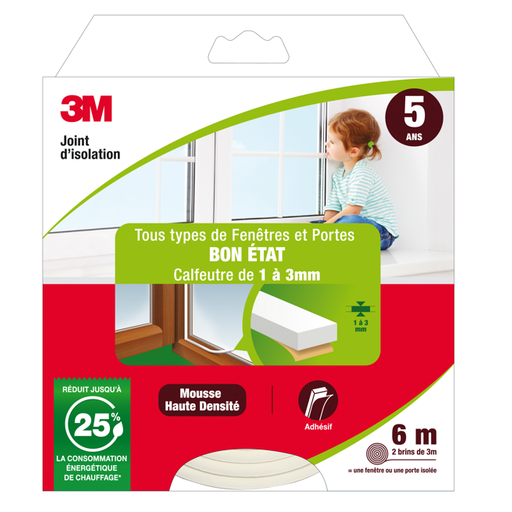
Why this choice suits this profile: Its self-adhesive installation requires no tools, and its 6 m roll is enough for small jobs on doors or windows in good condition.
The stated range of 1 to 3 mm prevents choosing a profile that is too thick or too thin for joinery with little warping.
A soft foam, 6 m length and stated compatibility with wood, PVC and aluminium.
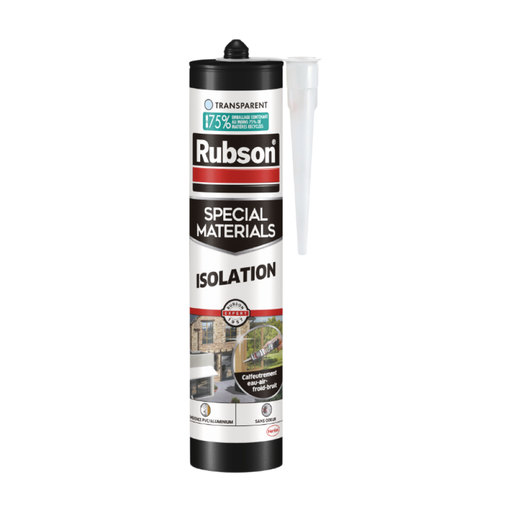
Why this choice suits this profile: This transparent cartridge sealant is aimed at those who want to neatly treat the joints between frames and casements.
The datasheet specifies compatible surfaces and materials to avoid, reducing the risk of mistakes during application.
A one-component acetic silicone, transparent finish and 280 ml volume for window, door and roof window seals.
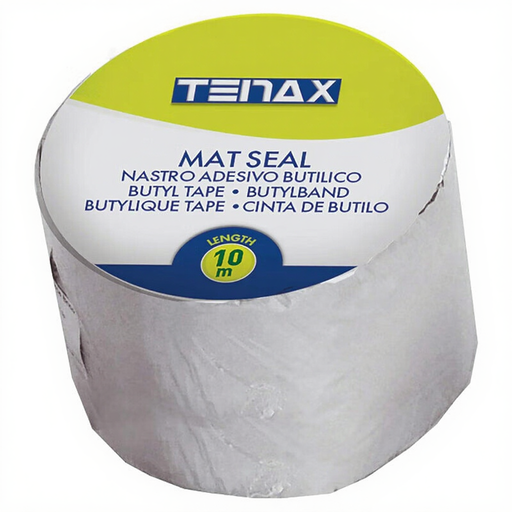
Why this choice suits this profile: This joining strip for artificial grass is suitable for outdoor projects that require a continuous connection between two sections.
The strip is used with a glue designed for artificial grass, rather than a universal adhesive poorly suited to ground moisture.
A 10 m roll, 15 cm width and non-woven synthetic backing designed to receive the installation adhesive.
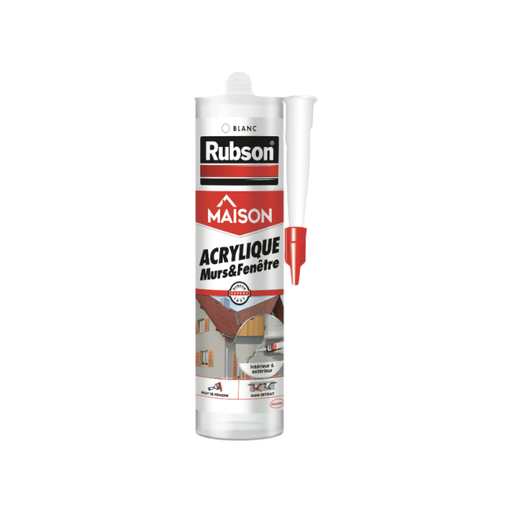
Why this choice suits this profile: It is suitable for wall touch-ups, fine cracks and window joints where the finish needs to be painted afterwards.
Its acrylic formulation avoids applying a non-paintable silicone in an area intended to receive paint or filler.
A 280 ml cartridge, application stated for both indoor and outdoor use, and drying compatible with painting.
A door bottom seal or draught excluder is chosen based on the height of the gap and the type of floor. On a smooth floor, a draught excluder or under-door strip can be fitted quickly. However, measure the available space so as not to hinder opening and closing.
It all depends on the quality of the surface, friction, humidity and cleaning frequency. Installation on a clean, dry, degreased surface significantly increases the chances of good adhesion. Check the condition of the seal, its compression and its adhesion regularly, especially before the cold weather arrives.
Measure the required length, clean and dry both floor coverings, then cut the strip. For self-adhesive PVC models, gradually remove the protective film as you go. A floor transition strip must be wide enough to cover the joint without creating an annoying bump. For a neat finish, press firmly along the entire length and check that the edges remain perfectly fixed.