
Livraison le jour même ou le lendemain

Qualité garantie

Débloquez vos offres de bienvenue: Livraison GRATUITE | Jusqu'à -80 % | 30 jours d'essai gratuits à JoyPlus
Téléchargez l'application
A leak around a threaded fitting, a draught under a door or water ingress may seem easy to fix. However, choosing the wrong sealing gasket often leads to an unnecessary purchase, having to start the installation again or premature wear.
Before comparing products, start by identifying the surface involved, the width of the gap and the conditions the gasket will need to withstand. Plumbing sealing solutions do not meet the same needs as those designed to block draughts.
A door bottom seal designed for a smooth floor may not follow the irregularities of an old wooden floor, tiles with recessed grout lines or a slightly sloping threshold. Conversely, a brush designed for an uneven floor may be unnecessarily bulky on a perfectly flat surface.
The surface matters for pipes too: threaded fitting sealing thread is not used in the same way as a compound or sealing silicone for fittings.
Lifespan depends on how often the door is opened, exposure to moisture, surface preparation and the quality of installation. A promise of several years does not remove the need to check that the product is compatible with your installation.
A seal that is too short, too thin or unable to fill the space under the door will not properly block draughts. Measure the door width and the height of the gap at several points with the door closed. For a fitting, check the diameter, thread type and pipe material.
On an even floor, an adhesive or screw-fixed door bottom seal may be perfectly suitable. Models supplied in lengths of 80 to 93 cm can often be cut to size, but check the recommended cutting method and the maximum gap covered by the manufacturer.
If the floor is uneven, choose a model with soft brushes or several rows. A door seal for uneven floors should follow changes in the surface without obstructing the door.
Read the stated figures carefully. Some models, for example, claim to reduce draughts by up to 80% or compensate for a gap of up to 25 mm. These figures depend on the conditions of use, so they do not constitute an identical guarantee in every home.
Tangit Uni-Lock nylon sealing thread is designed for threaded fittings on metal and plastic pipes. The product information states that it is compatible with cylindrical and tapered threads, as well as with certain water and gas systems. To install it, wind the thread in the direction of the thread, leaving the first thread exposed.
Pipe sealing compound and silicone are used with other installation methods. Tangit Racorétanch Plastique acetic silicone is presented for threaded plastic or metal fittings, particularly in irrigation systems, swimming-pool equipment and compressed-air circuits. Always follow the instructions, temperature limits and conditions of use specified for your installation.
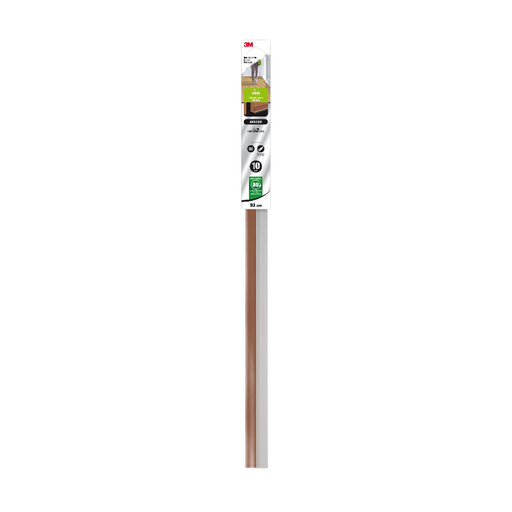
Why this choice suits this type of customer : The adhesive fixing and magnetic system make installation easier in a home where you would rather avoid drilling. Its length can be adjusted to fit a standard door.
It is clearly designed for smooth floors, helping you avoid choosing a magnetic model for a very uneven surface.
80 cm length, tool-free fixing and advertised compensation of up to 60 mm according to the product information.
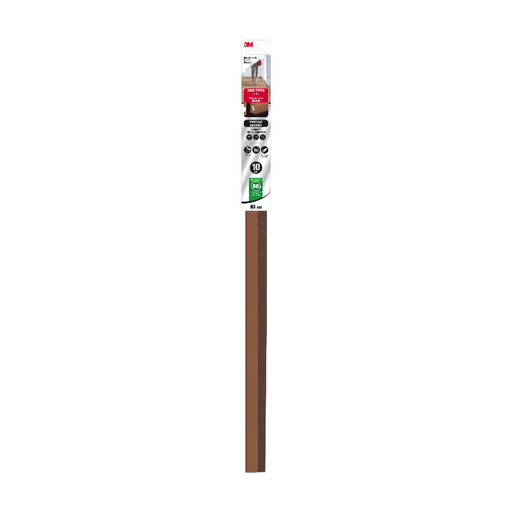
Why this choice suits this type of customer : Its triple-insulation design is aimed at doors exposed to varying gaps and several types of nuisance, such as draughts, moisture and noise.
This is not simply a rigid strip: the brushes and articulated profile are designed to follow uneven floor surfaces.
93 cm length, advertised compensation of up to 25 mm and a stated minimum lifespan of 10 years.
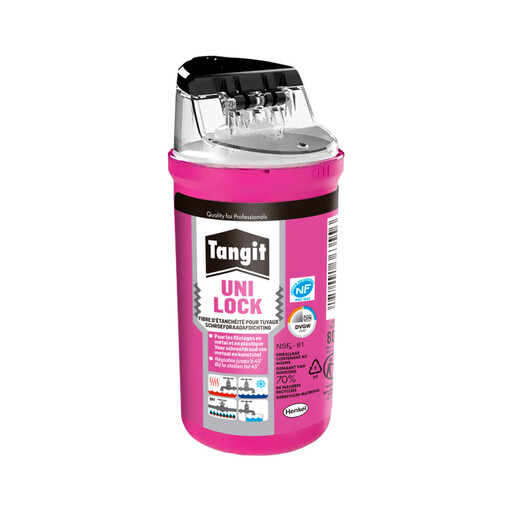
Why this choice suits this type of customer : This format is suitable for repeated plumbing work and fittings that may need to be adjusted or dismantled.
The thread is applied directly to the male thread, avoiding excess compound when you want a clean, quick installation.
80 m reel, advertised use on metal and plastic pipes, with cylindrical or tapered threads.
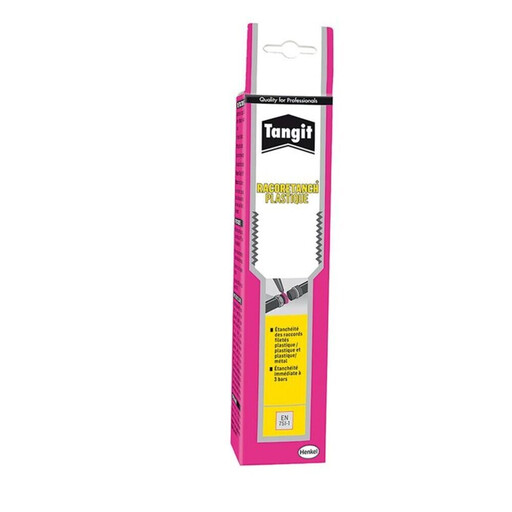
Why this choice suits this type of customer : Its fluid texture is suitable for threaded plastic or metal fittings, particularly in irrigation, swimming-pool and compressed-air systems.
The product information specifies the intended uses and resistance limits, helping you avoid using a generic silicone on an unsuitable fitting.
Low-viscosity formula, advertised resistance to water, oils and certain diluted chemicals, with dismantling possible.
We have compiled a complete, real-time updated list of products that fully meet these strict selection criteria and European safety regulations.
For a door seal, clean and dry the fixing area thoroughly. Take measurements before cutting, then check that the door closes without forcing it. With an adhesive model, apply even pressure along the entire length.
For pipework sealing, dismantle and clean the threads, then apply the product while following the instructions exactly. For a gas installation or a pressurised pipe, a professional may need to carry out the work. Ventilate the room, wear gloves when applying silicone and keep products out of children’s reach.
Choose a model designed for uneven surfaces, with soft brushes or an articulated profile. A rigid seal designed for a smooth floor may leave gaps if the surface is not perfectly flat.
Lifespan varies depending on surface preparation, the number of times the door is opened each day and humidity. Product information may state a minimum lifespan, but this remains an indication that applies under the conditions specified by the manufacturer.
Nylon thread is suitable for certain threaded metal and plastic fittings when used in accordance with the instructions. Silicone may be better suited to particular applications, especially on some plastic fittings. Always check the material, thread type, pressure and temperature before choosing your DIY supplies.