
Livraison le jour même ou le lendemain

Qualité garantie

Débloquez vos offres de bienvenue: Livraison GRATUITE | Jusqu'à -80 % | 30 jours d'essai gratuits à JoyPlus
Téléchargez l'application
Leaks around kitchen basins, draughty window frames, and hairline masonry cracks require targeted remedies rather than a single universal filler. Choosing which maintenance and repair products handle leaks and sealant jobs comes down to matching the chemical formula to your specific physical environment. Standard acrylic caulks provide neat decorator finishes across timber and plaster but break down rapidly under standing water, whereas dedicated sanitary silicones repel moisture continuously yet completely reject household paint.
Navigating home improvement projects in France means balancing water exposure, curing mechanisms, and application formats. Whether you need a compact squeeze tube for a quick washstand repair, a heavy-duty polymer cartridge for structural bonding, or a malleable butyl tape for outdoor fixtures, understanding these material differences ensures clean joint lines, reliable waterproofing, and tidy long-term finishes.
A frequent DIY oversight is treating white acrylic caulk as an interchangeable alternative to sanitary silicone. While acrylic is easy to tool and clean with water, it re-emulsifies or softens under persistent standing moisture, quickly leading to mould growth, joint shrinkage, and leaks behind shower trays or kitchen sinks.
Sanitary silicone cures into an inert, low-surface-energy rubber that naturally repels water, dirt, and paint. Applying emulsion or gloss over standard silicone results in immediate beading, poor adhesion, and peeling paint lines along window frames and skirting boards. Where a seam must be decorated, a paintable acrylic or hybrid polymer is required.
Different mastic bases cure through fundamentally different chemical reactions. Water-based acrylics require dry air to allow moisture evaporation, whereas silicone and hybrid polymers cure by drawing moisture out of the surrounding air. Using an evaporative filler in an airtight or perpetually saturated cavity traps wet product inside, preventing it from forming a resilient seal.
The core resin dictates whether a joint withstands standing water, dynamic building movement, or temperature swings.
The product delivery method determines application speed, bead precision, and whether supplementary tooling is required.
Deciding whether a joint remains exposed or concealed beneath a decorative coat guides material selection.
These four distinct sealant solutions match specific repair scenarios, from quick bathroom touch-ups to structural bonding and weatherproofing.
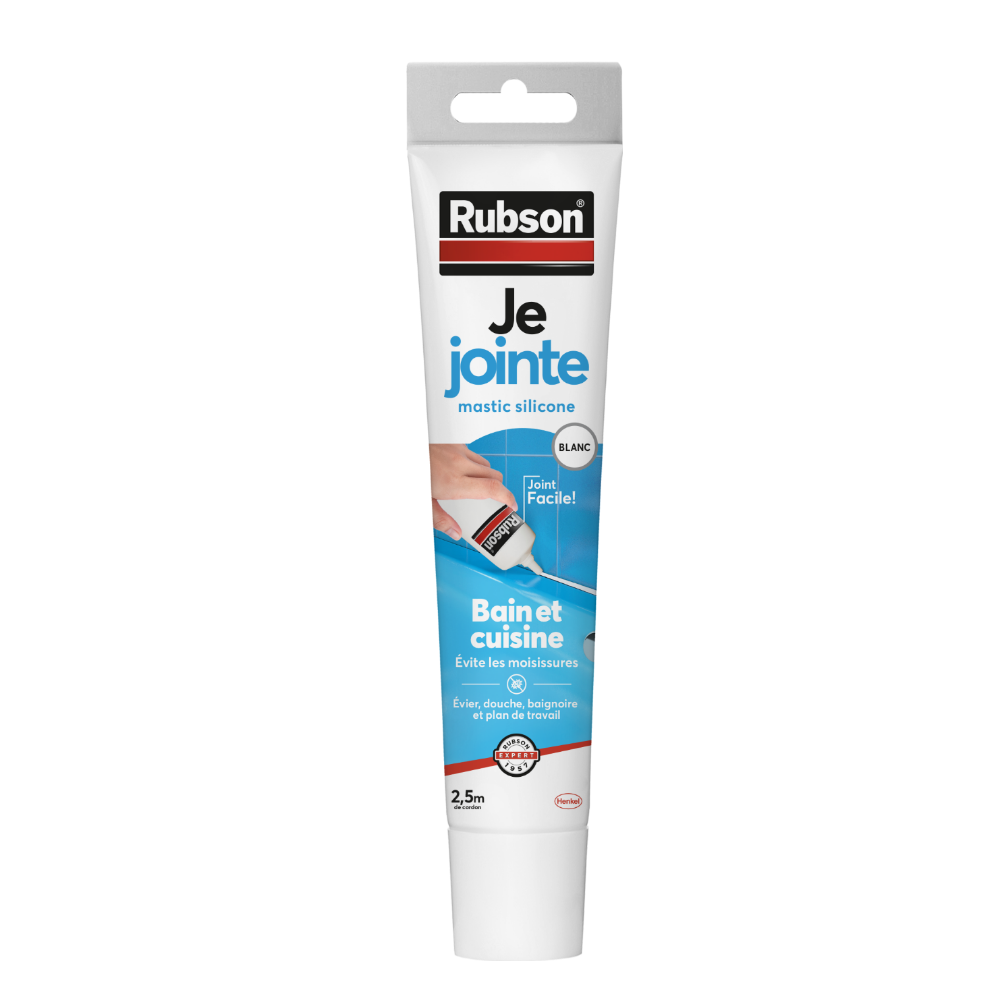
Why This Fits Their Persona: This compact 50 ml squeeze tube dispenses directly from the nozzle, making it convenient for resealing washbasins, bathtubs, and kitchen sinks without setting up a cartridge gun. Its dedicated sanitary silicone base forms a reliable bond with smooth, non-porous surfaces like enamel, glass, and ceramic tiles.
Prevents the waste and shelf-life degradation of large 300 ml cartridges drying out inside a shed after a single minor repair job.
Delivers a durable, mould-resistant sanitary seal that withstands constant water pooling around domestic washbasins.
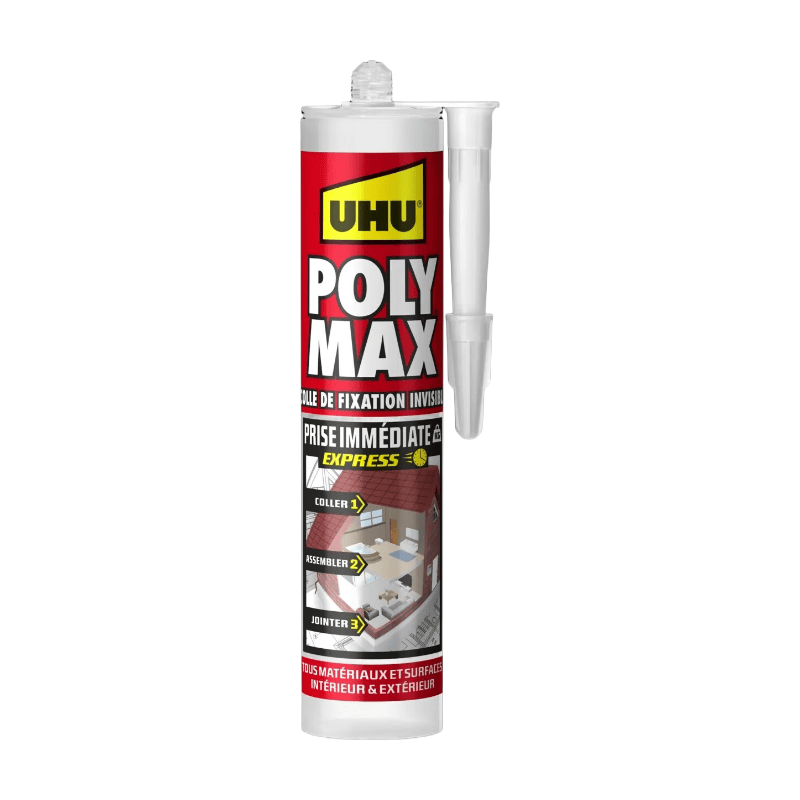
Why This Fits Their Persona: Combining immediate grab with a crystal-clear finish, this 300 g cartridge acts as both a heavy-duty adhesive and a waterproof joint filler. It adheres reliably to timber, tiles, PVC, concrete, and metal across both indoor and outdoor renovation work.
Eliminates unsightly coloured joint lines across transparent fittings, glass splashbacks, and light-toned masonry whilst maintaining resistance to water and UV degradation.
Offers dual-purpose fixing and weather-resistant sealing in a single step, curing cleanly without shrinking or discolouring.
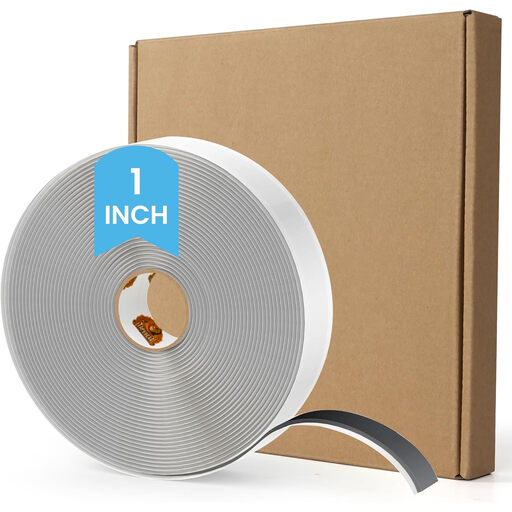
Why This Fits Their Persona: Measuring 25 mm wide and 3 mm thick, this 9-metre roll of malleable butyl rubber creates an immediate watertight barrier between overlapping seams. It adheres tenaciously to metal panels, plastics, wood, and glass on caravan vents, exterior gutters, and domestic pipe collars.
Avoids the mess, panel run-off, and curing delays of liquid mastics when weatherproofing exterior seams subjected to rain or immediate road use.
Remains permanently flexible and non-hardening, dampening structural vibrations and accommodating thermal expansion without cracking.
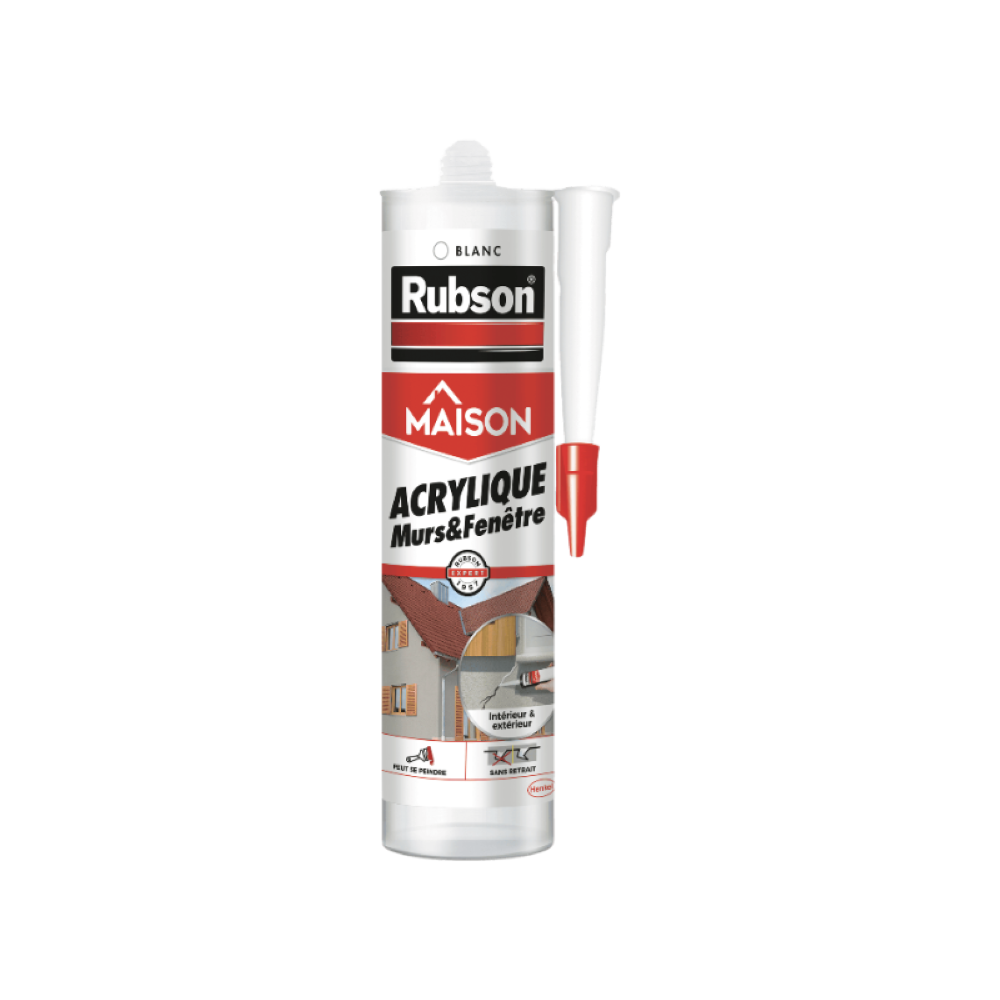
Why This Fits Their Persona: Formulated for internal and external building joints, this 280 ml cartridge fills perimeter gaps around timber window frames, door architraves, and masonry settling cracks. It maintains balanced elasticity to bridge minor framing shifts without pulling away from plaster.
Prevents the peeling and paint-beading problems that occur when attempting to decorate over standard bathroom silicone.
Dries to a smooth, crack-resistant surface that accepts interior emulsion and exterior masonry paints cleanly.
Silicone forms a highly flexible, water-repellent barrier designed for wet areas like baths, sinks, and shower enclosures, but it cannot be painted over. Acrylic caulk is water-based, smooth to apply, and fully paintable, making it suitable for filling gaps along skirting boards, door frames, and plaster cracks, though it is not intended for continuous water immersion.
Moisture-curing formulas, including sanitary silicones and hybrid polymer sealants, actually draw water molecules from ambient air to cross-link and cure. In humid environments, these compounds skin over efficiently, whereas water-based acrylic fillers require dry air for water evaporation and will dry significantly slower if ambient humidity is elevated.
Standard sanitary silicone completely repels paint, causing water-based and solvent paints to bead up and peel away over time. If a seam requires both water resistance and a painted finish, such as along an external window surround or bathroom timber panelling, select a paintable hybrid polymer mastic or a high-grade exterior acrylic rather than pure silicone.