
Livraison le jour même ou le lendemain

Qualité garantie

Débloquez vos offres de bienvenue: Livraison GRATUITE | Jusqu'à -80 % | 30 jours d'essai gratuits à JoyPlus
Téléchargez l'application
A leak around a sink, a window letting in drafts, or an ageing caravan seal may not require the same product. Yet packaging often promises “universal” adhesion or exceptional durability without specifying compatible surfaces, drying times, or usage limitations.
To avoid the wrong purchase, start by distinguishing between sealant, fixing adhesive, and technical tape. Here are the criteria to consider before choosing a solution available in France.
A sanitary silicone sealant can create a watertight seal around a bathtub, but it is not necessarily designed to secure a shelf. Conversely, an extra-strong adhesive may hold two elements together without being suitable for an area constantly exposed to water.
Start by defining the intended function:
Glass, PVC, wood, metal, polyethylene and polypropylene do not all react to adhesives in the same way. Some UHU and Pattex products specifically state that they are incompatible with PE, PP, PTFE, bitumen or certain plastics.
The term “multi-material” is therefore no substitute for checking the list of approved surfaces. When working with plastic, it is best to test the product first on a small, inconspicuous area.
Even a suitable sealant can come loose if the surface is greasy, dusty or damp. Residual silicone, soap deposits and flaking paint can significantly reduce adhesion.
Before application:
Sanitary silicone sealant remains flexible after curing. It is suitable for bathrooms, kitchens, sinks, showers and worktops. A mould-resistant formula can be worthwhile in a humid room, but it cannot guarantee the permanent absence of marks if ventilation is inadequate.
Acrylic sealant is primarily intended for cracks and joints around walls, doors and windows. It can generally be painted once dry, making it practical for both interior and exterior renovation work. However, it is less resistant to submerged areas or constant moisture.
Hybrid polymer adhesive combines bonding and joint sealing. Depending on its technical specifications, it may be suitable for wood, tiles, metal, glass or concrete. Always check whether the application requires a porous surface, prolonged pressure or a 24-hour curing period.
For outdoor use, check the information relating to:
For automotive and marine sealing, silicone designed for windscreen, porthole, headlight or caravan seals will be more suitable than a standard sanitary product. Resistance to salt water and road salt may also be listed in the product description.
280 to 310 ml cartridges generally require a cartridge gun. A model with a high thrust ratio makes it easier to extrude thicker products, while a standard ratio is sufficient for more fluid formulas.
For a small repair, a 50 or 75 ml tube avoids the need to purchase an additional tool. For several windows or a complete renovation, a cartridge is generally more convenient and more economical in use.
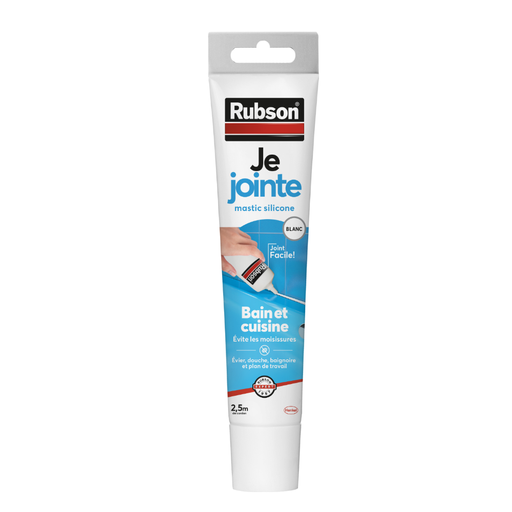
Why this choice suits this profile: its compact format is ideal for touch-ups around a sink, bathtub, kitchen sink or worktop, without requiring a cartridge gun.
The small format helps minimise waste during occasional repairs. However, check the stated incompatibilities with acrylic, PE, PP, PTFE and certain synthetic materials.
Direct application from the tube, with stated adhesion to enamel, porcelain, glass, ceramic and aluminium.
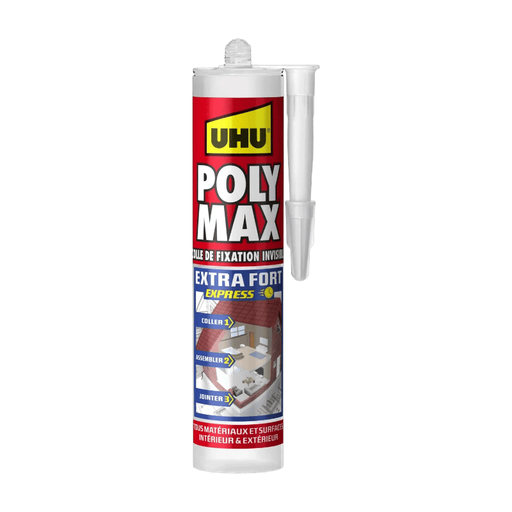
Why this choice suits this profile: its transparent formula is ideal for assemblies where the appearance of the joint matters, particularly on glass, tiles, wood or metal.
The technical data clearly identifies excluded surfaces, including PE, PP, PTFE and bitumen. This check reduces the risk of choosing an adhesive marketed as universal.
Solvent-free hybrid polymer, suitable for indoor or outdoor use, with permanent elasticity according to the manufacturer’s information.
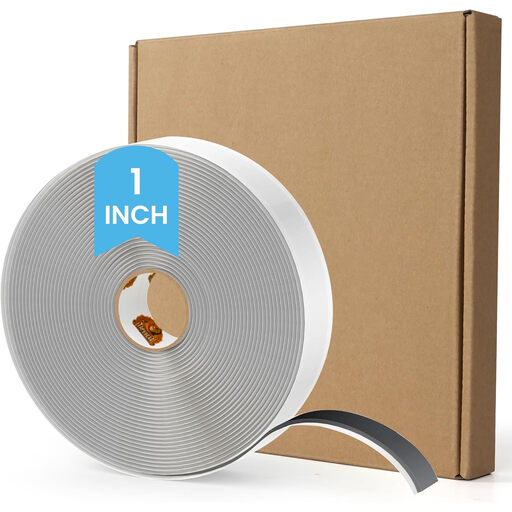
Why this choice suits this profile: this tape can be shaped around motorhome windows, bodywork, boats, pipes and irregular areas that require a barrier against water and air.
Its 25 mm width and 3 mm thickness are clearly specified in the product details. Apply the tape to a clean, dry surface without stretching it, then press down evenly.
Butyl conforms to irregular shapes and adheres in particular to fibreglass, metal, plastic, wood and glass, according to the product description.
We have brought together an updated selection of products suited to different bonding, joint-sealing and waterproofing needs for projects in France.
For a standard cartridge, choose a cartridge gun compatible with 280 to 310 ml formats. The WORKPRO model available on Joybuy offers 9:1 and 18:1 thrust ratios, allowing you to adjust the effort to the viscosity of silicone, acrylic, butyl or construction adhesive.
For a joint, apply one continuous bead rather than several small dabs. Smooth it promptly with a suitable tool, then remove the masking tape before the product begins to skin over. Drying time varies according to humidity, temperature, bead thickness and formula.
Sanitary silicone is generally intended for joints around sinks, bathtubs, showers and washbasins. Check its compatibility with the surface and allow the joint to cure in accordance with the instructions before exposing the area to water again.
It may be suitable for filling cracks and sealing around frames made of wood, plaster, cement, aluminium, PVC or brick, depending on the product selected. Its main advantage is that it can be painted once dry. In the event of persistent water ingress, identify the source of the problem before covering the joint.
Its lifespan depends on the formula, surface preparation, substrate movement, humidity, ultraviolet exposure and temperature fluctuations. Inspect the joint regularly and replace it if it cracks, comes loose, turns black or becomes brittle. Always follow the precautions stated in the product’s technical documentation and safety data sheet.