
Livraison le jour même ou le lendemain

Qualité garantie

Débloquez vos offres de bienvenue: Livraison GRATUITE | Jusqu'à -80 % | 30 jours d'essai gratuits à JoyPlus
Téléchargez l'application
Choosing an SD card can quickly become a headache. Between cryptic acronyms like UHS, V30, or SDXC and a jungle of capacities and speeds, it's easy to get lost. Yet, the wrong card can throttle your camera's performance, cause dropouts mid-4K recording, or simply turn out to be a poor investment.
This guide is here to demystify this technical jargon and help you find the perfect memory card for your gear and your needs. On the agenda: clear-cut selection criteria and our picks for the best cards of 2026, whether you're a professional photographer, a passionate videographer, or simply looking for more space for your console or smartphone.
Before diving into our top picks, here are the essential criteria to know so you can make the right choice.
Speed is the name of the game, especially for video and burst photography.
Always check your device's compatibility: an older model might, for example, not support a 512GB SDXC card.
Here is our selection of cards that stand out from the pack, chosen for their performance and relevance for different use cases.
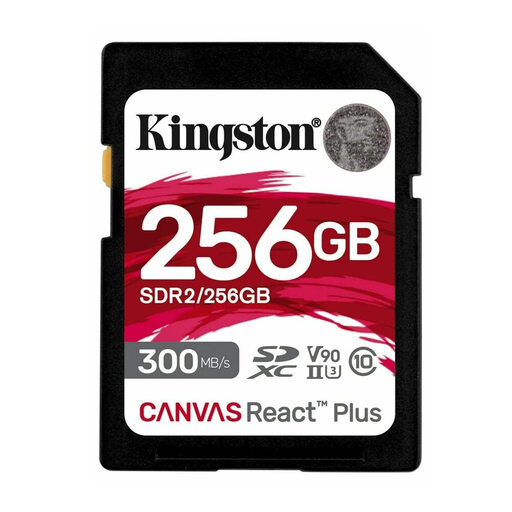
Why It Stands Out
This Kingston card is aimed at creators for whom speed is non-negotiable. Thanks to its UHS-II interface and V90 speed class, it handles the most demanding workflows without breaking a sweat, from 8K video capture to RAW burst photography.
Key Features
Who Is It For?
Professional photographers and videographers equipped with recent mirrorless or DSLR cameras capable of fully leveraging the UHS-II interface. It's the go-to choice for a high-end camera memory card.
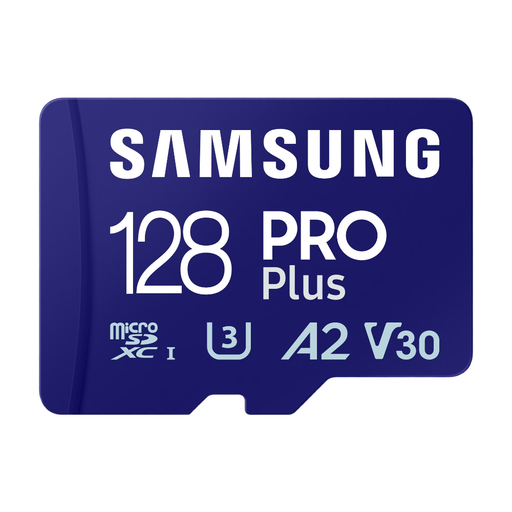
Why It Stands Out
The Samsung PRO Plus is the micro SD card that embodies the perfect balance of performance, versatility, and reliability. Bundled with its SD adapter, it moves from a drone to a smartphone, then to a laptop with incredible ease, all while delivering solid performance for 4K capture.
Key Features
Who Is It For?
Owners of drones, action cameras, Android smartphones, and gaming consoles (like the Nintendo Switch) who need a fast and reliable storage solution for their apps and 4K recordings.
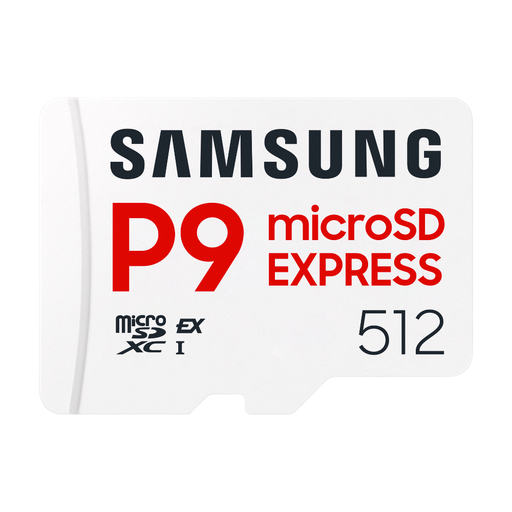
Why It Stands Out
This Samsung card represents the future of portable storage. By adopting the SD Express standard, it delivers read speeds that rival those of some internal SSDs. It's the dream solution for professionals juggling colossal files who want to get ahead of the curve.
Key Features
Who Is It For?
Creators, post-production pros, and savvy tech enthusiasts who own (or are eyeing) SD Express compatible hardware to skyrocket their productivity.
Our selection highlights flagship models for specific uses. But if you're looking for a different capacity, another brand, or a more budget-friendly option, there's no shortage of choices.
Feel free to explore our full catalog to find the perfect match.
The main difference lies in storage capacity. SDHC (High Capacity) cards have a capacity of up to 32GB. SDXC (Extended Capacity) cards offer a higher capacity, ranging from 64GB to 2TB. Almost all modern devices are SDXC compatible, but checking your device's manual is always the best precaution.
Absolutely. UHS-II cards are backward compatible with UHS-I slots. However, the card will be limited by the slower interface, meaning it will operate at UHS-I speeds. You will not benefit from the performance gains of UHS-II technology.
To shoot in 4K smoothly, you should opt for a memory card with at least a V30 certification. This rating ensures a sustained write speed of 30 MB/s, which is sufficient for most consumer 4K formats. For more demanding bitrates (4K at 60 fps and higher), a V60 or even V90 card will be necessary.