
Livraison le jour même ou le lendemain

Qualité garantie

Débloquez vos offres de bienvenue: Livraison GRATUITE | Jusqu'à -80 % | 30 jours d'essai gratuits à JoyPlus
Téléchargez l'application
For crafting enthusiasts, the difference is in the details. In both scrapbooking and card making, a successful project comes to life through the finesse of its finishing touches. This is where scrapbooking cutting dies come in: they have become essential for adding precision and originality. But faced with an overwhelming number of options, the risk of ending up with the wrong product is high: a die that tears paper, warps after a couple of uses, or, even worse, proves incompatible with your machine. To help you avoid these pitfalls and make a smart investment, we've broken down the traps to avoid and the criteria that truly matter.
Before you check out, keep an eye out for these common problems that can turn a creative session into a real headache.
To make the right choice, focus on these few technical points that make all the difference.
The composition of the metal cutting die is paramount. Always opt for models made of carbon steel. This material is renowned for its robustness and its ability to maintain a sharp edge for much longer. It guarantees flawless cuts pass after pass, even on thick paper. A carbon steel die is a durable investment that will accompany you on countless photo album decoration or card-making projects.
The ideal design primarily depends on the paper you plan to use.
Some dies also allow for paper embossing, a technique that creates a raised effect without cutting. Remember to check if the die offers this dual function: it's a real bonus for adding variety to your creations.
It's the easiest point to check, yet the most frequently overlooked. Before confirming your order, measure the maximum width accepted by your machine (Sizzix Big Shot, Cricut, etc.) and compare it to the die's dimensions. This simple precaution will save you from guaranteed disappointment upon delivery.
To help you see things more clearly, here are a few models that meet specific needs while adhering to our criteria for quality and practicality.
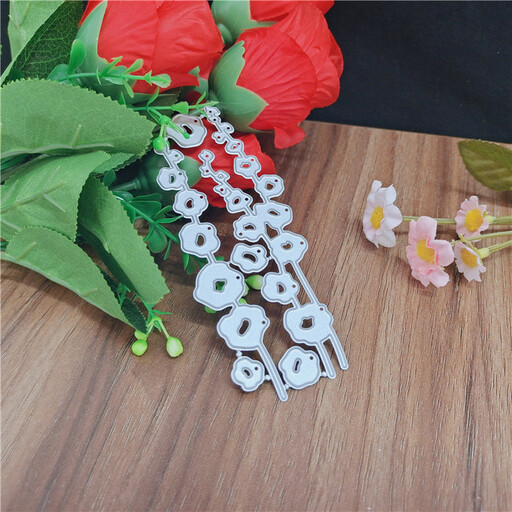
Why we love it: Perfect for getting started and building your first collection. Floral designs are timeless classics that suit a host of projects, from a simple card to an album page decoration, all without breaking the bank.
Its simple designs with well-defined outlines guarantee a clean cut, even for beginners. No more frustration from details that tear the paper!
Great versatility at a budget-friendly price. Perfect for honing your skills and enhancing your first creations.
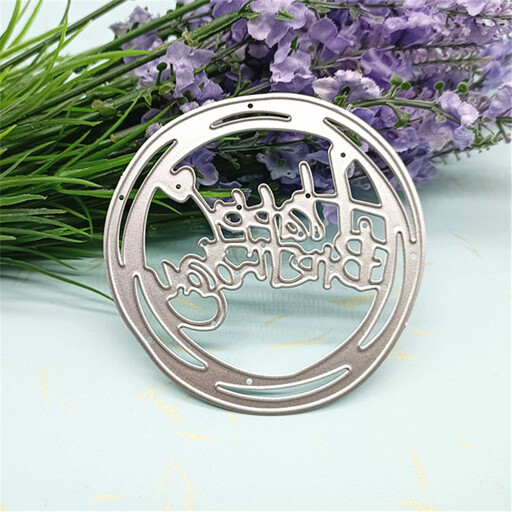
Why we love it: A must-have for anyone who regularly makes birthday cards. It adds a professional and flawless finish in the blink of an eye.
The fairly thick typography ensures a clean cut and excellent legibility. This avoids the classic trap of overly thin lettering that cuts poorly or tears.
A precious time-saver for a flawless result on all your birthday cards.
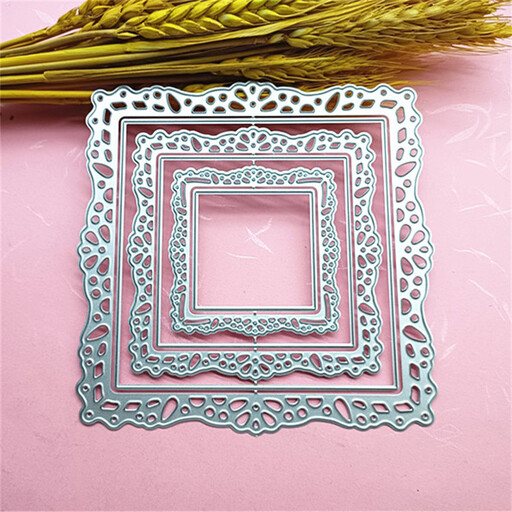
Why we love it: Designed for more advanced scrappers who want to create page backgrounds or complex layers. This type of die instantly adds rich texture and a strong visual impact.
Despite its complexity, its structure is designed for a uniform cut. Be careful, though: it's crucial to use it with a well-calibrated machine to avoid poorly cut areas, a common pitfall with large, patterned dies.
It creates a spectacular "paper lace" effect in a single pass. Perfect for elegant wedding cards, invitations, or album pages.
Explore our full selection of products that meet our quality criteria to bring all your creative projects to life.
After each session, remove any small, stuck paper pieces with a fine brush or a pointed tool. For really stubborn residue, the trick is to run a sheet of wax paper with the die through your machine. Finally, store them flat, ideally on magnetic sheets, to prevent them from warping.
Yes, most dies can cut much more than just paper. Depending on their quality and your machine's pressure, you can try cutting thin felt, vinyl, EVA foam, fusible fabric, or even thin metal sheets. The golden rule: always do a test cut on a small scrap before you commit to your main piece.
The two have completely different functions. A cutting die is a sharp metal shape that, when passed through a machine, cuts out a design. A scrapbooking stencil is a plate (often plastic) with patterns cut into it. It's used to apply ink, paint, or texture paste through the openings, but it never cuts the paper.