
Livraison le jour même ou le lendemain

Qualité garantie

Débloquez vos offres de bienvenue: Livraison GRATUITE | Jusqu'à -80 % | 30 jours d'essai gratuits à JoyPlus
Téléchargez l'application
Cutting dies, or simply "dies" to those in the know, are invaluable tools for personalising your scrapbooking, card making, and other paper craft projects. Their promise? Perfect, endlessly reproducible cuts for a professional-grade finish. The only downside: the market is flooded with models, and it's easy to end up with a disappointing product. Some dies cut poorly, wear out quickly, or are simply not compatible with your machine.
As a product expert at Joybuy, my mission is to help you navigate the options. Let's break down the common pitfalls and the key criteria to look for to make the right choice. The goal is to ensure your investment in crafting supplies remains a source of joy, not frustration.
Before you check out, watch out for these three classic mistakes that can quickly turn a good deal into a disappointment.
To be sure of the quality and suitability of your future scrapbooking cutting dies, here are the technical points to verify.
The material is the primary indicator of durability. The majority of metal cutting templates are made of carbon steel. This material offers the best compromise between the sharpness required for cutting and the strength needed to withstand the repeated pressure of the machine. A quality die should be rigid and not bend easily between your fingers. This rigidity not only ensures a longer lifespan but also allows you to use your dies as embossing stencils with the appropriate mat.
Think about how you'll use them. Are you looking for shapes for specific occasions or more versatile, all-purpose designs?
Always check the product description. A reputable seller will always specify which machines their dies are compatible with. The absence of this information should be a red flag. A standard die is generally between 1 and 2 mm thick and works with the basic setup of most machines, but checking is always the best precaution.
To help you get started, here is a selection of products that meet different needs and creative profiles, in line with the criteria we've just discussed.
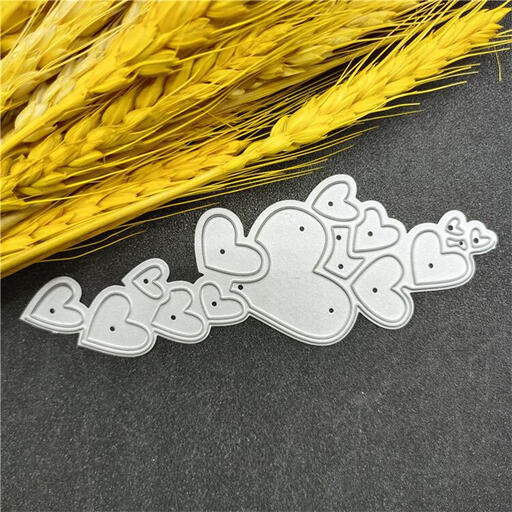
Why we chose it: Perfect for getting started, this set of hearts is incredibly versatile. It can be used for greeting cards, album pages with a love or family theme, or simply to add a small decorative touch. An excellent foundation for starting your collection.
The simple, clean design of the hearts ensures a crisp cut and easy release, avoiding the trap of overly complex designs that snag the paper.
A timeless and universal design, perfect for a multitude of occasions (Valentine's Day, weddings, births, etc.).
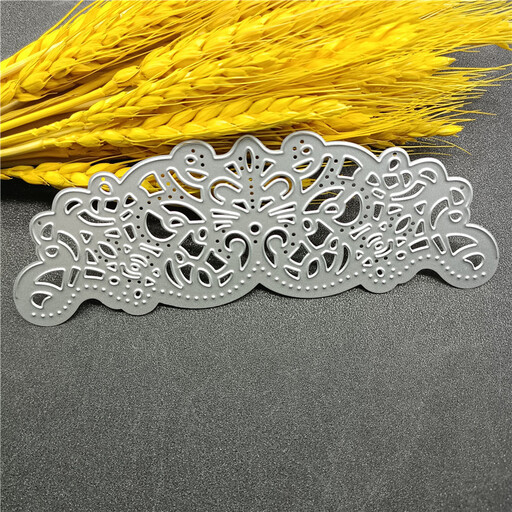
Why we chose it: For fans of delicate finishes, this type of die is a must-have. It allows you to create sophisticated decorative borders that transform a simple card into a refined piece. Ideal for wedding invitations or elegant greeting cards.
Made from high-quality carbon steel, this die is sturdy enough to cleanly cut the fine details of the lace without dulling too quickly.
It instantly adds a high-end touch to any paper creation thanks to its professional finish.
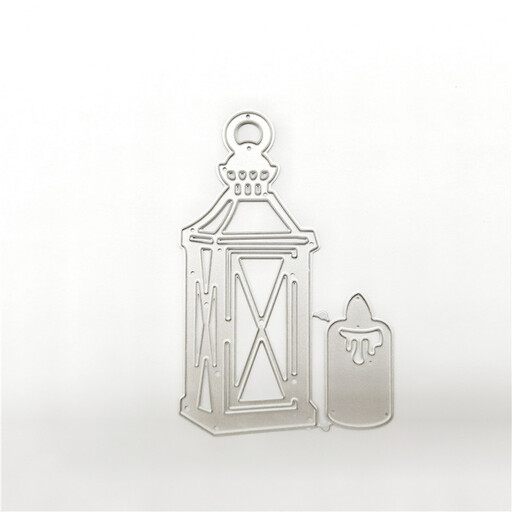
Why we chose it: This type of openwork die is doubly useful. Not only does it create a unique cut, but it's also perfect for use as an embossing stencil. It adds relief and a unique texture to your projects, ideal for oriental or Christmas themes, or simply for a stunning visual effect.
Its well-defined structure, with clean and sufficiently spaced lines, ensures good performance in both cutting and embossing, without the paper getting stuck.
Dual function: cutting and embossing. A single tool for two creative techniques.
We've curated a complete, up-to-date selection of products that meet these demanding selection criteria.
Most metal cutting dies are compatible with standard manual die-cutting machines on the market (Sizzix Big Shot, Vaessen Creative Cut'Em Easy, etc.). However, it is advisable to check the product description for any specific compatibility notes. For some machines or very thin dies, a set of adapter plates may be necessary.
Proper maintenance extends the life of your tools. After each use, gently remove any remaining paper scraps with a small brush or a fine-tipped piercing tool. Store your dies flat to prevent them from warping. Magnetic storage sheets are an excellent solution for storing them: they keep them in place and protect them.
Yes, many metal cutting templates can be used as embossing stencils. To do this, simply replace your bottom cutting plate with a silicone or rubber embossing mat. Instead of cutting the paper, the machine's pressure will create a raised impression following the die's design. It's an excellent way to add texture to your creations.