
Livraison le jour même ou le lendemain

Qualité garantie

Débloquez vos offres de bienvenue: Livraison GRATUITE | Jusqu'à -80 % | 30 jours d'essai gratuits à JoyPlus
Téléchargez l'application
For any crafting enthusiast, precision isn't just a detail—it's the cornerstone. Every album page, every greeting card is a blank canvas where the details make all the difference. Achieving clean, intricate cuts by hand is often an uphill battle. This is where the scrapbooking cutting die comes into play, a true ally for transforming a simple sheet of paper into a small work of art.
But with an overwhelming variety of shapes, sizes, and brands, how do you find your way? This guide is here to shed some light. We'll break down the essential selection criteria and introduce you to the gems that will enrich your collection of scrapbooking supplies. Our goal: to give you all the keys to choosing the tools perfectly suited to your creative desires.
Before you fall for a new model, there are a few points to check to ensure your future cutting die is perfectly compatible with your expectations and your equipment.
This is the number one criterion: compatibility. The vast majority of dies, sometimes called cutting punches, are designed for the leading cutting machines on the market (e.g., Sizzix Big Shot, Spellbinders Platinum, etc.). However, a quick look at the die's dimensions and your machine's specifications is essential. A die for the Big Shot, for example, will often be compatible with other models, but a quick check will save you from any unpleasant surprises. Be aware that larger or thicker dies may require specific cutting plates or a large-format machine.
There are two main types of dies:
Your choice will therefore depend entirely on the nature of your projects. For card making and delicate page embellishments, thin dies will do the job perfectly. For 3D projects or those that mix materials, a thick die will be indispensable.
Some dies are true Swiss Army knives! Beyond cutting, they also allow you to do scrapbook embossing. By using a silicone mat suited for your machine, the die no longer cuts the paper but instead imprints its pattern in relief. This technique adds texture and depth to your creations without needing an extra tool. An alphabet die, for example, can be used to cut out letters or simply emboss them onto a card background for a stunning tone-on-tone effect.
To help you get started or expand your creative arsenal, here are a few gems that stand out for their versatility and popularity within the community.
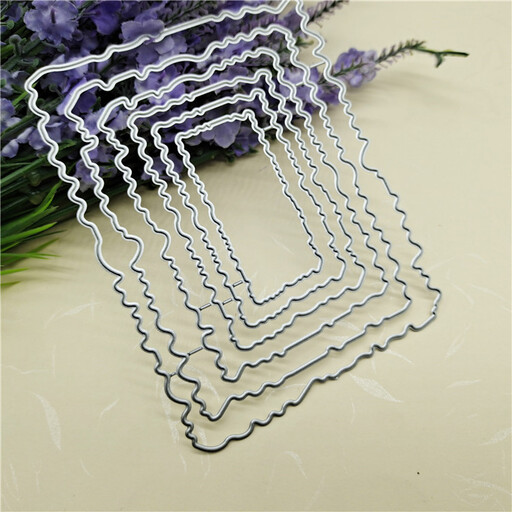
Why we love it: Frames are an essential staple in scrapbooking and card making. This set offers several nesting sizes, perfect for creating layering effects, windows in your cards, or for framing photos with a flawless finish.
Advantages:
Who is it for?: Ideal for card making enthusiasts and scrapbookers who want to structure their pages and highlight specific elements like photos or messages.

Why we love it: The fine detail of this floral die is stunning. It instantly adds a touch of elegance and sophistication to any project. The pattern is so detailed that it stands on its own as the centrepiece of your creation.
Advantages:
Who is it for?: For lovers of natural and romantic patterns looking to bring a poetic and refined dimension to their creations.
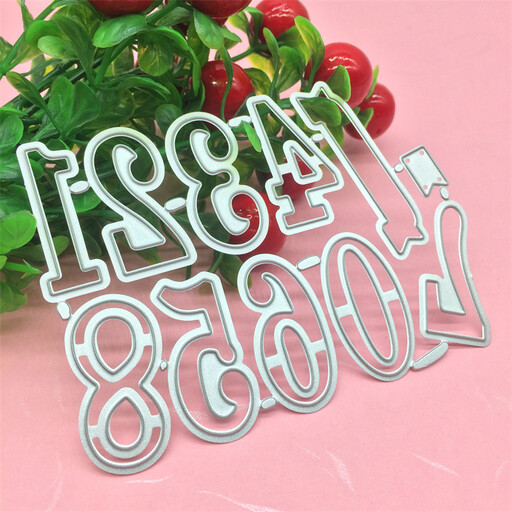
Why we love it: Personalisation is the very essence of scrapbooking. This complete alphabet die set, which also includes numbers, is the ultimate tool for creating custom titles, names, dates, or messages with consistently clean and harmonious typography.
Advantages:
Who is it for?: An absolute essential for all enthusiasts. Whether you're a beginner or an expert, the ability to cut flawless text is a game-changer.
As you can see, the possibilities offered by cutting dies are nearly endless. If the models in our selection don't fit your current project, or if you're simply curious to discover other designs (animals, geometric shapes, seasonal themes…), a huge range of tools is waiting for you to unleash your creativity.
? Discover our complete collection of paper craft cutting tools to find the perfect die for your next creation.
The vast majority of cutting dies are compatible with the most popular manual machines, such as the Sizzix Big Shot, the Spellbinders Platinum, or the We R Memory Keepers Evolution. The rule of thumb: always check the width of the die and compare it to your machine's opening.
After each use, remove small paper scraps with a brush or a fine-tipped tool. To preserve their cutting edge and prevent warping, store them flat. A pro tip: use magnetic sheets to keep them in place and find them at a glance.
Yes, but it all depends on the type of die. Thin dies (like thinlits) are reserved for thin materials: paper, cardstock (up to about 250 gsm), thin foam, or vinyl. To tackle thicker materials like felt, cork, fabric, or chipboard, you will absolutely need sturdier, steel-rule type dies.