
Livraison le jour même ou le lendemain

Qualité garantie

Débloquez vos offres de bienvenue: Livraison GRATUITE | Jusqu'à -80 % | 30 jours d'essai gratuits à JoyPlus
Téléchargez l'application
A Scotch whisky can reveal notes of honey, ripe fruit, vanilla, nuts or even smoke. But an attractive label and a high price do not guarantee a bottle you will enjoy. To choose a Scotch whisky without being swayed by marketing, it is better to focus on a few practical criteria.
This selection is aimed at adults who want to discover a single malt whisky, compare a blended whisky or give a tasting set as a gift. Alcohol should always be consumed in moderation. It is not recommended during pregnancy and is prohibited for under-18s.
The age shown on the bottle corresponds to the minimum maturation period of the youngest whisky present in the blend. On its own, it does not predict how the whisky will taste. A 12-year-old whisky can be fruity, oaky, spicy or influenced by sherry, depending on the casks used.
A single malt whisky is produced at a single distillery using malted barley. This designation tells you neither the alcohol content nor the intensity of the flavours. By contrast, a blended whisky combines malt and grain whiskies to create a consistent, approachable profile.
Maturation in casks has a major influence on the final profile. A whisky matured in bourbon casks often develops notes of vanilla, coconut or caramel. A whisky matured in sherry casks may suggest dried fruit, candied citrus, walnuts or spices. These descriptions are subjective, however: every palate responds differently.
Scotland’s regions offer useful pointers, but they do not confine every bottle to one clearly defined style.
The Scotch Whisky designation guarantees that the whisky is produced and matured in Scotland, in accordance with the applicable regulations. You should also check the country of origin, volume and alcohol content shown on the label.
A 70 cl bottle is suitable for regular enjoyment as well as for a classic gift. The 4 × 5 cl format, as found in the Clubhouse set, is better suited to occasional tasting or a more unusual gift.
A 40-degree whisky has an alcohol content of 40 % vol. This is the most common strength for blends and many accessible bottles. Some bottles are bottled at 46 %, including Benriach Smoky Ten and Big Peat. A higher strength can provide greater depth on the palate, but it does not guarantee that you will enjoy the bottle more.
A peated whisky releases aromas of smoke, ash, damp earth and sometimes medicinal notes. If you are new to whisky, start with a lightly smoky expression before moving on to more intense profiles.
To taste your whisky, pour a small amount into a suitable glass. Try it neat first, then add a few drops of water if the alcohol dominates too much. Ice cubes cool the spirit quickly and can soften the perception of certain aromas. Cocktails and serving over ice are better suited to versatile blends.
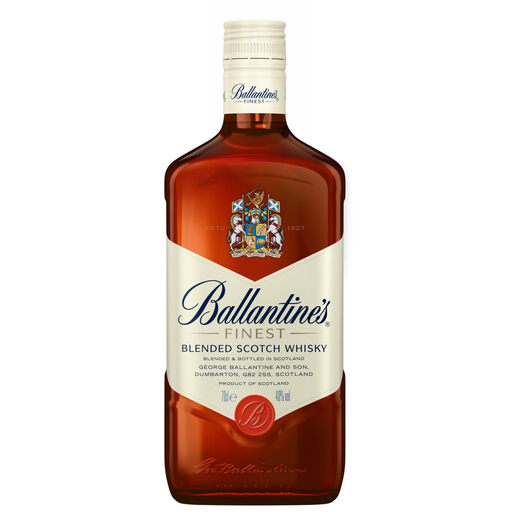
Why this choice suits this profile : Its blend of malt and grain whiskies offers a straightforward introduction to Scotch whisky, whether enjoyed neat, with ice or in a cocktail.
The bottle clearly states 40 % vol. and 70 cl. Its blended style also reduces the risk of starting with a whisky that is too peaty or powerful.
Advertised notes of chocolate, red apple and vanilla. A 70 cl format and genuine versatility.
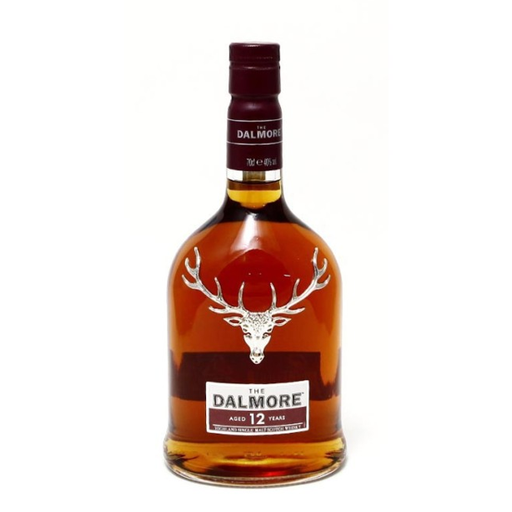
Why this choice suits this profile : This Highland single malt is best enjoyed slowly, particularly after a meal, giving you time to explore the influence of several types of cask.
The product details state the age of 12 years, the strength of 40 %, the 70 cl format and maturation in bourbon and Oloroso sherry casks.
Advertised notes of orange, nuts, ripe fruit and mint. Serve neat or with whisky stones.
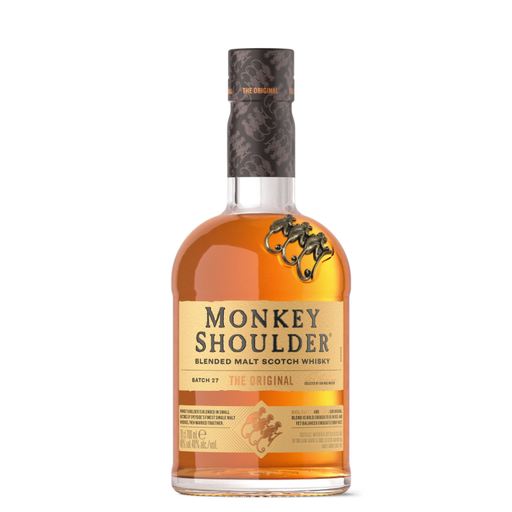
Why this choice suits this profile : Its blend of three Speyside single malts works equally well neat or in a cocktail, particularly when entertaining.
The composition and alcohol strength are stated, without making age the central selling point. You can therefore choose it according to how you plan to use it.
A profile described as smooth and approachable. It works neat, over ice or in a cocktail.
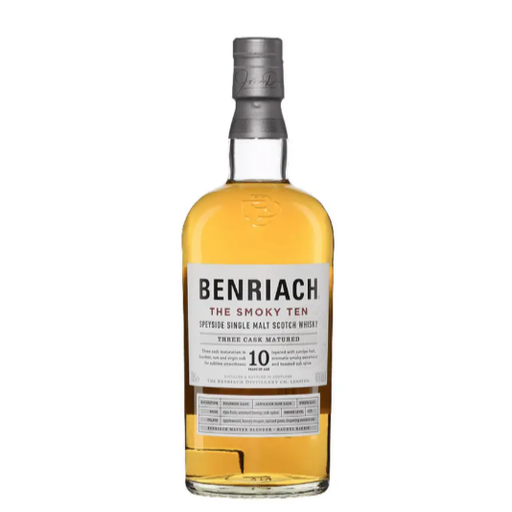
Why this choice suits this profile : Its maturation in three types of cask and smoky character are ideal for palates looking for a more distinctive whisky.
The product details specify the strength of 46 %, the age of 10 years, as well as information about filtration and colouring. This makes it easier to compare bottles on more objective grounds.
Advertised notes of ripe fruit, smoke and toasted oak. A 70 cl format and a strength above 40 % vol.
Store your bottle upright, in a dry, cool place away from direct light. The cork should remain clean and properly sealed. Once opened, the bottle may change when exposed to air; reseal it after each tasting and keep it away from sources of heat.
When comparing several bottles, start with the gentlest profiles before moving on to smoky or heavily peated whiskies. Adding a little water can also help bring out fruity, oaky and spicy notes without masking the character of the spirit.
A 40 % vol. blend, such as Ballantine’s Finest or Grant’s, is generally an approachable introduction thanks to its balanced profile. Beginners who want to discover single malt can opt for a Speyside whisky with fruity or honeyed notes, such as Tamnavulin Double Cask.
There is no universal timeframe. Storage depends in particular on how much remains in the bottle, the quality of the seal and the storage conditions. A nearly full bottle that is well sealed and kept away from light will generally change more slowly than a bottle containing only a small amount of whisky.
For a versatile gift, a 70 cl bottle will suit a whisky lover who already knows their preferences. For a more original presentation, the Clubhouse set and its four 5 cl miniatures are particularly suited to golf enthusiasts. For a connoisseur, it is best to check whether they enjoy sherry or bourbon casks, or peated whisky, before making your choice.