
Livraison le jour même ou le lendemain

Qualité garantie

Débloquez vos offres de bienvenue: Livraison GRATUITE | Jusqu'à -80 % | 30 jours d'essai gratuits à JoyPlus
Téléchargez l'application
The back-to-school shopping rush is a timeless late-summer ritual. Between the endless school supply list and the jungle of online stationery stores, it's easy to get lost. The goal: to find supplies that will last the entire year, without falling for the trap of false bargains.
Before you check out, here are the most common pitfalls to avoid:
To put together a pencil case and school bag that will survive the school year, focus on a few objective technical specifications. These are the true indicators of quality.
Expressed in grams per square metre (g/m?), paper weight determines the paper's thickness and opacity. It's a non-negotiable criterion.
A4 sheets or entry-level notepads. Sufficient for a pencil or ballpoint pen, but ink from felt-tips or fountain pens is likely to bleed through.sketchbook or revision cards, like those in the Linicolor range from Clairefontaine, rely on thicker paper (up to 170 g/m?) to handle felt-tips, markers, and even light wet media.The way the pages are bound directly affects the notebook's durability and practicality.
Rhodia notepad is a prime example of this type.planners or journals, it combines great durability with a perfectly flat opening.In terms of size, 24 x 32 cm remains the quintessential large school format, while A4 (21 x 29.7 cm) is the standard for single sheets and binders.
The ruling is the grid printed on the page. In France, Seyès ruling (or "grands carreaux") is the absolute standard from primary to secondary school to guide handwriting. 5x5 mm graph paper is often preferred for science subjects, while lined or blank pages are perfect for freeform note-taking or drawing.
Here are a few products that caught our eye, chosen for their relevance and for meeting our criteria for quality and durability.
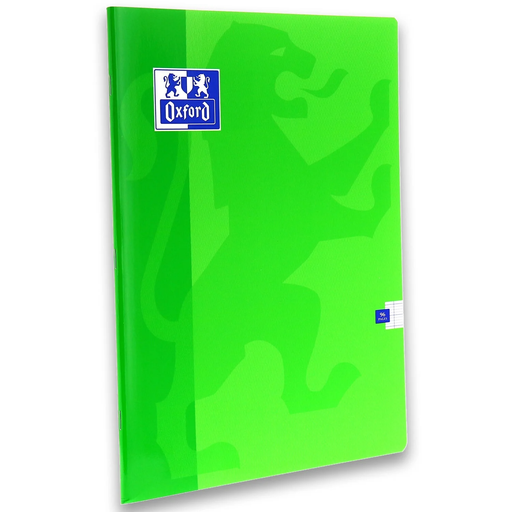
Why we recommend it: This is a staple on school supply lists. Its 24x32 cm size, Seyès ruling, and laminated card cover make it the ideal, durable tool for daily use in middle and high school.
It avoids the false economy trap. Its 90 g/m? Optik Paper prevents ink from bleeding through, and its sturdy cover withstands the rough and tumble of a school bag all year long.
The quality of the Optik Paper, which offers unparalleled writing comfort. The two-tone ruling is designed to improve readability and reduce eye strain.
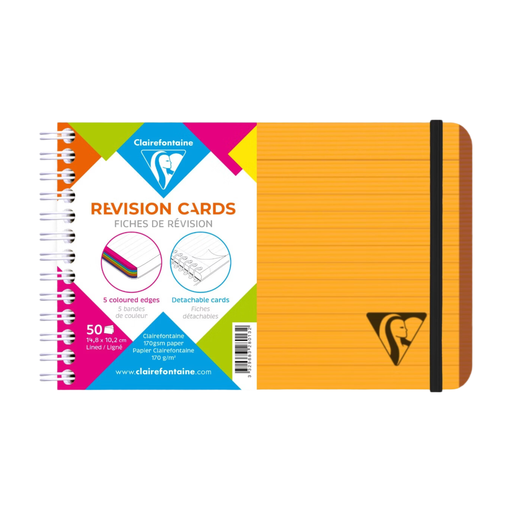
Why we recommend it: For exam revision, `revision cards` are a key tool. This compact notebook is specially designed for this purpose, with its detachable cards and ultra-thick paper.
It avoids the pitfall of paper that's too thin. Its 170 g/m? weight allows you to use highlighters and felt-tips without any fear of the ink bleeding through, ensuring your cards always look flawless.
Its case binding offers a 180° opening for maximum writing comfort. The 5 integrated coloured tabs simplify organisation by subject.
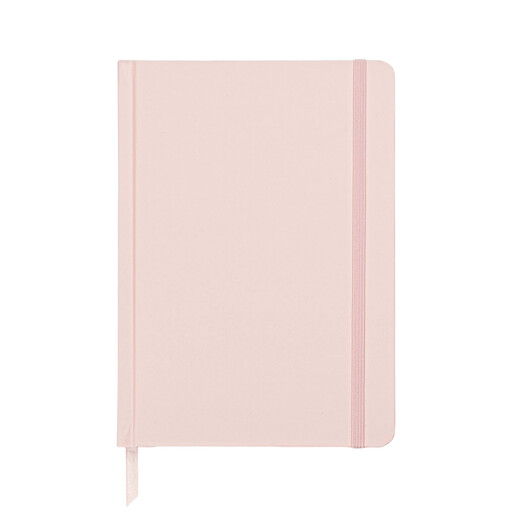
Why we recommend it: Perfect for students, professionals, or fans of "bullet journaling" who are seeking flexibility. An undated `planner` can be started at any time of the year and customised as desired.
It avoids the trap of the overly rigid "all-in-one" planner. Its undated 18-month structure offers maximum flexibility, without imposing a layout that might not suit your needs.
Its 100 g/m? paper and hardcover make it a beautiful, durable object that's a pleasure to use every day. The monthly and weekly views allow for pinpoint organisation.
We've put together a complete selection of products that meet our quality standards, from notebooks and planners to all the stationery essentials.
For comfortable writing with a fountain pen, a weight of 90 g/m? is the benchmark. This type of paper, like Clairefontaine's velvety vellum or Oxford's Optik Paper, is thick and smooth enough to prevent ink from bleeding through and to allow the nib to glide effortlessly.
Although similar, these two sizes have very distinct uses. The 24 x 32 cm is the traditional French school format, designed so you can paste in an A4 sheet (21 x 29.7 cm) without it sticking out. The A4 format, on the other hand, is the international standard used for loose-leaf A4 sheets, printouts, and most binders.
The choice depends on the age and the subject. Seyès ruling is the standard in France for learning to write. 5x5 mm graph paper is often required for maths and science in middle and high school. Lined pages are more versatile for note-taking, and blank (or plain) pages are for drawing. In any case, the definitive document is always the school supply list provided by the school.