
Livraison le jour même ou le lendemain

Qualité garantie

Débloquez vos offres de bienvenue: Livraison GRATUITE | Jusqu'à -80 % | 30 jours d'essai gratuits à JoyPlus
Téléchargez l'application
The back-to-school season is approaching, and with it, the annual marathon for school supplies. Between the endless lists and crowded aisles, it can all feel overwhelming. The goal: check off every item on the back-to-school list without picking the wrong format or breaking the bank. Yet, as we all know, some purchases can quickly turn into a disaster.
As a product expert at Joybuy, my mission is to help you see things more clearly. Let's forget the marketing hype and get practical. Here are the 3 classic mistakes to avoid when buying stationery online or in-store.
To make the right choice, you just need to master a few simple technical criteria that make all the difference.
Before you check out, a quick look at these three points will save your purchases from ending up in a drawer before the first school break.
Paper weight, measured in grams per square metre (gsm), indicates the paper's density. It's THE #1 criterion for optimal writing comfort and preventing ink from bleeding through.
The way the pages are bound (and whether they're detachable) completely defines how you can use your notebook or pad.
The ruling refers to the type of lines or grid on the page. The choice is often dictated by teachers, especially in secondary school.
To help you see how these criteria translate into real products, here are our recommendations, tailored for every type of user.
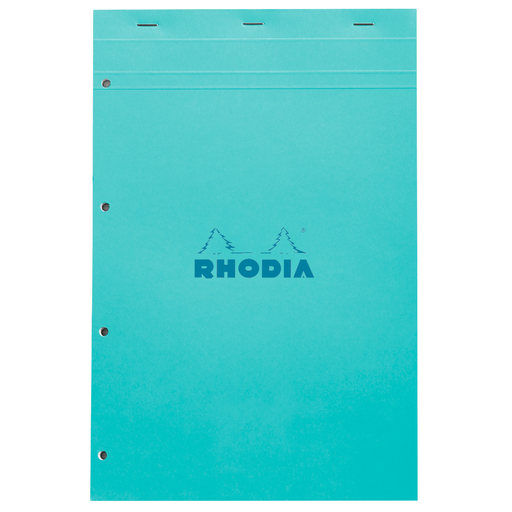
Why it's a great choice: Perfect for juggling multiple subjects. The 5x5 ruling is versatile, and the detachable sheets allow you to reorganise your notes by subject in a binder in a flash.
Its ultra-rigid cardboard back and robust spiral binding check the "durability" box. Its perforated sheets (4-hole) and micro-perforations solve the filing headache: tear it out cleanly, file it, and you're done.
Maximum versatility: note-taking, diagrams, filing... it does it all. The 80 gsm paper is an excellent compromise for intensive daily use.
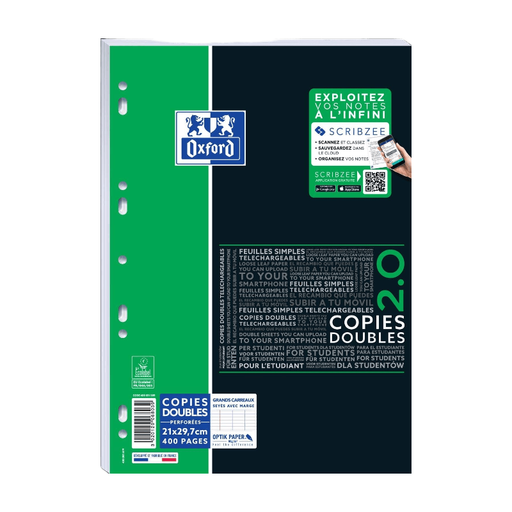
Why it's a great choice: For heavy paper users in lectures or meetings. This 400-page pack (200 double sheets) gives you peace of mind for the entire semester. The paper quality is designed for intensive use.
It directly tackles the problem of ink bleed-through. The Optik Paper 90 gsm quality from Oxford is a benchmark: ink doesn't feather or bleed, even with a fountain pen. The writing experience is perfectly smooth.
The tech advantage: compatibility with the free SCRIBZEE app. Scan your pages with your smartphone to save, organise in the cloud, and share them. A game-changer for studying or group work.
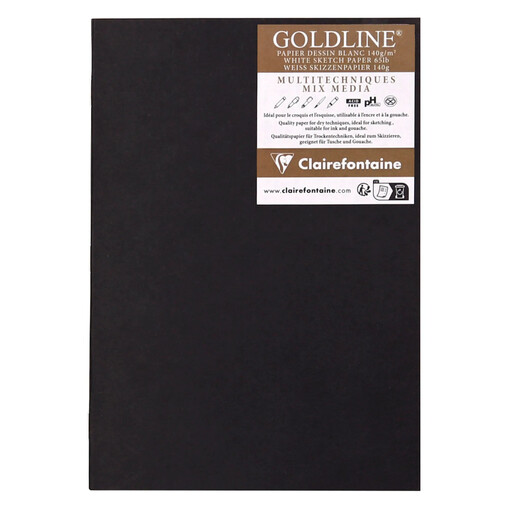
Why it's a great choice: Essential for art class or for drawing enthusiasts. Its thick paper makes it a versatile medium, ideal for sketching as well as more advanced techniques.
Its heavyweight 140 gsm paper ends the nightmare of paper buckling at the slightest drop of water. It handles dry media (pencil, charcoal) without issue and even supports light watercolour or ink washes.
A true multi-media notebook. Its stitched binding allows it to open perfectly flat, a crucial detail for drawing across a two-page spread without obstruction.
Explore our full selection of products that meet our quality standards and school curriculum requirements.
Seyès ruling (French ruling) is the standard in the French school system, from primary to middle school. With its main and intermediate lines, it's designed to guide handwriting practice. The 5x5 mm grid ruling is more streamlined and versatile. It's preferred in high school and higher education, especially for science and math, where it makes it easy to create diagrams and graphs.
It all depends on your pens! For standard use with a ballpoint pen, 80 gsm is sufficient. If you're a fan of fountain pens, markers, or highlighters, upgrade to 90 gsm, like the paper in a Clairefontaine notebook, to ensure the ink won't bleed through. For durable revision cards or for drawing, aim for 120 gsm and up.
Yes, it's the ultimate in flexibility. An undated (or perpetual) planner like the Jubiluu A5 model is perfect if your academic year doesn't follow a traditional calendar, if your schedule is unpredictable, or if you want a 100% customisable tool. The advantage: no pages go to waste, even if you don't use it for several weeks.