Organisers planning quantities
If you’re expecting lots of visitors, the net weight can help you choose between one large bag and several smaller packs. Also think about how much storage space you’ll need and whether you might have leftovers.


For a school cake sale, choose the format based on how many portions you need and how you plan to offer the sweets. A large pack is a good fit if you’re expecting to serve lots of people, while an assortment offers more variety. In either case, keep the product packaging to hand so you can check the ingredients, allergens, date and storage instructions. You should also confirm the arrangements for selling with the organiser.
If you’re expecting lots of visitors, the net weight can help you choose between one large bag and several smaller packs. Also think about how much storage space you’ll need and whether you might have leftovers.
You’ll need to be able to find the ingredients, allergen information and storage instructions if a family has a question. Keep the label from the batch you bought somewhere visible and accessible throughout the sale.
An assortment lets you offer several types of sweets, but if you’re catering for a particular dietary preference, check the exact product. Ingredients and allergen information can vary between products from the same brand.
For a school sale, first decide how you’ll hand out the sweets, then choose the pack size. The priorities below group shoppers by their main needs.
| What matters | What to check | Shoppers concerned |
|---|---|---|
| Quantity and format | Net weight, the number of pieces if stated, and how many you’ll be able to hand out. | If I’m preparing a busy stall, I want enough sweets without being left with a half-used big bag at the end. Quantity would be the main priority for around 42% of shoppers. |
| Ingredients and storage | Allergens and precautionary ‘may contain’ statements on the batch label; the date and storage instructions. | When children and their families are choosing sweets, I need to be able to find the product information rather than rely on how it looks. Access to this information would come first for around 33% of shoppers. |
| Variety and preferences | The exact contents of the assortment and any statement relating to a dietary preference, if relevant. | If I want to offer several flavours or cater for a particular preference, I need to know what each product contains. Around 25% of shoppers would prioritise this variety or preference. |
For prepacked foods, the DGCCRF outlines information including ingredients, net quantity, date marking and nutrition declarations. Check the details for the product you actually buy, especially if you plan to open an assortment: the picture on the bag isn’t enough to tell families what’s inside.
Santé publique France explains that displaying the Nutri-Score is voluntary. If it isn’t shown, you still need to read the nutrition information.
When comparing prepacked sweets, check the nutritional values per 100 g as well as the ingredients list and allergen information. Treat the Nutri-Score as additional information if it appears on the product.
A large bag could leave you with sweets after the sale if you’ve overestimated how many you’ll need. A smaller pack may be easier to manage at a little stall.
Estimate how many portions you want to offer, then compare the net weight and, if stated, the number of pieces before you choose.
Ingredients vary between products. For example, Carrefour lists pork gelatine and wheat starch in its Pocket Carrefour Classic' assortment.
Check the label on the product you choose and keep it accessible. A ‘suitable for vegetarians’ statement on one product doesn’t mean it’s free from allergens either.
The storage conditions given for a product still matter while you’re transporting it and displaying it at the stall.
Check the packaging instructions and organise your stall so the batch information is close by. If you plan to open or portion out the sweets, confirm the arrangements with the school or association.
Two products illustrate different needs: Haribo describes Happy Box as a box of mixed sweets and says its resealable bag of Dragibus Original is suitable for vegetarians.
The Lutti range featured by Carrefour includes sharing sweets in fruity and tangy flavours.
Carrefour features, among other options, a 500 g Pocket assortment and a 2 kg bag assortment, making it easy to compare two quantities for handing out.
These options range from sharing bags to a box of lollipops. For a school sale, match the quantity to how you plan to hand them out, and check the label before offering the products.
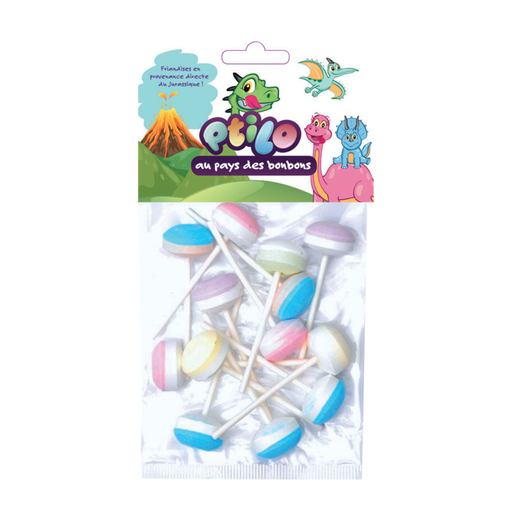 Image unavailable
Worth considering if you’re planning to hand out lollipops at the sale. The bag is listed as 110 g; bear in mind that the Christmas candy cane design may not suit an event held at another time of year. Check the allergens on the batch and how each lollipop is wrapped before planning to hand them out individually.
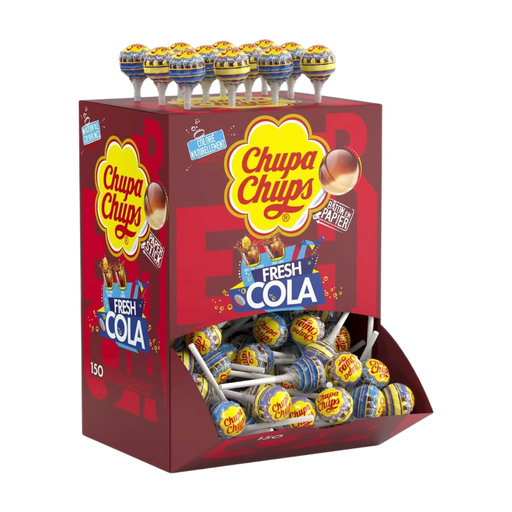 Image unavailable
The number of lollipops could help you plan for a busy sale. The box is listed as containing 150 pieces and weighing 1.8 kg, with cola and cola-lemon flavours. Before selling the lollipops individually, check that they’re individually wrapped and read the allergen information on the packaging.
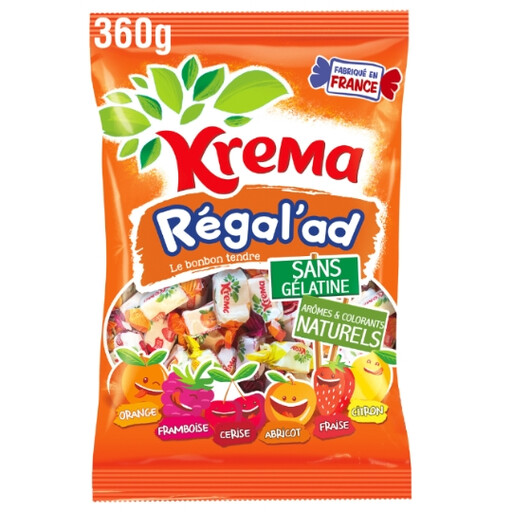 Image unavailable
This sharing bag could be a good option if you’re looking for a smaller quantity than a large box of sweets. It contains 360 g. If you’re choosing it for its range of flavours or because of a preference about ingredients, check the ingredients list and allergen information on the batch.
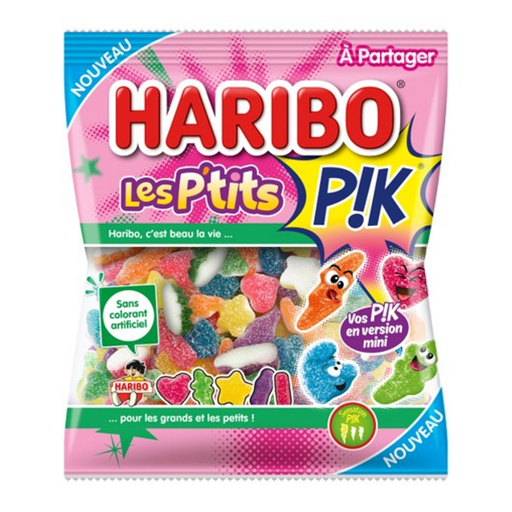 Image unavailable
The 180 g bag is worth considering for a stall offering a limited quantity of sharing sweets. Information for this product notes that it contains small pieces that may not be suitable for very young children. Keep the event’s audience in mind, and check the ingredients and allergen information on the batch.
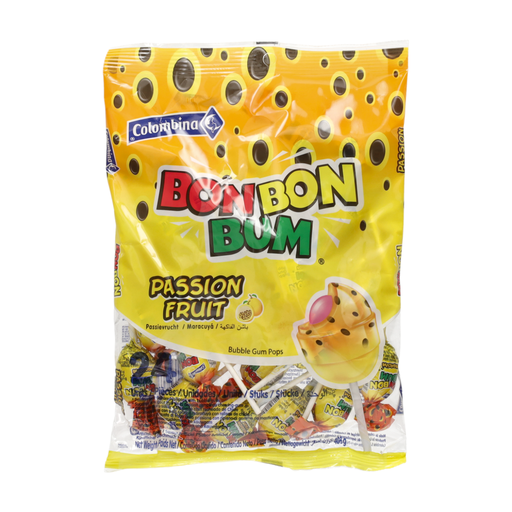 Image unavailable
This 408 g bag is worth considering if you’d like to offer lollipops to share. The name mentions passion fruit, while the description also refers to other flavours, so check the exact contents on the packaging. Remember to check the allergen information before the sale too.
No. Santé publique France says that producers display Nutri-Score voluntarily. It shouldn’t be confused with the nutrition declaration required for prepacked foods where applicable. If the logo isn’t shown, check the nutrition information, especially the values per 100 g.
Keep the packaging from the batch accessible so you can check the product name, ingredients, allergens, net quantity, date and storage instructions. The DGCCRF includes these among the details to check on prepacked foods. A readable label helps you answer questions about the product you’re actually offering.
If you’re thinking of opening or portioning out the sweets, first check the arrangements for the sale with the school or association, and make sure the batch information remains accessible. The French Ministry of National Education’s guidance for school events recommends choosing products that generally pose no particular risk and following their storage conditions. It doesn’t set a general rule requiring one particular way of handing them out in this case.
No. A vegetarian label doesn’t tell you by itself whether a product contains allergens or may contain traces of them. Haribo describes Dragibus Original as suitable for vegetarians, but for a sale, still check the batch label and the dietary needs families have shared with you.